


Otitis externa, more commonly referred to as swimmer’s ear, is one of the most frequent ear conditions treated by ear, nose, and throat specialists. It is an infection or inflammation of the ear canal, the narrow passage between the outside of the ear and the eardrum. While the condition is usually not life-threatening, it can cause considerable discomfort, pain, and disruption to daily life. Many people in Melbourne experience otitis externa at some point, particularly during summer months when swimming, surfing, and water sports are part of everyday activities.
The condition is particularly relevant for Melbourne families. Children attending swimming lessons, adults enjoying weekends at St Kilda beach, or athletes training in pools across Victoria may all develop otitis externa when water becomes trapped in the ear. For some, it can be a once-off episode, while for others it can become a recurring nuisance that requires expert intervention.
At Melbourne ENT in St Kilda East, patients benefit from the combined knowledge of Dr Stephen Kleid, an ENT and Head & Neck Surgeon with more than forty years of experience, and Dr Simon Braham, an ENT and Head & Neck Surgeon who trained in Melbourne, New York, and Boston. Together, they offer specialist diagnosis, treatment, and follow-up care to ensure patients overcome ear infections safely and with confidence.
Understanding Otitis Externa
Otitis externa occurs when the skin lining the ear canal becomes irritated and then infected. Normally, the canal is protected by a fine layer of earwax that helps repel water and bacteria. When this protective barrier is disrupted, bacteria or fungi can settle in the moist canal and multiply, leading to swelling, redness, and discomfort. The condition is called swimmer’s ear because immersion in water is one of the most common triggers. However, swimming is not the only risk factor. Even simple habits such as over-cleaning the ear canal or using cotton buds can increase the chance of infection.
It is important to recognise that otitis externa is not the same as a middle ear infection. Middle ear infections, medically referred to as otitis media, occur behind the eardrum and are often linked to colds or upper respiratory illnesses. Patients looking to understand how fluid buildup and pressure can be managed may benefit from learning more about Middle Ear Aeration Methods: How Can They Help? In contrast, otitis externa affects the outer ear canal and is more strongly associated with external triggers such as water exposure, trauma, or underlying skin problems. Understanding this difference is vital because the two conditions require very different treatments.
Anyone can develop swimmer’s ear, but it is especially common among swimmers, surfers, and children who spend long hours in water. In Melbourne, the risk is heightened by our beach culture and the popularity of swimming as both a sport and recreation. People with skin conditions such as eczema, psoriasis, or dermatitis are also more vulnerable because their ear canal lining is naturally more fragile. Individuals who wear hearing aids or earphones frequently may notice irritation that also predisposes them to infection. In some cases, anatomical factors such as narrow canals or bony growths known as exostoses make it easier for water and debris to become trapped, resulting in repeated infections.
Causes of Otitis Externa
The most common cause of otitis externa is prolonged moisture in the ear canal. When water becomes trapped after a swim in the bay or after a long shower, the skin swells slightly, creating the perfect warm and humid environment for bacteria and fungi to thrive. In Melbourne, where many families participate in regular swimming lessons and water sports, this is one of the main reasons patients present to Melbourne ENT with ear pain and blockage.
Mechanical irritation is another frequent cause. Cotton buds are a major culprit. While many people use them in an attempt to keep ears clean, they actually push wax further into the canal and scratch the delicate lining. Even minor trauma creates an entry point for bacteria. Earphones, earbuds, and hearing aids may also cause irritation if used for extended periods, trapping sweat or rubbing against the skin.
Underlying skin conditions are also significant. People with eczema or dermatitis often experience dryness and flaking in the ear canal, weakening the natural barrier that protects against infection. Similarly, allergic reactions to shampoos, soaps, or hair products can inflame the canal lining, leading to infection when combined with moisture or trauma.
Finally, anatomical variations play a role. Some people naturally have narrower canals or produce more wax, both of which increase the chance of blockage. Surfers, particularly those exposed to cold water over many years, may develop exostoses or surfer’s ear. These bony growths further narrow the canal, making recurrent otitis externa a frequent and frustrating problem.
Common Symptoms to Watch For
Otitis externa usually begins with itching or mild discomfort in the ear canal. As the infection progresses, the pain becomes sharper and more constant. Many patients describe it as a deep earache that is particularly intense when they chew food or when the outer ear is gently tugged. This characteristic pain, worse with movement of the outer ear, is a classic sign of swimmer’s ear.
Another common symptom is discharge. The fluid may be clear and watery at first but can quickly become cloudy, pus-like, or unpleasant smelling. Some patients notice discharge on their pillow in the morning or see fluid coming from the ear after swimming. The swelling and debris often block sound from entering the ear, leading to muffled hearing or a sensation of fullness.
Redness and swelling are common in and around the ear canal. The tragus, the small piece of cartilage in front of the canal, is often tender when pressed. In severe cases, the infection may spread to surrounding tissues, causing swelling in the jaw or enlarged lymph nodes in the neck. If fever develops or redness extends onto the face, urgent assessment is essential.
How Otitis Externa is Diagnosed
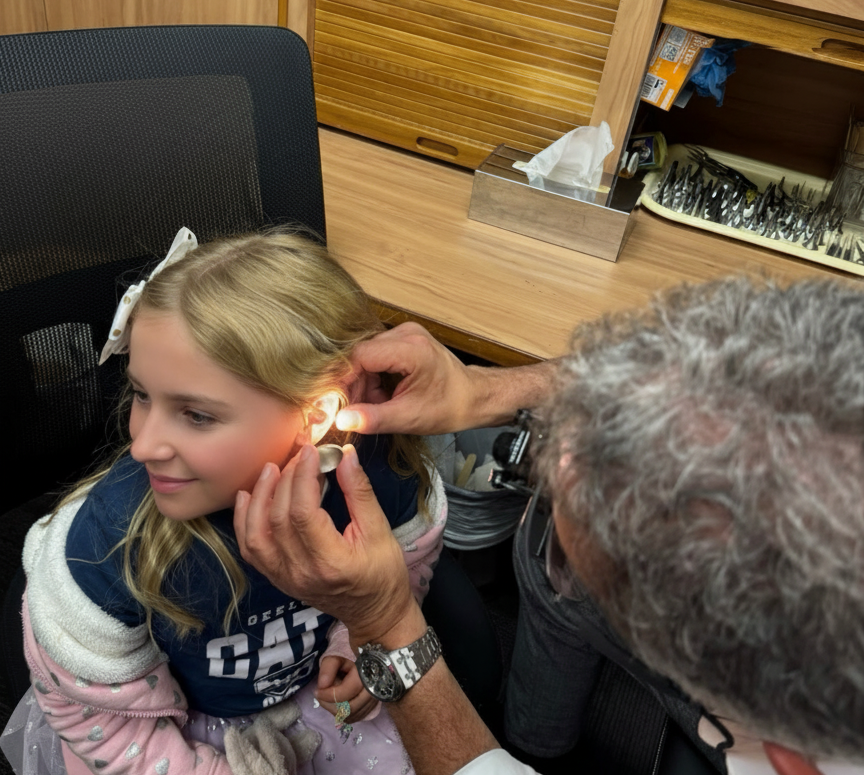
At Melbourne ENT, diagnosis begins with a detailed consultation. Dr Braham or Dr Kleid will take time to understand when symptoms began, whether the patient has recently been swimming, and whether there is a history of skin conditions or prior ear infections. This careful listening is part of the clinic’s patient-first approach, ensuring the full context is understood before examination begins.
The next step is a specialist examination using microscope-assisted otoscopy. This allows the surgeon to see the ear canal and eardrum in fine detail. In many cases, the canal will be blocked by wax, debris, or discharge. This is carefully removed using microsuction, a safe and gentle technique that provides immediate relief while allowing the surgeon to view the underlying structures clearly. If the infection has been recurrent or resistant to previous treatments, a swab may be taken to identify the exact bacteria or fungi involved so that the most effective drops can be prescribed.
Because both Dr Simon Braham and Dr Stephen Kleid are highly experienced ENT surgeons, they are able to distinguish otitis externa from other causes of ear pain, such as middle ear infections, temporomandibular joint disorders, or dental issues. This precise diagnosis ensures patients receive the correct treatment the first time and recover without unnecessary delays.
Treatment Options for Otitis Externa
The cornerstone of treatment for swimmer’s ear is the use of topical medications. Specialised ear drops containing antibiotics, antifungals, or steroids are prescribed depending on the findings of the examination. Antibiotic drops are usually chosen when bacteria are suspected, while antifungal drops are used when fungi are the culprit. Steroids are often added to reduce inflammation and itching, bringing faster relief.
Cleaning the ear canal is an essential part of treatment. At Melbourne ENT, this is performed using microsuction. Unlike syringing, which can sometimes push debris deeper or cause damage if the eardrum is perforated, microsuction is performed under direct vision with a microscope. Patients often feel relief immediately after the canal is cleared because the pressure is reduced and the drops are able to penetrate effectively.
In cases where the swelling is so severe that drops cannot penetrate, an ear wick may be inserted. This is a small, soft sponge placed into the canal that expands when drops are applied, helping deliver medication deeper inside. It also helps reduce swelling and usually falls out on its own or is removed at follow-up.
Pain relief is often required, particularly in the first few days. Over-the-counter medications such as paracetamol or ibuprofen can be helpful. Patients are advised to keep the ear dry while healing, which means avoiding swimming, wearing earplugs in the shower, and protecting the ear from further trauma.
Oral antibiotics are rarely necessary but may be used if the infection spreads beyond the canal or if the patient has underlying health issues such as diabetes or immune suppression.
Recovery and Healing Timeline
With the right treatment, most patients notice significant improvement within two to three days. Pain is usually the first symptom to ease, followed by reduction in swelling and discharge. By the end of a week, the majority of infections are well on the way to resolution. More complicated infections, such as fungal otitis externa, can take several weeks to clear and may require repeat cleaning and longer courses of drops.
At Melbourne ENT, follow-up appointments are encouraged to ensure that the infection has completely resolved. This is particularly important for children, where hearing loss caused by a blocked ear canal can interfere with learning and development if left untreated. The follow-up visit also allows the surgeons to provide advice on long-term prevention and safe ear care.
Preventing Future Infections
Prevention is an important part of managing otitis externa, especially for those who experience it frequently. Patients are encouraged to dry their ears thoroughly after swimming or showering. This can be done by tilting the head to each side, gently drying the outer ear with a towel, and, in some cases, using a hairdryer on a cool setting held at arm’s length to evaporate moisture.
For people who swim regularly, custom-fit ear plugs or swim caps can provide extra protection. These are particularly useful for children in swimming programs or adults who spend long hours in the pool. In some cases, preventive ear drops may be recommended, especially for patients who develop repeated infections.
Avoiding harmful habits is just as important. Cotton buds, hairpins, or any object inserted into the canal should be avoided. Not only do they risk damaging the skin, but they also interfere with the natural self-cleaning mechanism of the ear. Ear candling, which is sometimes promoted as a natural remedy, is strongly discouraged as it is ineffective and can cause burns or injuries.
Special Considerations for Children
Children are especially vulnerable to swimmer’s ear, partly because they spend so much time in water and partly because their ear canals are smaller and more easily blocked. Parents should look out for signs such as crying when the ear is touched, difficulty sleeping, or unusual discharge. Sometimes the only sign is a child tugging repeatedly at their ear or complaining of muffled hearing.
At Melbourne ENT, children are treated with extra care and reassurance. Dr Braham and Dr Kleid understand that ear pain can be distressing for both the child and the family. They use gentle microsuction techniques suitable for children, prescribe drops that are easy to administer, and take the time to explain the treatment plan to parents in detail. This compassionate approach helps children feel comfortable and ensures parents know what to expect during the recovery period.
Potential Complications
Most cases of otitis externa resolve quickly with appropriate care, but untreated or severe infections can lead to complications. Some patients develop chronic otitis externa, where inflammation and infections recur over months. This often requires a longer-term management plan, including strategies to reduce moisture and irritation.
Another possible complication is fungal otitis externa. This may occur after repeated use of antibiotic drops, which disturb the natural balance of the ear canal and allow fungi to thrive. Fungal infections can cause intense itching, thick discharge, and a longer recovery period.
The most serious, though rare, complication is necrotising or malignant otitis externa. This occurs when the infection spreads from the canal into the surrounding bone and tissue. It is most often seen in elderly patients with diabetes or people with weakened immune systems. Symptoms include severe pain at night, persistent discharge, and sometimes cranial nerve weakness. This condition requires urgent hospital treatment at facilities such as the Royal Victorian Eye & Ear Hospital or the Royal Melbourne Hospital.
Medicare and Costs for Treatment
In Australia, many aspects of ear care and ENT surgery are eligible for Medicare coverage, particularly when treatment is considered medically necessary rather than cosmetic. At Melbourne ENT, consultations and procedures such as ear microsuction, swab testing, and prescription ear drops can often attract a Medicare rebate when referred by a GP. Make sure the GP referral is very detailed because the detail can help in obtaining a medicare rebate. In some complex cases where surgery is required – for example, to remove bony growths in the ear canal (exostoses) or to manage severe or recurrent infections – Medicare may cover part of the surgical and hospital fees. Private health insurance, if held, can also help reduce out-of-pocket costs, especially for procedures performed at hospitals such as Masada Private Hospital or the Royal Victorian Eye & Ear Hospital. Patients are encouraged to discuss fees, rebates, and insurance options during their consultation so that they have a clear understanding of the financial aspects before treatment.
Why Choose Melbourne ENT?
Choosing the right specialist makes a significant difference in how quickly and effectively otitis externa is managed. At Melbourne ENT, patients are cared for by two highly experienced surgeons. Dr Simon Braham, an ENT and Head & Neck Surgeon, has trained in Melbourne, New York, and Boston and has a strong focus on nasal, sinus, and sleep surgery in addition to ear conditions. He currently holds appointments at Masada Private Hospital and the Royal Victorian Eye & Ear Hospital. Dr Stephen Kleid, also an ENT and Head & Neck Surgeon, brings more than four decades of surgical and diagnostic expertise, with a career that has included senior appointments at the Royal Melbourne Hospital.
Together, Dr Braham and Dr Kleid offer a collaborative, evidence-based practice. They are known for their meticulous diagnostic technique, clear communication, and commitment to patient safety and comfort. Patients across Melbourne trust Melbourne ENT for compassionate care and reliable results, not just for swimmer’s ear but for the full spectrum of ENT and head and neck surgery services.
Patient Journey at Melbourne ENT
A typical patient journey begins with a consultation at the St Kilda East rooms, where the surgeon takes time to listen to the patient’s history and concerns. The ear is then examined using specialist equipment, and if necessary, gentle microsuction is performed to remove blockages. A tailored treatment plan is created, which may include prescription drops, ear wick placement, or additional investigations.
Patients are scheduled for a review visit to confirm that the infection has resolved fully. During this appointment, advice on preventing recurrence is provided, and any underlying issues such as eczema, earwax buildup, or bony canal growths are addressed. For children, parents receive guidance on safe ear care practices and strategies for protecting the ears during swimming.
This structured journey ensures that patients not only recover quickly but also feel supported throughout the process. The emphasis on follow-up and prevention reflects Melbourne ENT’s philosophy of providing care that extends beyond the immediate problem to long-term health and wellbeing.
FAQs About Otitis Externa
Can otitis externa affect both ears at the same time?
Yes, it can, although it usually begins in one ear. If both ears are exposed to the same triggers such as frequent swimming or eczema, infections can occur on both sides.
Why does the pain get worse when I chew or touch my ear?
The skin of the ear canal and the cartilage of the outer ear are directly connected. When you chew or move the ear, it stretches the inflamed tissues, which makes the pain more noticeable.
Is it safe to use ear drops from a previous infection?
Old ear drops may not be effective and could even make things worse if the infection this time is different. Always check with your doctor before using any leftover medication.
Can swimmer’s ear cause long term hearing problems?
Most cases heal completely once treated, and hearing returns to normal. Long term problems are rare, but repeated infections or untreated severe cases can occasionally cause lasting changes to the ear canal or eardrum.
Why do some people keep getting swimmer’s ear while others never do?
Individual anatomy, skin type, and habits all play a role. People with narrow canals, eczema, or a history of cotton bud use are more likely to have recurrent infections.
Does flying make otitis externa worse?
The pressure changes during a flight mainly affect the middle ear, not the outer ear. However, if your canal is swollen and painful, the confined environment of flying may make the discomfort more noticeable.
Can otitis externa happen in winter when I am not swimming?
Yes, it can. Even without swimming, moisture from showers, sweating after exercise, or irritation from earbuds and hearing aids can trigger an infection at any time of year.
Sources:
- Acute Otitis Externa: Rapid Evidence Review – American Academy of Family Physicians
https://www.aafp.org/pubs/afp/issues/2023/0200/acute-otitis-externa.html - Necrotizing (Malignant) Otitis Externa – StatPearls – NCBI Bookshelf
https://www.ncbi.nlm.nih.gov/books/NBK556138/ - Expanding the diagnostic spectrum of malignant otitis externa – Frontiers in Medicine
https://www.frontiersin.org/journals/medicine/articles/10.3389/fmed.2025.1577525/full - Otitis externa – Symptoms, diagnosis and treatment – BMJ Best Practice
https://bestpractice.bmj.com/topics/en-gb/40 - Otitis Externa – StatPearls – NCBI Bookshelf
https://www.ncbi.nlm.nih.gov/books/NBK556055/ - Otitis Externa: Practice Essentials, Background, Anatomy – Medscape
https://emedicine.medscape.com/article/994550-overview - Epidemiology, risk factors and monitoring of acute otitis externa – International Journal of Community Medicine and Public Health
https://www.ijcmph.com/index.php/ijcmph/article/view/9120
Next Steps
If you or your child are experiencing ear pain, itching, or discharge, it is important not to ignore the symptoms. Swimmer’s ear is a common condition, but it requires the right care to resolve quickly and prevent complications. The expert team at Melbourne ENT is here to provide thorough diagnosis, gentle treatment, and ongoing support.
To arrange an appointment with Dr Stephen Kleid or Dr Simon Braham at Melbourne ENT in St Kilda East, simply browse through the website to learn more and take the first step towards clear, comfortable, and healthy ears.
Book a consultation with:
Dr Stephen Kleid – ENT and Head & Neck Surgeon
Phone: (03) 9038 1630 · Contact Page
Dr Simon Braham – ENT Surgeon
Phone: (03) 9038 1311 · Contact Page
Further Reading
- Read more about Ear Concerns
- Read more about Ear Ache
- Read more about Ear Concerns In Children Melbourne
- What Is Swimmer’s Ear? PDF Resources
- How to Use Hydrogen Peroxide Ear Drops