

Frequently Asked Questions (FAQs) about ENT Surgery

1. FAQs about Booking your Consultation
How do I book an appointment with a Surgeon?
You can book an appointment by calling our rooms directly at Masada Private Hospital or by asking your GP to send a medical referral. Once we receive your referral, our team will contact you to schedule a suitable time.
For an appointment with Dr Stephen Kleid call (03) 9038-1630 or Dr Simon Braham call (03) 9038–1311
How much is an ENT Consultation with Dr Simon Braham?
A standard ENT Consultation with Dr Simon Braham is $230 (Less for Pensioners) and you may claim a Medicare rebate of $86.15. See Dr Braham’s Pricing Page.
How much is a Nose Surgery Consultation with Dr Stephen Kleid?
An extended consultation for nose surgery with Dr. Kleid usually lasts around 1 to 1.5 hours and includes a nasoendoscopy examination inside your nose.
The fee for this thorough consultation is $600, and you may be eligible for a Medicare rebate of $175. Payment for the consultation is required when booking the appointment and can be made by credit card.
Do I need a referral from my GP or another specialist?
Yes — a valid referral from a GP or specialist is required so that you can claim a Medicare rebate (you may get about a third of your fee paid by Medicare).
This also helps ensure the doctor receives relevant medical history and test results in advance. A valid Medical Referral is also required for any Cosmetic Surgery procedures.
Can I make an appointment without a referral if I’m seeking cosmetic surgery?
NO – if you’re seeking cosmetic surgery (such as rhinoplasty for aesthetic reasons only), you may contact us directly to discuss booking a private consultation. However, in line with Australian AHPRA guidelines, a valid medical referral is compulsory for a comprehensive consultation assessment and we must allow a 7-day cooling-off period before surgery decisions are made.
How long is the wait for a consultation?
Consultation wait times vary based on the urgency of your condition and the doctor’s schedule. We can usually see patients within a couple of weeks, but will “squeze in” urgent requests, infections, tumours etc.
For urgent ENT issues or paediatric concerns, we aim to accommodate you as soon as possible. Routine appointments may have a wait time of a couple ofl weeks.
Note: We recommend calling our reception to check current availability.
Are virtual or phone consultations available?
Yes — Telehealth or Video-consultations appointments may be offered in certain cases, especially for follow-ups or if you’re located regionally. Initial assessments and surgical planning usually require an in-person visit for examination.
Please speak to our reception team to see if you’re eligible for a virtual consultation. The cost will be the same as an in-person consultation and is eligible for a medicare rebate, but you still need a referral.
Can I bring a friend or family member to my consultation?
Yes — you’re welcome to bring a support person. Having a trusted friend or family member with you can be helpful for taking notes, asking questions, or simply offering reassurance during your appointment.
2. FAQS about your ENT Consultation
Where can I Park near the Masada Consulting Suites – Melbourne ENT East St.Kilda Clinic?
There is free carparking available at Masada Hospital and plenty of free parking in the streets nearby.
Where is the Melbourne ENT Practice located inside Masada Hospital?
The clinic is located on the first floor. You can walk in through the main entrance, past a small cafe, then turn left and go up the elevator. When you exit the elevator on the first floor, turn right and walk to the end of the corridor.
What information should I bring to my appointment?
Please bring:
- Your GP or specialist referral letter
- Medicare card and private health insurance details
- Any recent scan results (CT, MRI, X-rays), hearing tests, or allergy reports
- A list of current medications and medical history
- A list of symptoms or concerns you’d like to discuss
Do I need any scans, hearing tests, or allergy assessments before surgery?
It depends on your condition. For issues involving sinuses, hearing, or airway, the doctor may request a CT scan, audiology report, or allergy assessment. This will be discussed/ arranged after your initial consultation if not already completed. Oftentimes, the secretary will recommend having scans, ultrasounds, even needle biopsies in the week or so before you meet the doctor.
What happens during my initial ENT consultation?
During your first visit, the surgeon will:
- Review your medical history and referral
- Discuss your symptoms and concerns
- Perform a physical examination (which may include looking inside the nose, ears, or throat)
- Probably perform an nasendoscopy during the consultation (looking inside your nose and throat with a 3mm soft plastic tube and camera.
- Recommend further tests if needed
- Outline possible treatment or surgical options
- NOTE – There is an Audiologist colocated on site at Masada Hospital to perform Audiology tests (please enquire about availability on selected days)
- This is your time to ask questions and understand your options clearly, but you can always call back (or email) later with more questions.
How long does the consultation usually take?
Most initial ENT consultations take around 10 to 20 minutes (up to 1 hour for cosmetic consultations), depending on the complexity of your concerns. You may need longer if additional assessments or discussions are required, especially for surgical planning of major surgery like a Rhinoplasty.
Can I ask questions or bring photos for reference?
Absolutely — we encourage you to ask questions and bring along photos or examples to help explain your goals, especially for cosmetic procedures. Clear communication ensures your surgeon understands your expectations.
3. FAQs about Surgery Costs & Payment
Is the consultation fee redeemable against the surgery fee?
No — the consultation fee covers your time with the surgeon and is billed separately from any surgical fees. It is not deducted from the cost of surgery.
What is included in the surgery fee?
If you proceed to an operation, the surgical fee generally includes:
- The surgeon’s fee
- Preoperative planning and post-operative care
- It does not include the hospital stay, anaesthetist, or any pathology tests or implants/ devices needed – some of those fees will be partially or totally covered by Medicare, and Private health Insurance (if you have it, and depending on the type of insurance you have).
Do you provide a written quote after consultation?
Yes — if major surgery is recommended, you’ll receive a formal itemised quote outlining all anticipated fees, including Medicare item numbers if applicable. This quote helps you check your private health insurance cover.
For patients of Dr Braham, you will be given Medicare item numbers to check if you are covered – if you have private health and are covered, you just the GAP
Are there any extra fees (hospital, anaesthetist, pathology,)?
Yes — in addition to the surgeon’s fee, there may be:
- Hospital theatre and bed fees
- Anaesthetist charges
- Pathology or radiology costs
- Audiology tests required
- Medication costs – These will be explained in your quote or discussed during your consultation.
Do you offer payment plans or medical financing?
We do not offer in-house payment plans, but you are welcome to arrange external medical financing through third-party providers. All fees must be paid in full prior to surgery unless otherwise arranged.
Please speak with our staff about options, as we can assist your application for Medical loans, or even provide info about accessing your Superannuation (if your condition fits in with Medicare and ATO guidelines).
Do you accept Medicare, DVA, TAC, NDIS, or private health insurance?
Yes — we work with Medicare and accept eligible DVA, TAC, and NDIS patients. Private health insurance may cover part or all of your hospital and theatre costs, depending on your level of cover.
Please bring your membership card and relevant paperwork to your consultation.
Can part of the surgery be claimed if it improves breathing or corrects trauma?
Yes — if your condition meets the clinical requirements under Medicare, you may be eligible to claim part of your procedure under an MBS item number. This often applies for surgery involving:
- Nasal obstruction
- Trauma or injury correction
- Septoplasty or Rhinoplasty
This must be assessed by the surgeon and supported by medical documentation or imaging.
Do I need to pay a deposit to secure a surgery date? If so, how much?
For Dr Kleid – A deposit is typically required to confirm your surgery date. The amount varies depending on the procedure and will be outlined in your quote. Please confirm the exact deposit with our administration team.
For Dr Braham – A deposit is not required but you will need to pay the GAP fee prior to surgery
When is the full payment due?
Full payment is usually required 7 to 14 days before your surgery. This ensures all arrangements with the hospital and surgical team are finalised in time.
What if I need to cancel or reschedule surgery?
We understand plans can change. If you need to cancel or move your surgery, please give as much notice as possible — ideally at least 2 weeks prior — to avoid any fees and allow your scheduled “timeslot” to be offered to another patient.
Do you charge a cancellation or no-show fee?
Yes — cancellation fees may apply for late changes or non-attendance. This covers administration time and lost theatre availability. Our staff will advise you of our policy when you book.
4. FAQs about Medicare Insurance and Rebates
Does Medicare cover any part of my ENT or nose surgery?
Yes — if your procedure meets the Medicare clinical criteria (such as chronic sinusitis, sleep apnoea, nasal obstruction, or ear conditions), a portion of your surgical fee may be claimable. You must have a valid referral, and the procedure must meet strict medical indications.
Cosmetic Rhinoplasty, when included with a Functional component (nasal obstruction, chronic sinusitis) can still be partly covered by Medicare and Private Health Insurance, if your condition is medically necessary and meets the strict Medicare criteria.
Which MBS item numbers could apply to my condition or surgery?
The MBS (Medicare Benefits Schedule) item numbers depend on your diagnosis and recommended treatment. Common examples include:
- 41671 – Septoplasty
- 41689 – Reduction of turbinates 41692 most commonly
- 41702 (or 41703) – Functional Endoscopic Sinus Surgery (FESS)
- 41695 – Rhinoplasty for post-trauma or obstruction
- 45641- for Rhinoplasty
- Your surgeon will determine the correct item numbers during your consultation and include them in your quote. Find out more about ENT Medicare Rebates
What does my private health insurance cover?
If you hold hospital cover and your surgery has a valid MBS item number, your private health insurance may cover:
- Theatre fees
- Hospital accommodation
- Some or all of the anaesthetist’s fee
You may still have an out-of-pocket gap depending on your policy. Contact your insurer with the item numbers provided in your quote for detailed advice. - Our secretaries will advise you, and arrange for the Hospital to do a “Fund check”
- Except for emergencies, you need to have had Private Health Insurance for 12 months from the date of onset of symptoms – there are very strict rules.
Will I get a rebate for rhinoplasty if it’s for breathing problems?
Probably — functional rhinoplasty for breathing impairment, nasal blockage, or trauma may be eligible for Medicare rebates and private health insurance coverage, provided medical criteria are met.
Can you help me with the health fund paperwork?
Yes — our team will supply a detailed surgical quote with item numbers for you to forward to your private health fund. We can also assist with relevant documentation if your insurer requires pre-approval.
Do I need pre-approval from my insurer before booking surgery?
Some health funds require pre-approval or a waiting period check before confirming cover for elective surgery. We recommend contacting your insurer with the item numbers from your quote to confirm your eligibility and minimise unexpected out-of-pocket costs.
- Except for emergencies, you need to have had Private Health Insurance for 12 months from the date of onset of symptoms – they are very strict rules.
5. FAQs about Recovery after Surgery Preparation & Recovery
Where will my surgery take place?
Most procedures are performed at Masada Private Hospital in St Kilda East. Your surgeon will confirm the location and details during your consultation.
Occasionally, surgery may be arranged at another accredited facility if required.
Is my surgery performed under general or local anaesthetic?
This depends on the type and complexity of your procedure.
- Major surgeries such as rhinoplasty or septoplasty are usually done under general anaesthetic
- Minor procedures, biopsies, or certain ear/nose treatments may use local anaesthetic with sedation
The anaesthetist will discuss this with you beforehand.
How long does ENT or nose surgery usually take?
Surgery time varies:
- Septoplasty/turbinate surgery, sinus surgery, snoring surgery: 30–60 minutes
- Rhinoplasty: 1.5–2.5 hours
- Revision or combined surgeries: Up to 3 hours
You’ll be advised of the expected time when your procedure is scheduled.
Will I need someone to drive me home?
Yes — if you’ve had sedation or general anaesthetic, you must arrange for someone to collect you and stay with you overnight. You cannot drive or take public transport alone after surgery.
What can I expect immediately after Nasal surgery?
You’ll be monitored in recovery, then transferred to a day ward or overnight bed.
- There may be mild bleeding, swelling, or stuffiness
- Nasal packing or splints are almost never required by Dr Kleid or Dr Braham
- Pain is usually mild to moderate and managed with medication
You’ll receive written instructions and follow-up appointments before discharge.
What can I expect immediately after Tonsil surgery?
You’ll be monitored in recovery, then usually transferred to a hospital bed for an overnight stay.
- There may be mild bleeding, swelling, or stuffiness
- Pain is usually mild to moderate and managed with medication
You’ll receive written instructions and follow-up appointments before discharge.
How long is the recovery period?
Recovery depends on the procedure, but many patients can work from home after a few days.
- Septoplasty or nasal airway surgery: 1–2 weeks off work
- Rhinoplasty: 2–3 weeks off work, with most swelling resolving in 4–6 weeks
- Minor ENT procedures: 3–5 days of rest
Full healing may take several months, especially for internal nasal swelling to settle. - Read our information about recovery after Nasal Surgery
Will I need time off work or school?
Yes — your surgeon will advise on how much time is recommended.
- Adults usually need 1–2 weeks off for nasal or sinus surgery
- Children may need a few days to a week off school
Medical certificates can be provided.
When can I exercise or fly after Nasal surgery?
- Avoid heavy exercise, bending, or straining for a few weeks
- For the first night – Keep your head elevated, ie your head above your heart to reduce swelling/bleeding.
- Sleep with your head elevated on 2 or 3 pillows for the first week can ease discomfort, but is not essential.
- Light walking is encouraged straight away
- Air travel should be avoided until advised by your surgeon, especially after sinus surgery.
Changes in pressure can affect your healing or cause discomfort.
What are the signs I should contact the doctor after surgery?
Seek prompt medical attention if you experience:
- Heavy or persistent bleeding – get to an emergency room and call the doctor on the way, or once they have stabilised you
- Severe or worsening pain
- Fever, chills, or signs of infection
- Difficulty breathing or facial swelling
You’ll also be given an after-hours contact number for urgent concerns.
When is my follow-up appointment?
Your first review is usually scheduled within 7–14 days after surgery.
During this visit, the surgeon will:
- Remove any splints or nasal dressings, “vacuum” out your nose
- Check your healing
- Answer your recovery questions
Additional follow-ups are booked as needed.
Can I use nasal sprays after Nose surgery?
- Nasal sprays should only be used as prescribed by your surgeon
Can I wear glasses after Nasal surgery?
- If you’ve had Nasal surgery like a Rhinoplasty or Septoplasty, avoid pressure from wearing glasses by using cheek supports or switching to contact lenses for 6 weeks
6. FAQS about Preparing for Surgery
How do I prepare for my surgery?
You will receive clear pre-operative instructions from our team, but general preparation includes:
- Fasting (no food) for 6 hours before surgery (or as directed by your anaesthetist) – Clear fluids only (water, black tea or coffee) until you arrive at the hospital.
- Stopping certain medications like blood thinners (as directed)
- Arranging for someone to drive you home and stay with you afterwards, for 24 hours.
- Avoiding smoking, vaping, alcohol, or taking herbal supplements prior to and after surgery – Tell your anaesthetist and ask your surgeon about these.
- Completing any requested scans or blood tests in advance
What pre-operative tests or forms do I need to complete?
You may be asked to complete:
- Routine blood tests or ECG (especially if you have underlying medical conditions)
- Imaging scans (CT or MRI) if not already done
- Sleep Tests may be required
- NOSE Score Assessments may be required for Nasal Obstruction
- Hospital admission forms and consent paperwork
Your surgeon or hospital will advise what’s required in your case.
Will I meet the anaesthetist before surgery?
Yes — the anaesthetist will usually meet you on the day of surgery before the procedure begins.
For complex cases or patients with medical conditions, a pre-anaesthetic consultation may be arranged in advance.
How do I prepare in the week before surgery?
- Follow any instructions about medications (you may need to stop blood thinners or herbal supplements)
- Arrange time off work or school
- Organise someone to take you home and stay with you
- Prepare your home for recovery – meal prep, comfy surroundings etc
- Avoid smoking or alcohol, as they may affect healing
Our team will provide a checklist to guide you.
What should I avoid before surgery (food, alcohol, medication, supplements)?
- Follow instructions from your surgeon and anaesthetist – Do not eat anything for 6 hours before your scheduled surgery time – clear fluids (water, black tea or coffee) are allowed until you arrive at the hospital.
- Stop blood thinners, anti-inflammatory drugs, and herbal supplements at least 7 days before (unless told otherwise)
- Do not smoke or vape before and after surgery as advised by your surgeon
- Always check with your GP or surgeon before changing and resuming medications.
How early should I arrive on the day of surgery?
The surgeon’s support team will advise your admission time a couple of days before surgery. It’s usually an hour before the predicted surgery time
This allows enough time for admission, nursing checks, and meeting the anaesthetist.
.
Do I need someone to drive me home after surgery?
Yes — you cannot drive yourself or take public transport alone after having sedation or general anaesthetic. You’ll need a responsible adult to drive you home and stay with you for at least 24 hours.
How long will I be in hospital or at the day surgery centre?
This depends on your procedure:
- Minor surgeries (e.g. grommets, biopsies): same-day discharge
- Tonsil Surgery – usually an overnight stay
- Moderate procedures (e.g. septoplasty, sinus surgery): usually same-day or overnight stay
- More complex procedures (e.g. rhinoplasty): overnight admission is often recommended
You’ll be informed in advance based on your surgical plan. Ask the team.
7. FAQs about Aftercare & Recovery after Surgery
How long is the recovery period?
Recovery time varies:
- Simple ENT procedures: 3–7 days
- Septoplasty or sinus surgery: around 1–2 weeks
- Rhinoplasty or combined surgery: 2–3 weeks, with gradual improvement over several months
Most patients can return to light activities after one week. Residual swelling and healing may continue for up to 12 months.
When can I return to work or school?
Most adults return to work in 7–14 days, depending on their role.
Children may return to school in 3–7 days, depending on the procedure.
Your surgeon will advise you based on your surgery and recovery.
You can work from home after a few days.
What post-operative care is provided?
You’ll receive:
- Written recovery instructions
- Any required prescriptions (e.g. pain relief, nasal spray, antibiotics)
- Access to post-op support from our team
Follow-up appointments will be arranged to check your healing.
Do I need follow-up appointments?
Yes — most patients have their first follow-up within 2-3 weeks.
Additional reviews may be scheduled at 4–6 weeks, or as needed to monitor healing and results.
What should I do if I have questions or complications?
If you experience unusual symptoms — such as bleeding, fever, severe pain, or difficulty breathing — contact the clinic immediately.
You’ll also be given an after-hours number for urgent concerns.
For general questions, our team is happy to assist during clinic hours.
Will I receive written recovery instructions?
Yes — you’ll be given printed or emailed instructions outlining:
- Wound care
- Medications and nasal sprays
- Activity restrictions
- Red Flag Signs to watch for and instructions on what to do
Keep this sheet handy during your recovery period.
When can I blow my nose or sneeze after Nasal Surgery?
- WARNING – Blowing your nose is NOT allowed until cleared by your surgeon. (Usually at least a week) – There is dissolving gel in your nose and blowing this out can delay your recovery and possibly cause bleeding.
- Sneezing: Sneeze with your mouth open to reduce nasal pressure
- Showering: Usually allowed the day after surgery unless told otherwise (Shower from the neck down, to keep dressings or Nasal casts dry)
When can I shower after Nasal Surgery?
- Showering: Usually allowed the day after surgery unless told otherwise (Shower from the neck down, to keep dressings or Nasal casts dry)
Do I need time off work or a medical certificate?
Yes — a medical certificate will be provided upon request.
Let our staff know how many days you anticipate needing off so we can assist accordingly.
Will I have dressings, splints, or sutures that need removal?
You may have:
- Internal or external nasal splints (usually removed at your first follow-up)
- Dissolvable sutures, which do not need removal
- If non-dissolvable sutures are used, they’ll be removed in clinic 5–7 days after surgery
Can I travel or fly after surgery?
Air travel should be avoided until advised by your surgeon, especially after sinus surgery.
Changes in pressure can affect your healing or cause discomfort. Ask the team.
8. FAQS about Patient Communication & Support
Who do I contact if I have concerns before or after surgery?
You can contact our clinic reception team for any non-urgent questions before or after your surgery.
If you have urgent concerns — such as bleeding, infection, or pain not controlled with medication — follow the after-hours instructions provided in your recovery pack, or seek medical attention at your nearest Emergency Department. The Hospital has a 24 hour emergency number, and can contact Drs Kleid and Braham.
Can I contact the surgeon directly if needed?
While our surgeons are not contactable directly by phone or email, urgent messages can be passed on by our reception or nursing team. The hospital will give you a 24-hour emergency number
You will be given clear instructions on what to do if you experience any complications, and we ensure all serious concerns are reviewed promptly.
Do you offer a dedicated patient liaison or surgical coordinator?
Yes — we have team members who assist with:
- Scheduling your surgery
- Answering pre-op and post-op questions
- Coordinating paperwork and quotes
They are your first point of contact for non-medical queries. If you need clinical advice, a message will be relayed to the surgeon or nurse for follow-up.
Do you provide a printed or digital copy of my surgical plan?
Yes — following your consultation, we provide:
- A written surgical quote and informed financial consent
- Relevant Medicare item numbers
- Pre-operative instructions
This may be provided in print or via email, depending on your preference. We also provide post-op care instructions at discharge.
9. FAQs about Surgical Revision & Follow-Up
What happens if I’m not happy with the results?
We aim to achieve results that meet realistic expectations and clinical goals.
If you have concerns after surgery, we encourage you to attend your follow-up appointments and discuss them with your surgeon. In many cases, swelling and healing take time, and the final outcome may not be visible immediately.
If revision surgery is considered appropriate, your options will be discussed openly and respectfully.
How long should I wait before assessing final cosmetic surgery results?
It typically takes:
- 3 to 6 months for internal healing to stabilise in sinus or septal surgery
Minor changes and swelling can persist during this period, so we advise patients to be patient and attend scheduled reviews to monitor progress. - 6 to 12 months to see final results from rhinoplasty or nasal reshaping
Is there a charge for revision surgery?
This depends on the reason and timing of the revision.
- If revision is required due to a complication or structural issue within a defined post-op period, there may be reduced or waived fees
- If revision is requested for cosmetic refinement after full healing, additional surgical or hospital fees may apply
Each case is assessed individually and transparently.
How often will I be reviewed after surgery?
Most patients are reviewed:
- 7–14 days after surgery (initial post-op review)
- At 3–6 months, especially after rhinoplasty or functional nasal surgery
Additional reviews can be scheduled if needed — we aim to support you throughout your recovery journey.
10. FAQS about COVID & Infection Control
What COVID-19 precautions are in place at your clinic and surgery centre?
We follow all current Victorian Department of Health and hospital infection control guidelines to keep patients, staff, and visitors safe.
Measures may include:
- Enhanced cleaning of consultation rooms and waiting areas
- Use of surgical masks by staff and patients when required
- Hand sanitiser stations throughout the clinic
- Screening questions before appointments
- Physical distancing in waiting rooms where possible
If you are feeling unwell or have cold or flu symptoms, please contact us to reschedule your appointment.
Do I need to take a COVID test before surgery?
Routine pre-operative COVID testing is no longer required for most patients.
However, testing may still be requested if:
- You have symptoms or recent exposure to COVID-19
The hospital or anaesthetist requires testing based on your procedure or health status
We will advise you of any testing requirements during your pre-surgery phone call or admission process.
11. General FAQs about ENT
What is ENT Surgery?
ENT surgery, also known as otolaryngology or head and neck surgery, is a medical specialty that focuses on diagnosing and treating conditions and diseases affecting the ear, nose, throat, and related structures. It includes a wide range of surgical procedures to address various ENT conditions.
What conditions can be treated with ENT surgery?
ENT surgery can be used to treat a variety of conditions, including chronic sinusitis, deviated septum, nasal polyps, tonsillitis, hearing loss, ear infections, voice disorders, sleep apnoea, thyroid nodules, head and neck tumors, and more. The specific treatment options depend on the individual condition and its severity.
How Much Will My Surgery Cost?

This is one of our most common FAQs.
Every patient is different with different needs. Therefore, the cost of surgery also differs.
We can offer you a price range for your chosen surgery. However, it will depend on the type of procedure, hospital and how long you want to stay in the hospital, it will also depend on several other factors.
After your initial consultation, you will receive a personalised quote, tailored to you and your chosen procedure. This will include a surgeon’s fee, anaesthetist fee, surgical assistant fee (if req) and hospital fees.
An approximate estimate for out-of-pocket expenses for your surgery can be provided over the phone when you call our team.
You can visit the ENT Surgery Prices Page or Dr Braham’s Fees Page for more details about fees and payment options. More information on the Fees and Payments page
What Can I Expect at My Initial Consultation?
At your First Consultation with a Melbourne ENT Surgeon you will typically:
- Have a physical examination
- See before and after photos from past patients
- Have photos taken – for your patient file
- Find out more about your surgical options
- Receive detailed information about your surgery/options
- Go through the possible risks and complications associated with your surgery
- Find out about surgery pricing and available dates
To book a consultation please contact the Melbourne ENT team.
Does Surgery hurt and How Much Pain Should I Expect?
Every surgical procedure has associated discomfort, and everyone is different in how they experience pain.
ENT Surgery Procedures do have a level of pain associated with them. However, pain should be well-managed by your surgeon and patient care team. It can be difficult to predict pain levels for each individual person as there are too many variables to consider. Pain is subjective to each patient based on their perception and sensitivity.
There are, however, several things that can be done by you and your surgical support team to help with the initial post-surgery recovery period. Read the Recovery After Nasal Surgery page
Further Reading
- Read more about Nose Surgery in Melbourne
- Read more about Cancer Surgery – Head & Neck
- Read more about Risks and Complications of ENT Surgery
Why Choose Dr Kleid ?
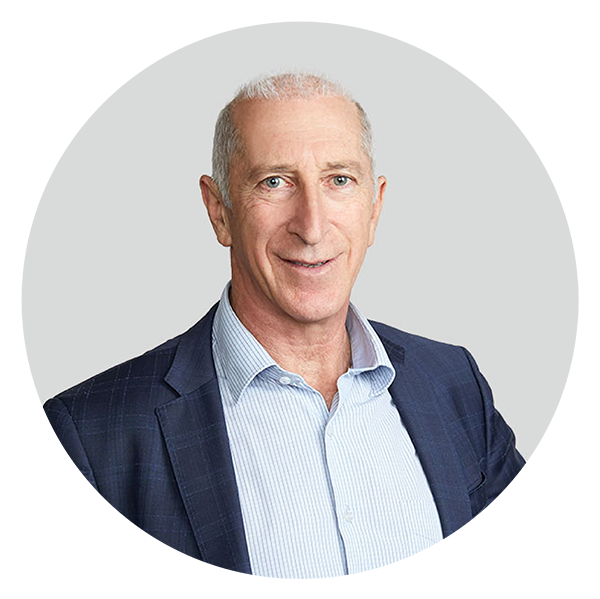
Dr Stephen Kleid,
Melbourne ENT Surgeon
MED0001052799
Dr Stephen Kleid is an experienced ENT Surgeon (Otolaryngologist) based in Melbourne with a passion for Septo-rhinoplasty, Septoplasty and a strong interest in Rhinoplasty Revision.
Qualifications
- AHPRA (Medical Board)
- MB, BS; FRACS (Fellow of the Royal Australasian College of Surgeons)
- AAFPS – Member of the Australasian Academy of Facial Plastic Surgery
- AAFPRS – (International Member of the American Academy of Facial Plastic and Reconstructive Surgeons)
Dr Kleid’s Procedures
Why Choose Dr Braham ?
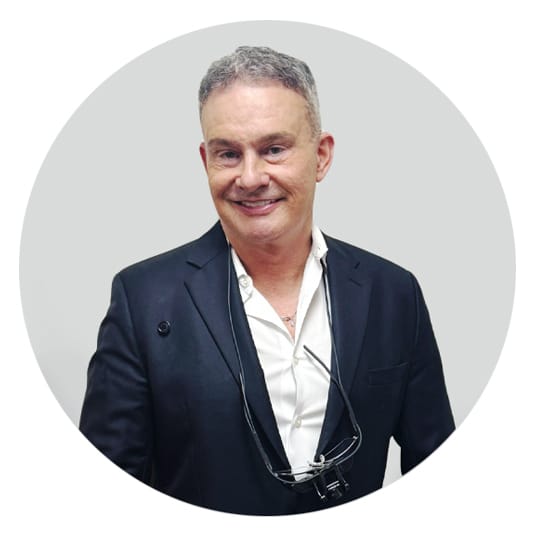
Dr Simon Braham,
Melbourne ENT Surgeon
MED0001144757
Dr Simon Braham MBBS (Hons) FRACS is an experienced Ear, Nose and Throat ENT Surgeon (Otolaryngologist) based in Melbourne, performing tonsil, grommet and sinus surgery for children & adults. He helps patients with breathing issues, snoring concerns and sleep disturbances.
Dr Braham’s Procedures
How can we help?
The Melbourne ENT Team takes pleasure in assisting you with any questions when considering a surgery procedure. Please call the St Kilda East clinic in Melbourne between 9am – 5 pm on Weekdays.
What Next?

Want more information about your Procedure?
- Please read our website and blogs to find out more about your procedure and concerns
- For more information about pricing and payment methods, please visit our page on Surgery Payment Options.
- Talk to our Patient Care Team from 9 am to 5 pm Monday to Friday

What to Bring to Your Consultation
- We encourage you to bring a friend or family member to accompany you, as they can provide an extra perspective and support throughout the process.
- It is important to take thorough notes and carefully review all the documents provided to you.

How to Book a Consultation
- A valid medical referral from your GP or Specialist is necessary to see a surgeon for a consultation.
- Check our pricing page
- Please contact us to book your consultation.