


Airway rhinoplasty, also referred to as functional rhinoplasty, is a highly specialised nasal surgery available at Melbourne ENT, located in St Kilda East, Victoria. This procedure is expertly performed by Dr Simon Braham and Dr Stephen Kleid, both are highly experienced ENT surgeons. At Melbourne ENT, our focus is on delivering exceptional care with an emphasis on restoring healthy nasal breathing rather than altering appearance. While some cosmetic improvements may occur as a secondary benefit, the primary focus remains medical and functional. This surgery helps patients overcome chronic nasal obstruction, breathing difficulties, airway restriction during exercise and sleep-related issues, contributing to a significantly improved quality of life and health benefits. Airway rhinoplasty is a critical intervention for those who have been suffering from long-term nasal obstruction and have found limited relief from non-surgical treatments such as nasal sprays, devices or allergy medications. We generally preform the airway rhinoplasty without the need for any packing, internal or external splint or sutures that need to be removed thus most patients are surprised by the lack of severe pain.
What is Airway Rhinoplasty?
Airway rhinoplasty is a functional nasal surgery aimed at correcting internal nasal abnormalities that obstruct airflow. These abnormalities may result from congenital issues, injury, prior surgeries, or progressive conditions. Unlike purely cosmetic rhinoplasty, airway rhinoplasty addresses structural issues within the nose that can have a profound impact on one’s ability to breathe comfortably. The procedure may involve techniques that are similar to those used in cosmetic rhinoplasty, but the intent is focused on restoring physiological function. This might include straightening a crooked nasal septum, shrinking or repositioning enlarged turbinates, reinforcing weak or collapsing nasal valves, and removing internal scarring or synechiae. In some patients, airway rhinoplasty is combined with cosmetic elements to achieve a dual benefit of function and form.
Who Needs It (Candidates for Airway Rhinoplasty)
Ideal candidates for airway rhinoplasty include individuals experiencing persistent nasal obstruction that limits their daily activities, causes disturbed sleep, or affects their ability to exercise. It is often sought by those who have difficulty breathing through one or both nostrils, especially at night or during physical exertion. People who snore or have been diagnosed with sleep apnoea may also benefit if their condition is related to anatomical narrowing within the nose. Those with a history of trauma to the nose, such as sports injuries or past nasal fractures, often develop structural changes that impair airflow over time. Furthermore, individuals who have undergone previous nasal surgeries but continue to struggle with breathing issues, or who use decongestants to feel relief, may find a lasting solution through airway rhinoplasty. Adolescents with congenital nasal obstructions or deviations that worsen with growth are also considered for surgery once facial development is sufficient.
Benefits of Airway Rhinoplasty
Patients who undergo airway rhinoplasty at Melbourne ENT often experience significant and lasting improvements in their breathing. Many report a newfound ability to breathe through their nose with ease during both rest and physical activity, which can transform their sleep quality and overall well-being. Breathing more efficiently allows for better oxygen exchange, which supports improved stamina and mental clarity throughout the day. Individuals who previously depended on nasal sprays often find they are no longer necessary. Snoring and symptoms of sleep apnoea, such as frequent nighttime awakenings or morning headaches, may be greatly reduced. Better sleep contributes to enhanced mood, energy levels, and most importantly cardiovascular and neurovascular health. Some patients may also notice subtle aesthetic changes that enhance facial harmony, particularly if internal reshaping slightly alters the nose’s outer profile, though this is not the primary objective.
Before and After Photos
While airway rhinoplasty is primarily aimed at functional improvement, some patients may experience visible changes to the nasal structure. These may be subtle refinements in the shape or angle of the nasal tip or bridge that occur as a natural result of internal corrections. At Melbourne ENT, we understand the importance of setting realistic expectations. For patients undergoing combined functional and cosmetic procedures, we provide access to carefully selected before-and-after photos during the consultation. These images offer a visual guide to potential outcomes and help support an informed decision. Due to patient privacy considerations, these photos are made available in a secure setting either in-clinic or via our patient portal upon request.
Consultation for Airway Rhinoplasty
At your initial appointment with Dr Simon Braham, you can expect a comprehensive and supportive evaluation tailored to your unique symptoms and anatomy. The consultation begins with an in-depth discussion about your nasal function, breathing difficulties, lifestyle impacts, and any past treatments or surgeries. A physical examination is performed both externally and internally, using specialised tools to assess the nasal framework and airway patency. As part of the consultation a nasal endoscopy is conducted to allow direct visualisation of internal structures such as the septum, turbinates, adenoids and nasal valves. In certain cases, imaging such as a CT scan may be recommended to better understand sinus anatomy or plan surgical steps. Dr Braham will explain the nature of your obstruction and walk you through the available treatment options. He takes the time to answer all your questions and ensures you are comfortable with the proposed plan, including what the surgery involves and what recovery will look like.
How is it Performed (Surgery for Airway Rhinoplasty)
Airway rhinoplasty is performed under general anaesthesia to ensure your comfort and safety. The procedure takes place in a fully accredited hospital setting, and its duration ranges from one to two hours depending on the specifics of your case. Dr Braham may employ several surgical techniques depending on the underlying causes of your nasal obstruction. Septoplasty is performed to straighten a deviated nasal septum, restoring symmetry and clearing the nasal passage. Cartilage grafting is often performed to strengthen the septum and support the nasal tip. Turbinoplasty involves reducing the size of swollen turbinates, which helps open space in the nasal airway. In cases of nasal valve collapse, grafts made from cartilage (often taken from your own nasal septum, ear, or rib) may be used to support the structure of the nasal valves. If scarring or adhesions are present, they may be carefully removed or reshaped. Dr Braham selects between an open or closed surgical approach depending on the visibility needed and the complexity of the repair. Most procedures are day surgeries, with patients returning home several hours later, although some may require overnight observation.
Recovery After Airway Rhinoplasty
Recovery from airway rhinoplasty is generally straightforward and manageable with good postoperative care. Because we don’t break the nose or use packing, splints or permanent sutures the pain and discomfort is usually surprisingly minimal. In the days following surgery, you may experience some nasal congestion, mild bruising, and swelling, particularly around the nose and under the eyes. This is a normal part of the healing process and usually begins to subside within the first week. Pain is typically mild and can be controlled with medication prescribed by the anesthetist. It is important to rest, avoid strenuous activity, and keep your head elevated to reduce swelling. You will be advised not to blow your nose for at least a couple of weeks. A special gel will be applied inside your nose that helps stop bleeding and avoids the need for packing, this dissolves in a few days. Gentle saline sprays help keep the nasal passages moist and aid healing. Generally all the sutures dissolve themselves and do not need to be removed Most patients are able to return to work or school quickly, although complete internal healing can take several weeks. As swelling reduces and the airway clears, patients begin to notice significant improvement in breathing and comfort, which continues to progress over time. It takes at least 3 months for the internal structures to completely heal, all the internal sutures to dissolve and the final breathing result to be apparent.
Risks and Complications of Airway Rhinoplasty
All surgical procedures carry some level of risk, and airway rhinoplasty is no exception. While complications are uncommon, it is important to be aware of potential issues. These may include postoperative bleeding, which is typically minor and resolves with conservative care, or infection, which is treated with antibiotics. Some patients may experience prolonged nasal dryness or crusting as tissues heal. Rarely, there may be persistent nasal blockage if healing does not proceed as expected, or if scarring reforms in key areas. Cosmetic changes are generally subtle, but in rare cases, they may be more noticeable or differ from patient expectations. Altered sensation, such as numbness around the nose or upper lip, can occur but usually resolves over time. In a small percentage of cases, revision surgery may be necessary to optimise the outcome. Dr Braham provides clear and thorough guidance on all potential risks and ensures patients are well-prepared before and after surgery. Melbourne ENT also provides a dedicated patient education guide on surgical risks, available upon request.
Cost of Airway Rhinoplasty
The cost of airway rhinoplasty is influenced by several factors, including the specific procedures performed, whether it is combined with cosmetic work, hospital and anaesthetic fees, and your insurance status. While Melbourne ENT does not publish specific prices online due to individual variation, patients receive a personalised quote during their consultation. This includes a clear breakdown of expected fees, as well as information on what may be covered by Medicare or private health insurance. We encourage you to visit our Costs page, which outlines general pricing principles and financing options. Our team is available to help navigate payment questions and ensure transparency throughout the process.
Medicare Coverage and Insurance
Airway rhinoplasty is eligible for rebates under Medicare and private health insurance, however we need to document breathing difficulties. Specific item numbers apply to procedures such as septoplasty (41671 or 41693), turbinoplasty (41692), and functional rhinoplasty (45641), and these must be supported by clinical evidence of obstruction. Melbourne ENT assists with all necessary documentation and you will need to check with your fund to ensure your policy covers the item numbers provided. Private health insurance may also contribute to the cost of hospital and anaesthesia services. We work closely with patients to ensure all billing is handled efficiently and with minimal stress.
FAQs About Airway Rhinoplasty
Can airway rhinoplasty help if my nasal obstruction changes throughout the day?
Yes, fluctuating nasal blockage that varies with position, temperature, or time of day can often be linked to structural issues inside the nose. Airway rhinoplasty targets the underlying anatomical causes, offering a more consistent and lasting improvement.
I breathe fine during the day but struggle at night. Is this still a candidate case for surgery?
Absolutely. Many patients notice worsened nasal obstruction when lying down, especially during sleep. Airway rhinoplasty can address these nighttime symptoms by correcting internal narrowing that may collapse more easily when horizontal.
Will fixing my nasal structure improve how I use CPAP for sleep apnoea?
Yes, airway rhinoplasty can enhance CPAP comfort and effectiveness by reducing resistance in the nasal passages, making it easier to tolerate therapy and potentially lowering required pressure settings.
What if I had previous nasal surgery and still have trouble breathing?
Revision functional nasal surgery is common. Dr Braham regularly sees patients who have undergone earlier procedures but still experience nasal blockage. A thorough assessment helps determine the causes and whether airway rhinoplasty could provide relief.
Can this surgery affect my sense of smell?
Temporary changes in smell are possible in the early healing period due to swelling or crusting, but most patients recover fully. In fact, for those with chronic blockage, improving airflow can sometimes enhance olfactory function long-term.
What happens if my nasal valve collapses only on one side?
Even one-sided nasal valve weakness can have a major impact on breathing. Airway rhinoplasty is tailored to the individual, and unilateral valve support can dramatically improve comfort and airflow.
Can airway rhinoplasty reduce my dependence on allergy medications?
While the surgery doesn’t cure allergies, it can significantly reduce your need for medications by opening the airway. Many patients find that symptoms become more manageable with improved nasal structure.
Medical References
- Clinical Progress and Postoperative Recovery of Rhinoplasty. MDPI Life. https://www.mdpi.com/journal/life/special_issues/4353DX2522
- Reduction Rhinoplasty Re-Endorsed: When Conservative and Measured. JPRAS Open / ScienceDirect. https://www.sciencedirect.com/science/article/pii/S2352587821000644
- Rhinoplasty. StatPearls / NCBI Bookshelf. https://www.ncbi.nlm.nih.gov/books/NBK558970/
- Comparison of Nasal Airways After Classical Structural Rhinoplasty and Dorsal Preservation Rhinoplasty. Otolaryngology–Head and Neck Surgery / SAGE Journals. https://journals.sagepub.com/doi/10.1177/01455613241295498
- A Qualitative Interview Study for a Nasal Airway Obstruction Study. PubMed. https://pubmed.ncbi.nlm.nih.gov/40484431/
- Clinical Findings and Alternative Structures for Nasal Reconstruction. Plastic and Reconstructive Surgery Global Open / LWW. https://journals.lww.com/prsgo/fulltext/2025/07000/secondary_rhinoplasty__clinical_findings_and.17.aspx
- Functional and Aesthetic Outcomes in Different Methods of Nasal Surgery. Annals of Allergy, Asthma & Immunology / LWW. https://journals.lww.com/aamj/fulltext/2025/01000/functional_and_aesthetic_outcomes_in_different.14.aspx
Why Choose Your Surgeon
Dr Simon Braham is a respected ENT surgeon whose reputation is built on clinical excellence, surgical precision, and genuine patient care. With over 30 years of specialist experience, Dr Braham has trained in some of the most prestigious institutions in the world, including advanced programs in nasal surgery in New York and Boston. His dual expertise in ENT and nasal structural surgery allows him to deliver nuanced care that balances form and function. Dr Braham is a Fellow of the Royal Australasian College of Surgeons and maintains public hospital roles at the Royal Victorian Eye and Ear Hospital and Kyneton Hospital. He is known for his honest advice, calm demeanour, and commitment to achieving the best possible results for every patient. At Melbourne ENT, you are cared for by a dedicated surgeon who listens, informs, and supports you every step of the way.
To book your airway rhinoplasty consultation, contact Melbourne ENT at (03) 9038 1311 or book online.
Further Reading
- Read about Melbourne ENT’s Surgery For Nasal Obstruction Melbourne
- Read about Melbourne ENT’s Surgery for Narrow Nostrils
- Read about Melbourne ENT’s Rhinoplasty Melbourne – Nose Reshaping Surgery
- Read about Melbourne ENT’s Nasal Valve Dysfunction Melbourne
Why Choose Dr Kleid ?
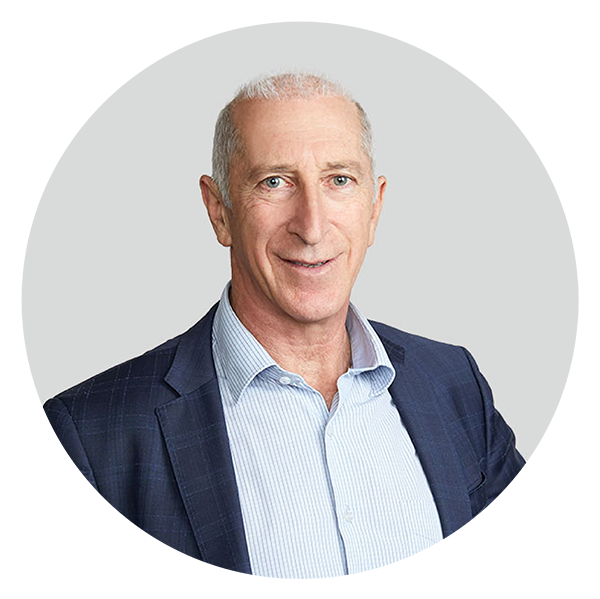
Dr Stephen Kleid,
Melbourne ENT Surgeon
MED0001052799
Dr Stephen Kleid is an experienced ENT Surgeon (Otolaryngologist) based in Melbourne with a passion for Septo-rhinoplasty, Septoplasty and a strong interest in Rhinoplasty Revision.
Qualifications
- AHPRA (Medical Board)
- MB, BS; FRACS (Fellow of the Royal Australasian College of Surgeons)
- AAFPS – Member of the Australasian Academy of Facial Plastic Surgery
- AAFPRS – (International Member of the American Academy of Facial Plastic and Reconstructive Surgeons)
Dr Kleid’s Procedures
Why Choose Dr Braham ?
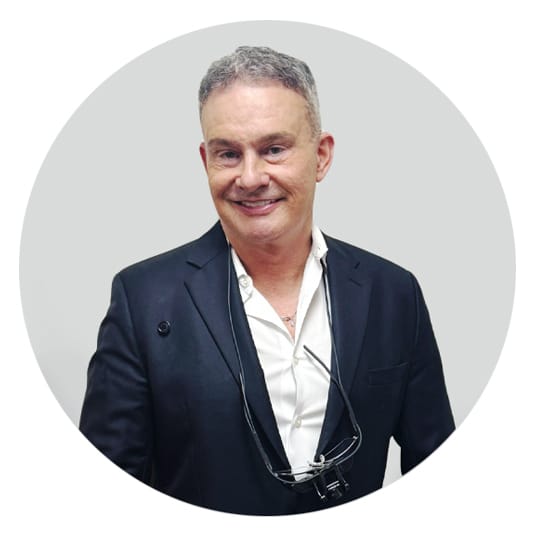
Dr Simon Braham,
Melbourne ENT Surgeon
MED0001144757
Dr Simon Braham MBBS (Hons) FRACS is an experienced Ear, Nose and Throat ENT Surgeon (Otolaryngologist) based in Melbourne, performing tonsil, grommet and sinus surgery for children & adults. He helps patients with breathing issues, snoring concerns and sleep disturbances.
Dr Braham’s Procedures
How can we help?
The Melbourne ENT Team takes pleasure in assisting you with any questions when considering a surgery procedure. Please call the St Kilda East clinic in Melbourne between 9am – 5 pm on Weekdays.
What Next?

Want more information about your Procedure?
- Please read our website and blogs to find out more about your procedure and concerns
- For more information about pricing and payment methods, please visit our page on Surgery Payment Options.
- Talk to our Patient Care Team from 9 am to 5 pm Monday to Friday

What to Bring to Your Consultation
- We encourage you to bring a friend or family member to accompany you, as they can provide an extra perspective and support throughout the process.
- It is important to take thorough notes and carefully review all the documents provided to you.

How to Book a Consultation
- A valid medical referral from your GP or Specialist is necessary to see a surgeon for a consultation.
- Check our pricing page
- Please contact us to book your consultation.