

Nostril sill reduction, also known as alar base reduction, is a precise cosmetic nasal procedure offered at Melbourne ENT, located in St Kilda East, Victoria. This surgery is designed to narrow wide or flared nostrils for improved nasal symmetry and a more refined facial profile. At Melbourne ENT, both Dr Stephen Kleid and Dr Simon Braham bring decades of ENT surgical experience, ensuring patients receive safe, individualised care with excellent aesthetic outcomes. While this procedure is primarily cosmetic, it can complement functional nasal surgeries when necessary, especially in cases involving nasal base reconstruction or significant asymmetry. Patients benefit from our surgeons’ commitment to natural-looking adjustments that respect individual ethnic features and facial harmony.
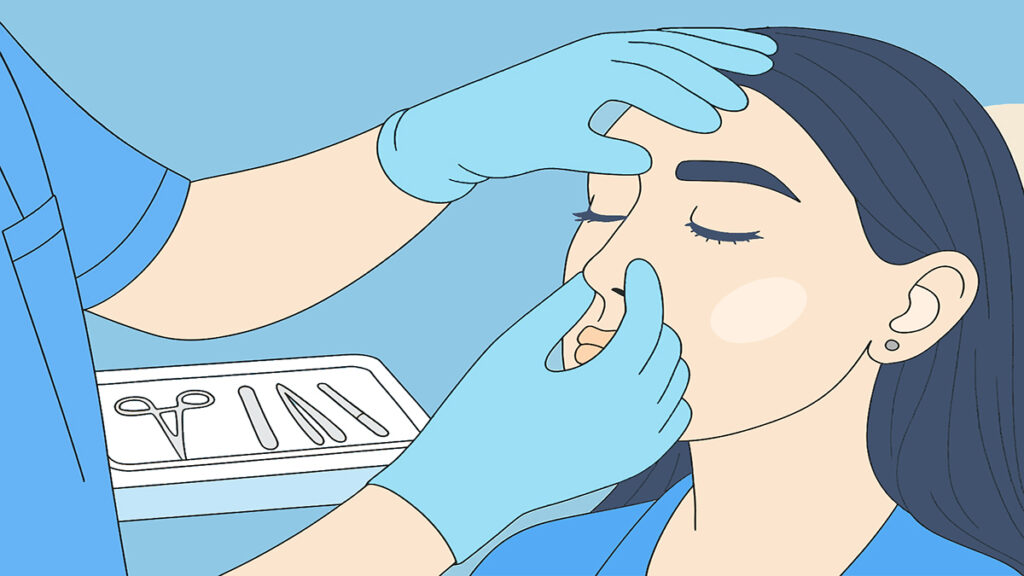
What is Nostril Sill Reduction?
Nostril sill reduction is a minor yet transformative surgical procedure that targets the base of the nostrils to improve the overall contour and proportion of the nose. By removing or repositioning soft tissue in the alar region (the outer sides of the nostrils), surgeons can reduce the width or flare of the nostrils. This subtle reshaping enhances facial harmony and can be performed as a standalone procedure or in combination with other nasal surgeries, such as rhinoplasty or septoplasty. It is especially popular among patients seeking ethnic refinement or correction after prior nasal surgery. By modifying the shape and contour of the nostril base, the overall nasal appearance becomes more delicate and proportionate to other facial features, often improving the frontal and oblique aesthetic views of the face.
Who Needs It (Candidates for Nostril Sill Reduction)
Ideal candidates for nostril sill reduction are those who have long been concerned with the width or prominence of their nostrils, particularly if these concerns have led to dissatisfaction with how they appear in photos or how their nose fits their overall facial structure. This procedure is particularly helpful for patients who find that their nostrils flare noticeably during smiling or expression, leading to self-consciousness in social settings. Additionally, individuals with congenital nasal asymmetries, post-traumatic deformities, or those who have undergone previous rhinoplasty and wish to refine the lower part of the nose may find this procedure to be the perfect complement to their aesthetic journey. Mental and emotional readiness, along with good physical health, also contribute to suitability for surgery.
Benefits of Nostril Sill Reduction
Nostril sill reduction offers multiple advantages beyond simple cosmetic refinement. By reducing the width and prominence of the nostrils, patients often experience a more cohesive and aesthetically pleasing nasal appearance that fits harmoniously with their facial proportions. This increased facial balance can lead to a boost in confidence, especially in social or professional situations where one’s appearance plays a significant role. For patients who have already undergone rhinoplasty, nostril sill reduction may serve as the final touch that completes the transformation. Scars from this procedure are virtually invisible when expertly placed in the natural creases of the nostrils, which helps maintain a natural appearance. Many patients appreciate the minimal downtime and the long-lasting impact the surgery has on their self-image.
Before and After Photos
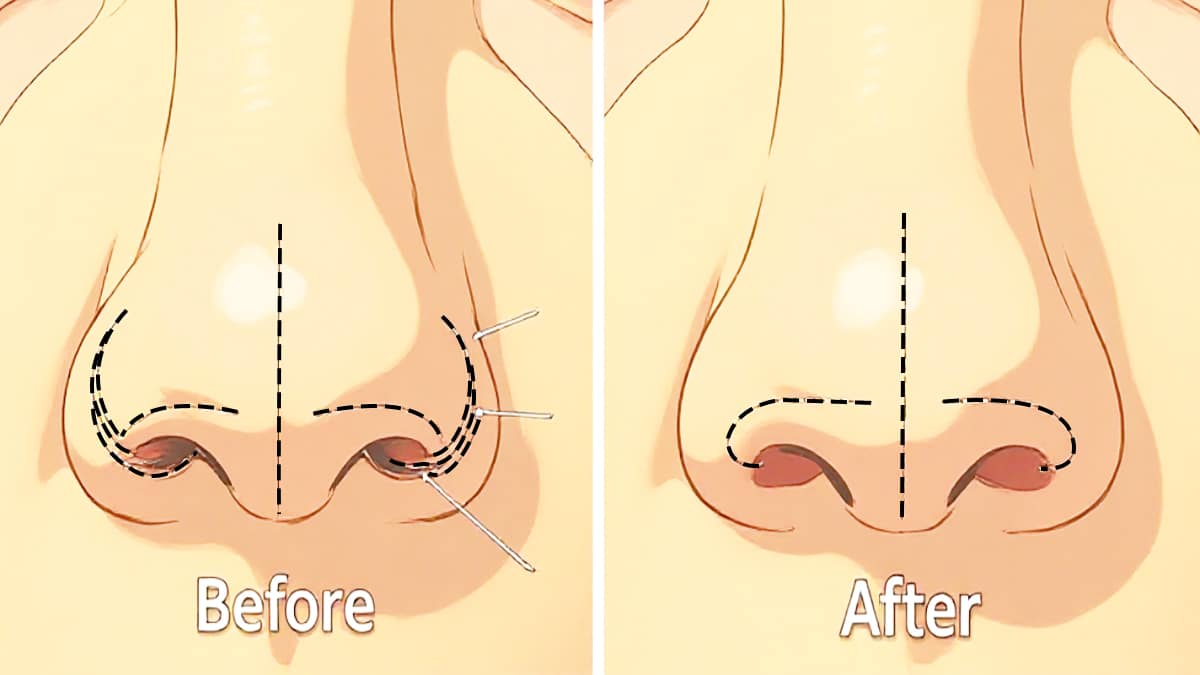
To view before and after images of nostril sill reduction performed at Melbourne ENT, please contact our team directly. These photographs showcase the refined results achieved through this specialised procedure and help patients visualise potential outcomes. All images are shared with patient consent and reflect a range of individual cases. Observing these images can help prospective patients better understand what is possible through surgery and can facilitate a more productive consultation by allowing them to express what they like or wish to avoid. This visual reference also reassures patients about the subtlety and effectiveness of the changes that can be achieved.
Consultation for Nostril Sill Reduction
Your journey begins with a personalised consultation at Melbourne ENT with either Dr Stephen Kleid or Dr Simon Braham. During this session, patients will have the opportunity to thoroughly discuss their goals, aesthetic preferences, and any concerns they may have about their nasal appearance. The surgeon will perform a physical examination of the nose and face, evaluating skin type, cartilage structure, and nasal symmetry. Clinical photographs will be taken and may be used to simulate potential outcomes. Patients are encouraged to bring reference photos or describe their aesthetic goals in detail. A thorough explanation of the surgical technique, recovery process, and expected results will be provided, along with an open discussion about any risks or limitations. This detailed and compassionate consultation process ensures patients are fully informed and comfortable moving forward with their treatment.
How is it Performed (Surgery for Nostril Sill Reduction)
Nostril sill reduction surgery is typically performed under local anaesthesia, with or without sedation. For patients undergoing the procedure in conjunction with rhinoplasty or other nasal surgeries, general anaesthesia may be used. The surgical steps include the precise marking of the nostril base while the patient is awake and upright to ensure accurate planning and natural positioning. Once in the operating theatre, small incisions are made at the base of the nostrils, usually within the alar crease where the nostrils meet the upper lip. A tailored portion of soft tissue is then excised or repositioned to reduce flare or width. The amount of tissue removed is meticulously calculated to maintain facial symmetry and avoid overcorrection. Once reshaping is complete, the incisions are closed with fine sutures designed to promote minimal scarring. The procedure typically takes 30 to 60 minutes when performed alone and can be longer if combined with other nasal procedures. It is conducted as a day procedure, allowing patients to return home shortly after surgery.
Recovery After Nostril Sill Reduction
Recovery is typically smooth and manageable, with most patients reporting only mild discomfort that can be easily controlled with prescribed or over-the-counter medications. Swelling and bruising around the nostrils may occur initially but generally subsides within the first week. Patients are advised to sleep with their head elevated and to avoid bending or heavy lifting during the initial recovery period to minimise swelling. Stitches are removed within the first week, and any residual swelling gradually fades over the following weeks. It is important to avoid touching or manipulating the nose during healing to ensure the results settle evenly. While early improvements can be seen within days, the final shape and definition become fully apparent within two to three months. Scars typically mature and fade over time, becoming almost undetectable. Most patients are able to resume work and social activities within 5 to 7 days, although strenuous exercise should be avoided for several weeks to prevent complications.
Risks and Complications of Nostril Sill Reduction
While nostril sill reduction is generally safe when performed by a qualified ENT surgeon, all surgical procedures carry potential risks. These include the possibility of infection, bleeding, delayed healing, and scarring. In rare cases, patients may experience uneven nostril shape or asymmetry, which could necessitate revision surgery. Some patients may notice temporary numbness or a change in sensation around the nostrils, although these symptoms usually resolve as healing progresses. Our team at Melbourne ENT takes every precaution to minimise these risks by employing meticulous surgical techniques and providing comprehensive pre- and post-operative care. Thorough discussions during the consultation phase help patients set realistic expectations and understand all aspects of the procedure. Detailed aftercare instructions are also provided to support healing and optimise results.
Cost of Nostril Sill Reduction
As nostril sill reduction is often classified as a cosmetic procedure, the cost can vary based on the complexity of the case and whether it is combined with other nasal surgeries. The extent of tissue adjustment, the presence of previous surgeries, and the use of sedation or general anaesthesia all influence pricing. Following your consultation, a personalised quote will be provided, including surgical fees, anaesthesia, facility charges, and any post-operative follow-up care. While this procedure represents an investment in personal confidence and appearance, patients consistently report high satisfaction with the outcome and value the natural enhancement achieved. For more general information on pricing structure, please contact our clinic directly.
Medicare Coverage and Insurance
Nostril sill reduction is typically not covered by Medicare or private health insurance, as it is usually performed for cosmetic reasons. However, in some instances where the surgery is part of a broader functional or reconstructive plan – such as correcting congenital deformities or post-traumatic injuries – there may be partial eligibility for rebates or insurance support. During your consultation, we will help determine whether your procedure qualifies for any benefits. Our administrative staff are experienced in navigating insurance processes and can provide detailed guidance tailored to your individual circumstances, ensuring you have all the information needed to make an informed decision.
FAQs About Nostril Sill Reduction
Will changing my nostrils affect how expressive my face looks when I smile or speak?
Many patients worry that altering the nostril base might reduce facial expressiveness. Fortunately, when performed precisely, the procedure retains natural muscle movement and preserves the dynamics of facial expressions.
Can nostril sill reduction make my nose look too small or ‘pinched’?
The goal is to maintain natural proportions. Our surgeons carefully assess your facial dimensions to avoid over-reduction and ensure the results blend seamlessly with your features.
How will the surgery affect my ability to breathe through my nose?
Nostril sill reduction typically does not impact nasal airflow. In fact, when combined with functional nasal procedures, it can sometimes improve breathing by supporting nostril structure.
I had a nose job years ago – is it too late for a nostril sill reduction?
It’s never too late for refinement. Secondary or revision nostril sill reduction can be safely performed even years after an initial rhinoplasty, depending on scar tissue and healing.
Will the surgery change the appearance of my nose from the side view?
This procedure mainly affects the frontal view, but subtle improvements to the profile may occur. During your consultation, these angles are reviewed in detail with photographs.
Will I feel self-conscious during healing if I’m in public?
Most swelling and bruising are mild and can be concealed with makeup once initial healing begins. Many patients resume light social activities within a few days.
I want to keep my ethnic identity – can that be preserved with this procedure?
Absolutely. Our surgeons are experienced in preserving and respecting ethnic characteristics while achieving refined, balanced enhancements tailored to your aesthetic goals.
Medical References
- Nasal sill augmentation: an overlooked concept in rhinoplasty—a novel technique and literature review. National Institutes of Health (PMC). https://pmc.ncbi.nlm.nih.gov/articles/PMC8131461/
- The Long-term Effects of Alar Base Reduction. Archives of Facial Plastic Surgery – Mary Ann Liebert, Inc. https://www.liebertpub.com/doi/10.1001/archfaci.7.2.94
- A Simplified Approach to Alar Base Reduction: A Review of 124 Patients Over 20 Years. Archives of Facial Plastic Surgery – Mary Ann Liebert, Inc. https://www.liebertpub.com/doi/10.1001/archfaci.7.2.81
- A Refined Technique for Management of Nasal Flaring: The Quest for Optimal Alar Base Reduction
National Institutes of Health (PMC). https://pmc.ncbi.nlm.nih.gov/articles/PMC5122555/ - Alar Soft-Tissue Techniques in Rhinoplasty. JAMA Network. https://jamanetwork.com/journals/FACI/articlepdf/222997/qoa90049_149_158.pdf
- Asymmetric Z-plasty for correction of iatrogenic nostril “Q” deformity. ScienceDirect (Elsevier).
https://www.sciencedirect.com/science/article/pii/S1015958424023741 - Y-V Alar Base Reduction: A New Technique for Narrowing the Alar Base. Sage Journals. https://journals.sagepub.com/doi/10.1177/014556131409300305
Ready to Refine Your Nose?
If you are considering nostril sill reduction, we invite you to book a consultation with Dr Stephen Kleid or Dr Simon Braham at Melbourne ENT. Our surgeons are dedicated to achieving natural-looking results with a patient-focused approach. Conveniently located in St Kilda East, Melbourne ENT offers a discreet, professional setting for all your ear, nose and throat surgery needs. With a reputation for excellence in both functional and aesthetic nasal surgery, we strive to deliver outcomes that are not only visually pleasing but also enhance overall well-being. Begin your journey with Melbourne ENT and take the next step toward achieving a natural, balanced appearance.
Contact Us
Dr Stephen Kleid: (03) 9038 1630
Dr Simon Braham: (03) 9038 1311
Further Reading
- Read about Melbourne ENT’s Procedure Nose Surgery Melbourne
- Read about Melbourne ENT’s Procedure Narrow Nostrils
- Read about Melbourne ENT’s Procedure Crooked Nose
- View Melbourne ENT’s Gallery Page on Alarplasty Before and After
Why Choose Dr Kleid ?

Dr Stephen Kleid,
Melbourne ENT Surgeon
MED0001052799
Dr Stephen Kleid is an experienced ENT Surgeon (Otolaryngologist) based in Melbourne with a passion for Septo-rhinoplasty, Septoplasty and a strong interest in Rhinoplasty Revision.
Qualifications
- AHPRA (Medical Board)
- MB, BS; FRACS (Fellow of the Royal Australasian College of Surgeons)
- AAFPS – Member of the Australasian Academy of Facial Plastic Surgery
- AAFPRS – (International Member of the American Academy of Facial Plastic and Reconstructive Surgeons)
Dr Kleid’s Procedures
Why Choose Dr Braham ?

Dr Simon Braham,
Melbourne ENT Surgeon
MED0001144757
Dr Simon Braham MBBS (Hons) FRACS is an experienced Ear, Nose and Throat ENT Surgeon (Otolaryngologist) based in Melbourne, performing tonsil, grommet and sinus surgery for children & adults. He helps patients with breathing issues, snoring concerns and sleep disturbances.
Dr Braham’s Procedures
How can we help?
The Melbourne ENT Team takes pleasure in assisting you with any questions when considering a surgery procedure. Please call the St Kilda East clinic in Melbourne between 9am – 5 pm on Weekdays.
What Next?

Want more information about your Procedure?
- Please read our website and blogs to find out more about your procedure and concerns
- For more information about pricing and payment methods, please visit our page on Surgery Payment Options.
- Talk to our Patient Care Team from 9 am to 5 pm Monday to Friday

What to Bring to Your Consultation
- We encourage you to bring a friend or family member to accompany you, as they can provide an extra perspective and support throughout the process.
- It is important to take thorough notes and carefully review all the documents provided to you.

How to Book a Consultation
- A valid medical referral from your GP or Specialist is necessary to see a surgeon for a consultation.
- Check our pricing page
- Please contact us to book your consultation.