

Treatment for Recurrent Nosebleeds
Dr Simon Braham – ENT Surgeon, Melbourne
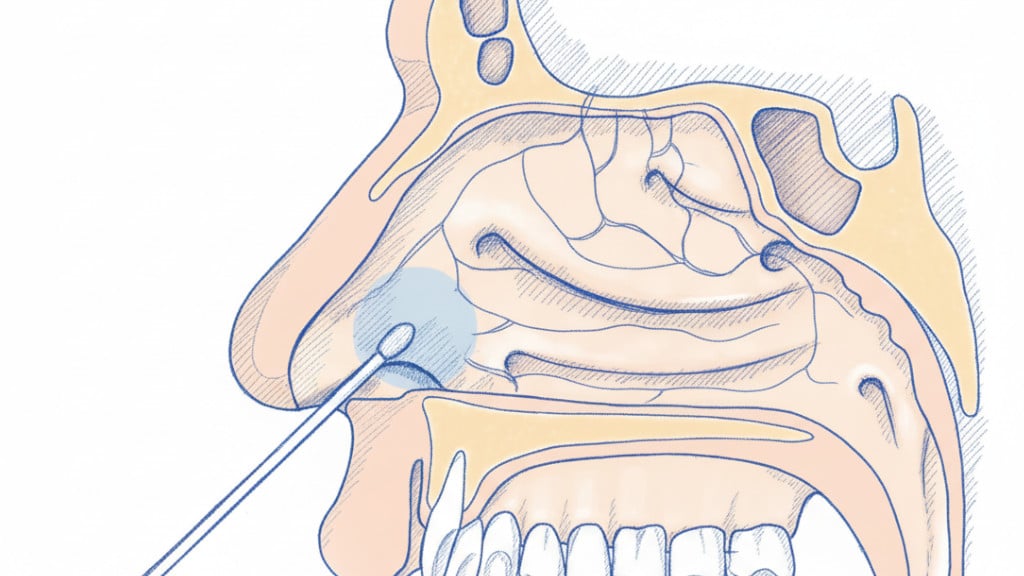
Nasal cautery is a simple and effective treatment for people who suffer from frequent nosebleeds. It is commonly performed by an ear, nose and throat (ENT) surgeon to seal small blood vessels inside the nose.
Most nosebleeds are mild and stop on their own. However, some people experience repeated nosebleeds that interfere with daily life. When this happens, nasal cautery may be recommended.
Dr Simon Braham is an experienced ENT surgeon in Melbourne who provides nasal cautery for both adults and children.
What Is Nasal Cautery?
Nasal cautery is a medical procedure used to stop nosebleeds by sealing a bleeding blood vessel inside the nose.
This is done by applying a controlled chemical or heat source to the vessel so it can heal.
Nasal cautery aims to:
- Stop ongoing nosebleeds
- Reduce how often nosebleeds happen
- Help the lining of the nose heal
The procedure is quick and usually performed in a clinic.
Why Do Nosebleeds Happen?
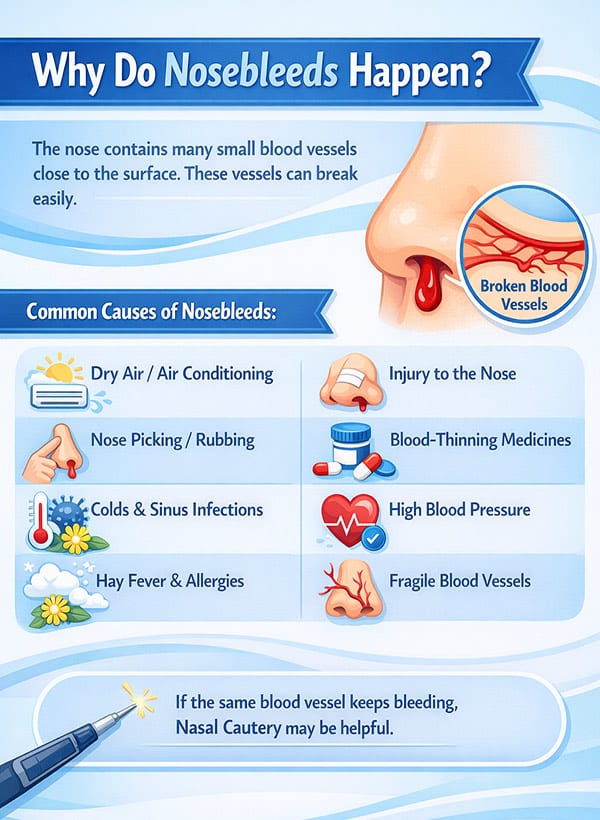
The nose contains many small blood vessels close to the surface. These vessels can break easily.
Common causes of nosebleeds include:
- Dry air or air conditioning
- Nose picking or rubbing
- Colds and sinus infections
- Hay fever and allergies
- Injury to the nose
- Blood-thinning medicines
- High blood pressure
- Fragile blood vessels
If the same blood vessel keeps bleeding, nasal cautery may be helpful.
Who May Need Nasal Cautery?
Nasal cautery is often recommended for people who:
- Have frequent nosebleeds
- Bleed from the same side of the nose
- Do not improve with sprays or creams
- Have nosebleeds affecting sleep, work or school
Both children and adults may benefit from this treatment. An ENT assessment is important before proceeding.
Assessment Before the Procedure
Before nasal cautery, Dr Braham will carefully assess the nose.
This usually includes:
- Asking how often nosebleeds occur
- Reviewing medical history and medications
- Examining the inside of the nose
- Finding the exact bleeding point
In some cases, a small camera (nasal endoscope) is used to see the area clearly.
How Is Nasal Cautery Performed?
Nasal cautery is usually done under local anaesthetic, meaning the nose is numb but the patient is awake.
The procedure involves:
- Applying a numbing spray or cream inside the nose
- Identifying the bleeding blood vessel
- Applying the cautery stick or device
- Allowing the area to heal naturally
The procedure usually takes 10 to 20 minutes.
Is Nasal Cautery Safe?
Nasal cautery is a safe and well-established procedure when performed by an experienced ENT surgeon.
Most patients recover quickly and return to normal activities within a short time.
Possible Side Effects and Risks
Most side effects are mild and temporary.
These may include:
- Mild pain or stinging
- Dryness or crusting inside the nose
- Small amounts of bleeding during healing
Less common risks include:
- Infection
- Ongoing nosebleeds
- A small hole in the nasal septum (rare)
Dr Braham will discuss risks and answer questions before treatment.
Aftercare and Recovery
Most patients go home on the same day after nasal cautery.
Helpful recovery tips include:
- Avoid blowing the nose hard for several days
- Do not pick or rub the nose
- Use saline sprays to keep the nose moist
- Apply ointment if advised
- Avoid heavy exercise for 24–48 hours
Healing usually takes 1 to 2 weeks.
When to Seek Medical Advice
Patients should contact their ENT surgeon if they experience:
- Heavy bleeding that does not stop
- Increasing pain or swelling
- Fever or signs of infection
- Ongoing nosebleeds after healing
Follow-up appointments may be arranged if needed.
Alternatives to Nasal Cautery
Not all nosebleeds require cautery.
Other treatments may include:
- Saline sprays or gels
- Moisturising creams
- Allergy treatment
- Nasal packing
- Treatment of underlying conditions
Dr Braham will recommend the most suitable treatment for each patient.
Why See an ENT Surgeon?
An ENT surgeon has specialist training in treating nosebleeds and nasal conditions.
Seeing an ENT surgeon helps ensure:
- Accurate diagnosis
- Safe and precise treatment
- Lower risk of complications
- Proper follow-up care
Dr Simon Braham provides expert ENT care in Melbourne, with a focus on patient comfort and safety.

Nasal Cautery in Melbourne
Nasal cautery is a simple and effective treatment for recurrent nosebleeds. It can reduce bleeding episodes and improve quality of life.
If you or your child experience frequent nosebleeds, an assessment with an ENT surgeon is recommended.
For expert nasal cautery treatment in Melbourne, care is available with Dr Simon Braham, ENT Surgeon.

FAQs
Why do nosebleeds always happen from the same nostril?
Most repeat nosebleeds come from one weak blood vessel on one side of the nose. Nasal cautery seals that vessel so it is less likely to bleed again.
Can dry air really cause frequent nosebleeds?
Yes, dry air dries out the lining of the nose and makes blood vessels crack easily. This is common in winter, air-conditioned homes and heated buildings.
Is nasal cautery permanent?
Nasal cautery can give long-lasting relief, but it is not always permanent. Some people may need repeat treatment if new blood vessels bleed later.
Does nasal cautery hurt more for adults or children?
Most people find nasal cautery uncomfortable rather than painful. Children often tolerate it well when the nose is properly numbed.
Can nosebleeds be caused by allergies?
Yes, allergies can inflame the nose and lead to frequent rubbing or blowing. This makes small blood vessels more likely to bleed.
Why do nosebleeds happen more at night?
At night, the nose can dry out and blood pressure changes may trigger bleeding. Lying flat can also make bleeding more noticeable.
Can nasal cautery fix nosebleeds caused by high blood pressure?
Nasal cautery can stop the local bleeding point, but blood pressure still needs to be managed. Treating both gives the best result.
Is it safe to have nasal cautery more than once?
Yes, nasal cautery can be repeated if needed. An ENT surgeon spaces treatments to allow proper healing.
Can nasal cautery affect breathing through the nose?
Breathing is usually not affected after healing. Some temporary blockage may occur while the nose heals.
Why do nosebleeds seem worse in children?
Children have delicate blood vessels and often rub or pick their nose without realising. This makes bleeding more likely from the front of the nose.
Can stress cause nosebleeds?
Stress itself does not cause nosebleeds, but it can raise blood pressure. This can make existing weak vessels bleed more easily.
Is nasal cautery different from nasal packing?
Yes, cautery seals the blood vessel, while packing applies pressure to stop bleeding. Cautery is often used to prevent future nosebleeds.
Can I fly after having nasal cautery?
Most people can fly a few days after the procedure. Your ENT surgeon may advise waiting if the nose is still healing.
Why do nosebleeds come back after colds or flu?
Infections inflame the nose and damage fragile blood vessels. This can reopen areas that have bled before.
Can nasal cautery help nosebleeds caused by sinus problems?
It can help if the bleeding comes from a visible vessel. Sinus conditions may also need separate treatment.
Does nasal cautery stop nosebleeds straight away?
In most cases, bleeding stops immediately after the procedure. Mild spotting can occur while the nose heals.
Is nasal cautery safe for people on blood thinners?
It can be safe, but extra care is needed. Your ENT surgeon will review medications before treatment.
Why do nosebleeds happen more in winter?
Cold weather and indoor heating dry the nose. Dry lining cracks more easily and bleeds.
Can frequent nosebleeds be a sign of something serious?
Most nosebleeds are harmless and come from simple causes. Ongoing or heavy bleeding should always be checked by an ENT surgeon.
When should I see an ENT surgeon for nosebleeds?
You should see an ENT surgeon if nosebleeds keep coming back or affect daily life. Specialist assessment helps find the cause and the right treatment.
Medical References
- American Academy of Otolaryngology–Head and Neck Surgery (AAO-HNS) – Clinical Practice Guideline: Nosebleed (Epistaxis) – https://bulletin.entnet.org/home/article/21247790/clinical-practice-guideline-nosebleed-epistaxis
- The Journal of Laryngology & Otology – Intranasal cautery for the management of adult epistaxis: systematic review – https://www.cambridge.org/core/journals/journal-of-laryngology-and-otology/article/intranasal-cautery-for-the-management-of-adult-epistaxis-systematic-review/A8894B2F8BCB80D71AF2988EE0976AC9
- PubMed – Otolaryngology–Head and Neck Surgery – Treatment of epistaxis without the use of nasal packing – https://pubmed.ncbi.nlm.nih.gov/22125793/
- Cochrane Database of Systematic Reviews – Interventions for recurrent nosebleeds in children – https://www.cochrane.org/CD004461
- PubMed – International Journal of Pediatric Otorhinolaryngology – Silver nitrate cautery for recurrent epistaxis – https://pubmed.ncbi.nlm.nih.gov/32998847/
Further Reading
- Read more about Nose Concerns and Conditions
- Read more about ENT Concerns Nose Bleeds Melbourne
- Read more about ENT Concerns Deviated Septum Melbourne
- Read Melbourne ENT blogs about Techniques for Nasal Irrigation in Melbourne
- Read Melbourne ENT blogs about What Are the Best Nasal Sprays?