

About Tonsil Surgery for Children
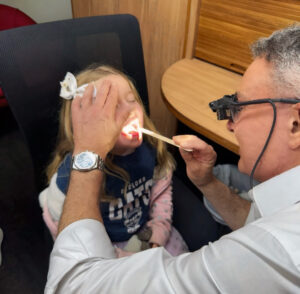
Tonsil surgery, also known as a tonsillectomy, is a common procedure for children who experience persistent throat problems. The tonsils are small, soft tissues located at the back of the throat that help fight infections. Sometimes, the tonsils can cause more harm than good, especially when they are often infected or become too large.
Dr. Simon Braham, a trusted Melbourne ENT surgeon, offers reliable and compassionate tonsil surgery for children who require assistance with frequent infections, sleep disturbances, or breathing difficulties. His friendly and patient-focused approach helps Melbourne families feel supported every step of the way. He knows that many people are justifidably scared by the procedure and have heard horror stories of things going wrong with tonsillectomy. Dr Braham the anaethetist and Masada staff will compassionately guide you and your child through every stage of the journey.
What Are Tonsils and Why Are They Removed?
Tonsils are part of the body’s natural defence system. They help trap germs that enter through the mouth and nose. In some children, the tonsils can become swollen or infected often, causing repeated sickness or blocked airways.
Reasons why tonsils may need to be removed include:
- Frequent throat infections (tonsillitis)
- Breathing problems during sleep (paediatric sleep apnoea)
- Difficulty swallowing due to enlarged tonsils
- Ongoing snoring or noisy breathing
- Constant sore throats or bad breath linked to tonsil stones
- Dentist recommendation for tooth grinding or jaw maldevelopment
Tonsil surgery for kids can improve their breathing, reduce infections, and help them sleep, grow and eat better.

Signs Your Child May Need Tonsil Surgery
If your child has ongoing throat issues, you may notice some signs that they need to see a paediatric ENT specialist in Melbourne. Watch for:
- Frequent sore throats – more than 5 to 7 infections in a year
- Loud snoring or breathing sounds during sleep
- Pauses in breathing while sleeping (possible sleep apnoea)
- Waking up often at night or restless sleep
- Daytime tiredness, crankiness, or trouble focusing
- Trouble swallowing solid foods
- Breathing mostly through their mouth, not the nose
- Dental concerns
If these signs are present, Dr. Simon Braham can provide a detailed assessment and discuss whether tonsil surgery is the right choice.
Types of Tonsil Problems in Kids
There are several common tonsil-related problems that affect children:
- Recurrent Tonsillitis: Frequent infections causing sore throat, fever, and missed school days.
- Enlarged Tonsils (Tonsillar Hypertrophy): Large tonsils can block airways, causing snoring or breathing pauses.
- Sleep-Disordered Breathing: Breathing problems during sleep, including paediatric obstructive sleep apnoea.
- Peritonsillar Abscess: A serious infection near the tonsils that may need urgent treatment.
- Teeth grinding and dental growth concerns
Tonsil surgery in Melbourne is often recommended when these problems affect your child’s daily life and health.
Benefits of Tonsil Surgery for Kids
Tonsil removal can offer long-term health improvements for many children. The key benefits include:
- Easier breathing, especially during sleep
- Fewer throat infections and less time away from school
- Better quality sleep and more energy during the day
- Improved swallowing and eating habits
- Improvements in dental issues
- Relief from persistent snoring and noisy breathing
Dr. Simon Braham focuses on safe, modern techniques that help children recover quickly and comfortably.
Tonsil Surgery Procedure: Step-by-Step
Knowing what to expect can help parents feel more reassured about the process.
Here’s a simple step-by-step overview:
- Initial Consultation: Dr. Braham will carefully assess your child’s history, symptoms, and breathing patterns.
- Surgery Day: The tonsil surgery is usually done first thing in the morning at Masada hospital.
- Anaesthesia: Your child will receive gentle general anaesthesia so they are fully asleep and pain-free. A parent should be present when the child goes to sleep to help support the child.
- Tonsil Removal: The procedure takes about 30 to 45 minutes.
- Recovery Room: Your child will wake up in the recovery area where the care team will monitor them closely. A parent will be invited to the recovery room as soon as your child starts to wake up.
- Going Home: Most children go home the next day with clear aftercare instructions. The child should stay home and eat for 10-14 days. The child can eat anything they want but we encourage as much ice cream and cold foods/drinks as possible to reduce swelling.
Dr. Braham and his team will make sure your child feels safe and supported throughout the process.
How is Tonsillectomy Surgery Performed
Tonsillectomy is performed under general anaesthesia in a fully equipped surgical facility, ensuring optimal safety and comfort for the patient. The procedure typically takes between 30 and 60 minutes. The surgeon accesses the tonsils through the mouth using a specialised instrument called a mouth gag to keep the area open. The tonsils are then carefully separated from the surrounding tissue and removed using one of several available techniques.
Benefits of Coblation – the modern technique for Tonsil Surgery
Electrocautery, the old ‘gold standard’ technique, uses heat to excise and cauterise simultaneously, which reduces intraoperative bleeding more than a steel scalpel, but the heat causes more postoperative swelling.
Coblation Tonsillectomy, a newer surgical method, utilises radiofrequency (RF) energy to dissolve tissue at much lower temperatures, resulting in less swelling and thus less pain, less bleeding and faster healing. Once tonsils are removed, the patient is monitored during recovery before being discharged the same day or after a short hospital stay. The post operative bleeding rates with Coablation are lower than electrocautery. The coablator is a single use instrument that costs approx $400, this extra cost is usually covered by private health insurance. The Coablator is generally not available in public hospitals.
Recovery After Tonsillectomy
Recovery from a tonsillectomy varies slightly between children and adults but generally follows a well-understood course. The first 2-3 days are generally not too bad as the surgeons use long acting local anaesthetic to make the tonsil bed numb, unfortunately as this wears off and the swelling increases the middle 3 days are the most uncomfortable, with throat and referred ear pain being common due to shared nerve pathways.
The anaesthetist who is an expert in pain management will prescribe medications for pain and swelling to help you get through this period. It’s important to follow the anaesthetist plan carefully for the easiest recovery. The anesthetist will be available for any help or queries in the recovery period. Staying hydrated and resting at home is crucial in this period.for children Avoiding people sick with a virus or running around and getting excited is important to avoid bleeding.
After the surgery you will be transferred to the ward and observed by the nursing staff overnight. You will usually have a comfortable single room with en-suite and space for the parent to stay. The pharmacist and nursing staff will explain the discharge medication again and make sure you are comfortable with the discharge instructions, your child eating comfortably and they will liaise with your surgeon and anesthetist as needed. The staff are very experienced with the recovery following tonsillectomy and the needs of children and families. You will be given a contact number to call if you have any questions no matter how minor you can call 24 hours a day.
By the end of the first week, most patients begin to feel gradual improvement. Scabs form where the tonsils were removed and typically slough off around day 7 to 10. This phase may involve minor bleeding, which is usually self-limiting but requires attention if persistent. Maintaining hydration and eating soft, cool foods can help minimise discomfort and reduce complications.
By the second week, many individuals are ready to resume normal eating habits and return to school, although physical exertion should still be avoided for a few more days. A postoperative check-up by phone then in person if needed is arranged prior to discharge. The overall recovery period is around 10 to 14 days, and our team provides support and guidance throughout to ensure a smooth recovery.
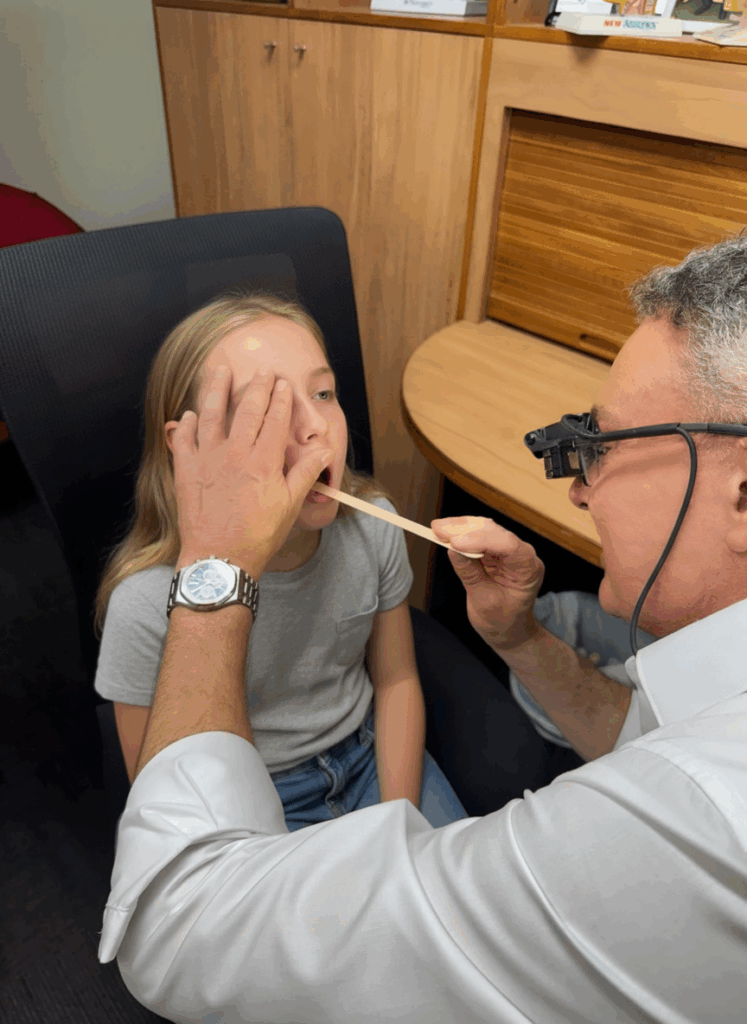
Tonsillectomy with or Without Adenoidectomy
Some children may also have enlarged adenoids – soft tissue behind the nose that can block airflow. In many cases, tonsil surgery is done together with an adenoidectomy (removal of the adenoids).
Benefits of removing adenoids at the same time may include:
- Better airflow through the nose
- Reduced snoring and mouth breathing
- Fewer ear infections
- Improved sleep and breathing patterns
Dr Braham will explain whether your child may benefit from having both tonsils and adenoids removed in one procedure.
Recovery After Tonsil Surgery
Recovery from tonsil surgery can take around 7 to 14 days. Parents can support their child’s healing by following simple home care instructions.
What to Expect During Recovery:
- Sore throat and ear pain (common for about a week)
- Low-grade fever for the first few days
- Tiredness and less appetite in the first week
Tips to Help Recovery:
- Provide soft, cool foods like yoghurt, jelly, mashed potatoes, or ice cream
- Encourage regular sipping of fluids to prevent dehydration
- Offer pain relief as recommended by Dr. Braham
- Keep your child at home to rest for about 7 to 10 days
When to Seek Medical Advice:
- If your child has heavy bleeding from the throat
- If they cannot drink enough fluids
- If pain is not well-controlled with medication
- If high fever continues for more than two days
Dr Simon Braham’s Melbourne practice and Masada hospital will provide parents with detailed aftercare guidance and will arrange a follow-up to check your child’s recovery. And a phone number to ring with any queries.
When to Seek Help after Tonsil Surgery
Most children recover well after tonsil surgery, but it’s important to know when to seek help.
Contact or visit your nearest hospital if your child has:
- Bright red bleeding from the throat or mouth
- Trouble breathing
- Ongoing high fever above 38.5°C
- Signs of dehydration (dry mouth, not passing urine, sunken eyes)
- Severe pain that does not improve with medication, call the anesthetist first.
- Refusal to drink or eat for more than a day
Dr. Braham’s friendly team at Masada will provide clear emergency contact details and support for any concerns during recovery.
Risks and Potential Complications of Tonsil Surgery
Tonsil surgery is a common and generally safe procedure. Like all surgeries, there are some risks to consider.
Common side effects:
- Sore throat and ear pain
- Mild bleeding or blood-tinged saliva
- Low energy for a few days
Less common but serious risks:
- Bleeding after surgery, which may need medical attention
- Infection
- Temporary voice changes
- Problems with anaesthesia (rare)
Dr. Simon Braham uses advanced surgical techniques to reduce risks and works with experienced anaesthetists for your child’s safety. For more information read the surgery risks page.
FAQs About Tonsil Surgery for Kids
Is tonsil surgery suitable for children?
Yes, tonsil surgery is a commonly performed procedure for children. Dr. Braham will discuss all the risks and safety steps before surgery.
Will my child need to stay overnight?
Most children stay overnight so the anesthetist can assess that the child has recovered properly and the medication is working.
How long is the recovery?
Recovery takes about 7 to 14 days. Most children can return to school after 7 to 10 days.
When can my child return to sports?
Strenuous activities and sports should be avoided for two weeks after surgery to reduce the risk of bleeding.
Can tonsils grow back?
In rare cases, small tonsil tissue can remain and grow slightly, but full regrowth is very uncommon.
Will my child’s voice change?
There may be a temporary voice change, but this usually settles within a few weeks.
Can my child’s behaviour improve after tonsil surgery?
Yes, some children show noticeable improvements in behaviour after tonsil surgery, especially if they had sleep problems. Poor sleep due to enlarged tonsils or sleep apnoea can cause crankiness, difficulty concentrating, and daytime tiredness. After surgery, many parents report better mood, more energy, and improved attention at school.
Why does my child’s breath smell bad after tonsil surgery?
Mild bad breath is common during the healing process after a tonsillectomy. It happens because of the natural healing of the throat and the formation of a white coating where the tonsils were removed. This coating will clear as the throat heals, usually within 7 to 10 days.
Can my child talk and swallow normally after tonsil surgery?
Most children speak and swallow normally after recovery. Some may notice mild voice changes or a “nasal” tone for a few days, but this usually settles as swelling goes down. Swallowing may feel uncomfortable at first, but it improves as the throat heals.
Is weight gain common after tonsil removal in children?
Some children may gain weight after tonsil surgery. If eating was painful before surgery, they may eat more comfortably after recovery. Also, better sleep may improve metabolism and energy levels. Sudden or large weight changes are not typical, but small gains can occur.
Can weather changes cause more throat pain after surgery?
Cool air, dry heating, or air conditioning may sometimes make the throat feel drier or more uncomfortable during healing. Using a humidifier at home or encouraging your child to sip water regularly can help reduce throat dryness and ease discomfort.
How soon can my child fly after tonsil surgery?
It’s best to wait at least two weeks before flying. The cabin air can be very dry, which may irritate the healing throat. There’s also a small risk of post-operative bleeding, which is safer to manage while on the ground. Always check with Dr. Braham before making travel plans.
Can tonsil surgery help with bedwetting?
Some studies suggest that children with sleep apnoea caused by large tonsils may have a higher chance of bedwetting. Improved sleep and breathing after tonsil surgery can sometimes reduce bedwetting, but this is not guaranteed. Discuss this with Dr. Braham if it is a concern.
Will my child’s sense of taste change after tonsil surgery?
Temporary changes in taste can happen but are rare in children. If it does occur, it usually returns to normal within a few weeks as the throat heals.
Can my child develop scar tissue after tonsil removal?
Scar tissue after tonsil surgery is very rare. The throat heals smoothly in most cases. Dr. Braham uses precise techniques to reduce the chance of scarring or long-term changes in the throat structure.
Can my child develop ear pain after tonsil surgery?
Yes, it is common for children to experience ear pain after a tonsillectomy. This is called referred pain, where the throat and ears share the same nerve pathways. The ears themselves are not infected or damaged. Pain relief medication can help manage this.
Preparing for Your Child’s Tonsil Surgery
A smooth experience starts with good preparation. Dr. Braham’s team will guide you through every step.
How to prepare:
- Follow fasting instructions (no food or drink for a set time before surgery)
- Tell the team about any medications or allergies
- Prepare soft, easy-to-eat foods at home for recovery
- Pack your child’s comfort items for hospital, such as a toy or blanket
Dr. Braham will explain the process in simple terms to help your child feel calm and ready.
Aftercare Checklist for Parents
Home care steps after tonsil surgery:
- Offer soft, cool foods and plenty of drinks
- Use pain relief medicine as advised by Dr. Braham
- Encourage quiet rest at home for at least a week
- Avoid hard or crunchy foods like chips or toast
- Keep your child away from crowded places to prevent infection
- Watch for any signs of bleeding or dehydration
A follow-up appointment will be scheduled to check healing and answer any questions.
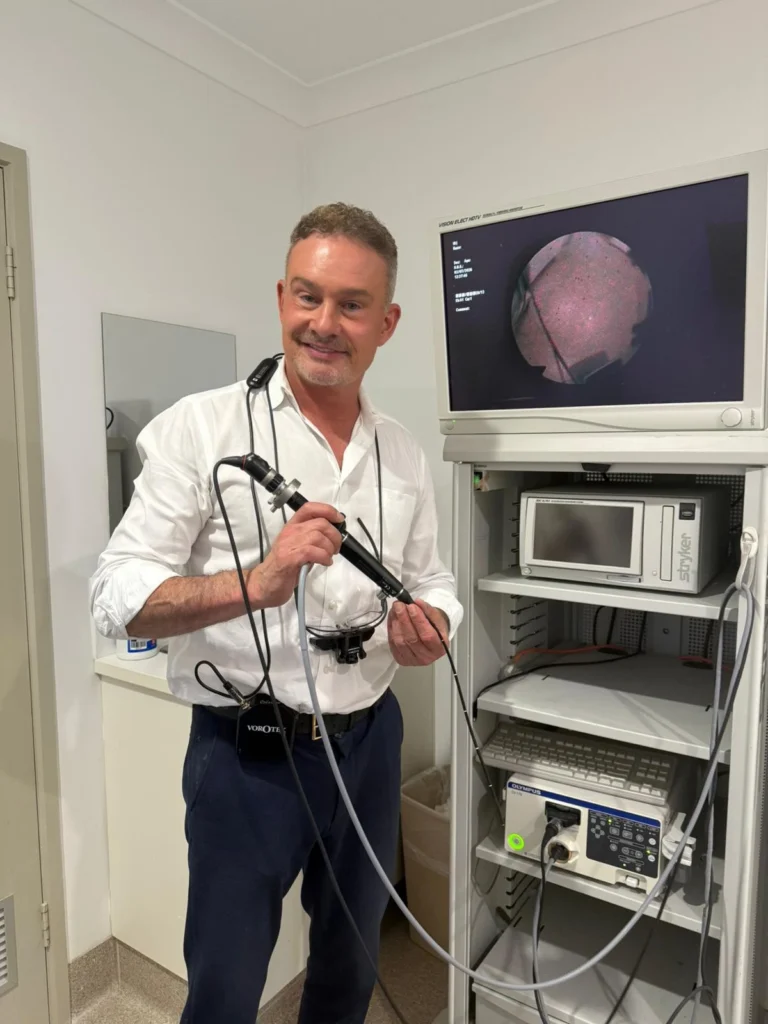
Why Choose Dr. Simon Braham?
Choosing the right ENT surgeon is important for your child’s care and comfort.
Why Melbourne families trust Dr. Braham:
- Specialist in children’s ENT surgery
- Caring, patient-focused approach
- Clear explanations in easy-to-understand language
- Experienced team providing full support before, during, and after surgery
- Convenient Melbourne locations for appointments and surgery
Dr. Braham takes time to answer all your questions and help your child feel at ease.
Next Steps: Booking a Consultation
If your child is having frequent throat infections, sleep issues, or breathing problems, Dr. Simon Braham can help.
How to book an appointment:
- Call the practice directly or use the online contact form
- Bring your referral from your GP or paediatrician
- Bring any reports, X-rays, or sleep studies if available
- Ask about private health insurance and Medicare rebates for surgery
Dr. Braham’s team will guide you through the booking process and answer any questions about costs or scheduling.
Additional Resources
- Download: Tonsil Surgery Aftercare Guide (PDF)
- Learn more: Understanding Sleep Apnoea
- Watch: Child-Friendly Tonsillectomy Videos
- Recommended by GPs and paediatricians across Melbourne
Helpful information will also be provided in easy-to-follow printouts during your consultation.
Book a Consultation
If your child is experiencing repeated tonsil infections, snoring, or sleep disturbances, please contact Dr. Simon Braham’s team at the Melbourne ENT clinic.
Book your child’s consultation to discuss safe and effective tonsil surgery options with a caring ENT specialist.
Further Reading
- Read about Melbourne ENT’s Adult Tonsil Surgery Melbourne
- Read about Melbourne ENT’s Adenotonsillectomy
- Read about Melbourne ENT’s Adenoidectomy
- Read about Melbourne ENT’s Tonsillitis
- View Before and After Photos
Why Choose Dr Kleid ?

Dr Stephen Kleid,
Melbourne ENT Surgeon
MED0001052799
Dr Stephen Kleid is an experienced ENT Surgeon (Otolaryngologist) based in Melbourne with a passion for Septo-rhinoplasty, Septoplasty and a strong interest in Rhinoplasty Revision.
Qualifications
- AHPRA (Medical Board)
- MB, BS; FRACS (Fellow of the Royal Australasian College of Surgeons)
- AAFPS – Member of the Australasian Academy of Facial Plastic Surgery
- AAFPRS – (International Member of the American Academy of Facial Plastic and Reconstructive Surgeons)
Dr Kleid’s Procedures
Why Choose Dr Braham ?

Dr Simon Braham,
Melbourne ENT Surgeon
MED0001144757
Dr Simon Braham MBBS (Hons) FRACS is an experienced Ear, Nose and Throat ENT Surgeon (Otolaryngologist) based in Melbourne, performing tonsil, grommet and sinus surgery for children & adults. He helps patients with breathing issues, snoring concerns and sleep disturbances.
Dr Braham’s Procedures
How can we help?
The Melbourne ENT Team takes pleasure in assisting you with any questions when considering a surgery procedure. Please call the St Kilda East clinic in Melbourne between 9am – 5 pm on Weekdays.
What Next?

Want more information about your Procedure?
- Please read our website and blogs to find out more about your procedure and concerns
- For more information about pricing and payment methods, please visit our page on Surgery Payment Options.
- Talk to our Patient Care Team from 9 am to 5 pm Monday to Friday

What to Bring to Your Consultation
- We encourage you to bring a friend or family member to accompany you, as they can provide an extra perspective and support throughout the process.
- It is important to take thorough notes and carefully review all the documents provided to you.

How to Book a Consultation
- A valid medical referral from your GP or Specialist is necessary to see a surgeon for a consultation.
- Check our pricing page
- Please contact us to book your consultation.