

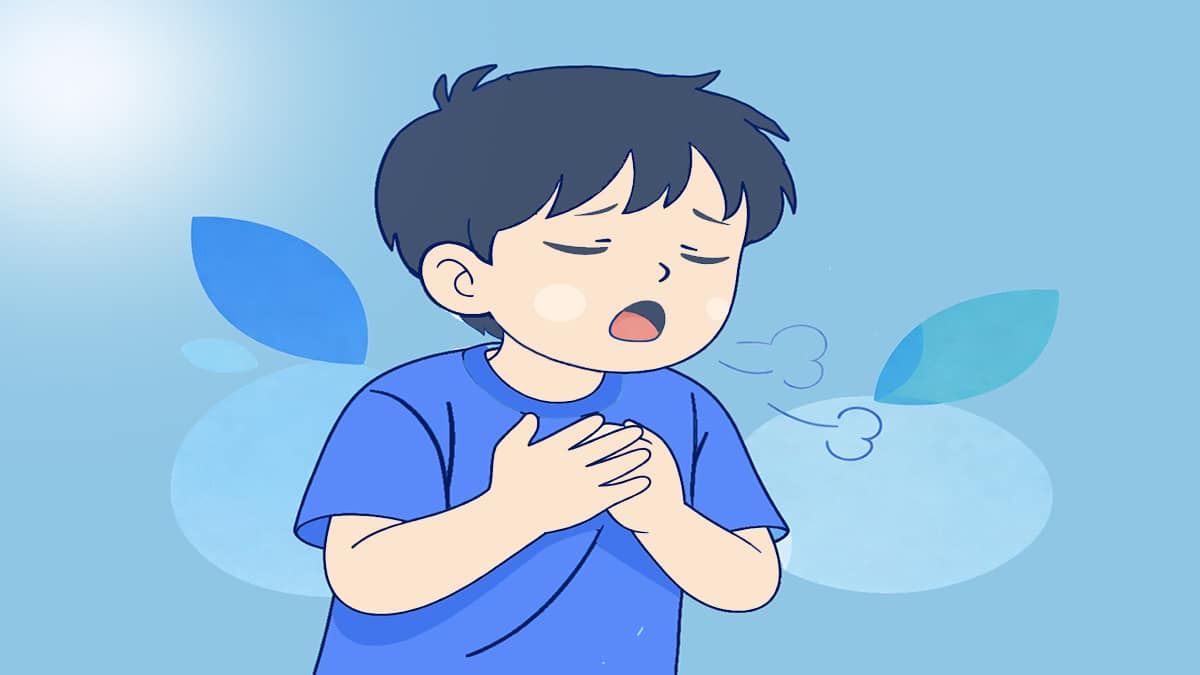
Breathing problems in children refer to any condition that makes it difficult for them to breathe normally through the nose, mouth, or airways. At Melbourne ENT we understand how distressing it can be for parents when their child struggles with breathing issues. Led by experienced ENT Surgeons, Dr Stephen Kleid and Dr Simon Braham, our clinic specialises in the comprehensive assessment and management of paediatric ENT concerns.
Our approach ensures that children receive expert, compassionate care tailored to their individual needs. We are committed to identifying and treating the root causes of breathing problems to help children breathe easier, sleep better, and thrive.
What Causes Breathing Problems in Kids?
Breathing problems may be temporary or chronic and can significantly impact a child’s sleep, behaviour, growth, speech development, and quality of life. Breathing difficulties often arise from enlarged adenoids or tonsils, nasal blockages, allergies, infections, or congenital abnormalities of the airway. In some cases, these problems can lead to secondary issues such as poor weight gain or developmental delays, especially if sleep is regularly disrupted. Understanding the nature and cause of these issues is essential to choosing the right treatment pathway.
Common Symptoms of Breathing Problems in Kids
Symptoms may vary depending on the underlying cause and the child’s age. Persistent nasal congestion can lead to difficulty breathing through the nose, resulting in habitual mouth breathing. Children may struggle with recurrent colds that never fully resolve or suffer from constant nasal discharge.
Loud snoring, particularly when accompanied by gasping or choking sounds during sleep, can indicate obstructive sleep apnoea, which may lead to significant fatigue and behavioural problems. Infants may exhibit noisy breathing due to structural conditions like laryngomalacia, while older children might experience chronic coughing, hoarseness, or frequent throat clearing.
Feeding and growth issues are also common among children with chronic breathing problems. Infants may struggle to latch properly or tire quickly during feeding, which can lead to poor weight gain. Older children might have difficulty swallowing or experience frequent choking episodes, leading to mealtime anxiety or aversion.
Open-mouth breathing, particularly noticeable at rest, is often a visible sign of nasal obstruction and can contribute to long-term facial and dental development issues (teeth grinding too). Your dentist may recommend an ENT review for this too. Untreated nasal obstruction as a child can result in the need for braces as an adolescent.
Additionally, children who breathe poorly at night may exhibit symptoms such as daytime sleepiness, poor attention span, and even behavioural difficulties that mimic attention deficit disorders (very good point – should emphasis).
Who is Affected by Breathing Problems?
Breathing difficulties can affect any child, but certain groups are more at risk due to anatomical, environmental, or genetic factors. Infants and toddlers are particularly susceptible to conditions like laryngomalacia, where floppy tissues above the vocal cords collapse during inhalation, causing noisy or laboured breathing. Enlarged adenoids or tonsils are more common in early childhood and can significantly obstruct airflow, particularly during sleep.
Children with allergic conditions such as hay fever or asthma are often more reactive to environmental irritants including dust, pollen, mould, and animal dander. These allergens can cause persistent nasal congestion and inflammation of the airways, worsening breathing problems.
A family history of ENT conditions or anatomical variations – such as a deviated nasal septum – can also predispose children to similar difficulties. Furthermore, those living in urban environments with high levels of air pollution may have a higher incidence of respiratory infections, further complicating their breathing.
Diagnosis and Evaluation at Melbourne ENT
Accurate diagnosis is the cornerstone of effective treatment. At Melbourne ENT, we prioritise a calm and supportive environment for children and their families.
Our process begins with a comprehensive consultation where we gather detailed information about the child’s medical history, symptom patterns, sleep behaviour, and feeding difficulties. A thorough physical examination follows, including a careful inspection of the ears, nose, throat, and neck to identify any visible abnormalities.
We frequently utilize flexible nasal endoscopy, a gentle and non-invasive procedure that allows us to see inside the nasal passages and throat. This can be done awake in the rooms or potentially asleep under a light anesthetic as a sleep endoscopy. This can reveal enlarged adenoids, structural anomalies, or signs of infection. When needed, imaging studies such as sinus CT scans or soft tissue neck X-rays help us assess deeper anatomical structures.
If obstructive sleep apnoea is suspected, we may refer the child for a sleep study, which provides detailed information about breathing patterns and oxygen levels during sleep. Allergy testing may also be recommended to uncover environmental triggers contributing to chronic nasal congestion or inflammation.
Treatment Options for Breathing Problems
Treatment is highly individualised and tailored to the child’s specific diagnosis, age, and overall health status. We begin with the least invasive options and only escalate to surgery when clearly indicated.
Medical management often includes the use of nasal saline sprays to maintain moisture and clear mucus, antihistamines to manage allergic reactions, and intranasal corticosteroids to reduce inflammation. Infections such as bacterial sinusitis may require antibiotics, while children with asthma-linked symptoms might benefit from bronchodilators or inhaled corticosteroids.
Environmental control plays a crucial role in managing chronic breathing problems. Families may be advised to implement changes at home, such as using hypoallergenic bedding, installing air purifiers, or removing potential irritants like pets or cigarette smoke. Dietary support can also be crucial, especially for children who struggle with feeding and growth.
For cases where medical treatment is insufficient or structural issues are present, surgical intervention may be necessary. Adenoidectomy is commonly performed to remove enlarged adenoids that obstruct the nasal airway, while tonsillectomy is indicated for children experiencing frequent throat infections or significant snoring and sleep disruption.
Procedures like turbinoplasty and septoplasty address structural nasal blockages, and for infants with conditions like laryngomalacia, a supraglottoplasty may be required to correct airway collapse.
When is Surgery Recommended?
Surgical treatment is considered when conservative measures fail to provide relief, or when anatomical blockages are clearly contributing to the child’s symptoms. For instance, children who continue to experience loud snoring, disrupted sleep, or behavioural issues despite medication may benefit significantly from tonsil or adenoid removal.
Similarly, those with confirmed obstructive sleep apnoea or recurrent infections that impair their daily life are often ideal candidates for surgery.
Our surgeons take a meticulous approach to evaluating the risks and benefits of surgery, ensuring that every procedure is necessary and will lead to improved outcomes. We also provide families with detailed information about what to expect before, during, and after surgery to ensure they feel fully supported throughout the process. Safety, precision, and comfort are our top priorities in every surgical case.
Recovery and Prognosis
Children generally respond very well to treatment, particularly when issues are addressed early. Improvements are often seen within days or weeks, with children breathing more comfortably, sleeping more soundly, and displaying better mood and concentration. Their appetite often improves, and growth trajectories may accelerate as feeding becomes easier and more effective.
Surgical recovery times vary depending on the procedure. After adenoidectomy, children typically return to normal activities within 3 to 7 days.
Tonsillectomy may involve a slightly longer recovery period, with most children resuming normal eating and activity levels within 7 to 10 days. Nasal surgery recovery can take 1 to 2 weeks, during which swelling and congestion gradually subside. Our clinic ensures a seamless follow-up process to monitor healing and address any concerns that may arise post-operatively.
Risks or Complications if Left Untreated
Untreated breathing problems can lead to a range of complications that affect a child’s development and wellbeing. Chronic sleep deprivation due to obstructed breathing can result in fatigue, learning difficulties, and poor school performance. Some children may develop speech or language delays if their breathing patterns interfere with proper articulation or auditory processing.
Prolonged mouth breathing can also cause malocclusion and affect facial bone development, resulting in long-term dental and orthodontic issues. Recurrent infections can weaken the immune system and lead to repeated absences from school or childcare.
Behavioural issues may become more pronounced, often misinterpreted as attention disorders, when in fact they stem from poor oxygenation and sleep quality. Addressing these problems early not only resolves the physical symptoms but also supports the child’s cognitive, emotional, and social development.
FAQs About Breathing Problems in Kids
Could my child’s hyperactivity or poor focus be caused by poor sleep due to breathing issues?
Yes, chronic sleep disruption caused by conditions like obstructive sleep apnoea or nasal obstruction can significantly impact concentration, mood, and behaviour. Children often appear hyperactive or inattentive when they’re actually sleep-deprived.
Why does my child breathe loudly even when they are not sick?
Loud breathing outside of illness may indicate structural issues like enlarged adenoids, nasal polyps, or laryngomalacia. These require an ENT assessment to determine the exact cause and best treatment approach.
Can frequent mouth breathing affect my child’s face or jaw development?
Yes, chronic mouth breathing can alter facial growth, leading to changes in jaw alignment and dental arch development. Early intervention can help mitigate long-term orthodontic consequences.
Is it normal for infants to grunt or wheeze while breathing?
Occasional grunting or wheezing in infants can be normal, but persistent or noisy breathing should be evaluated to rule out laryngomalacia or other airway abnormalities.
My child always breathes through their mouth – could this be why they get sick so often?
Mouth breathing bypasses the nose’s natural filtering mechanisms, which can lead to increased exposure to airborne irritants and pathogens, raising the likelihood of frequent infections.
Could seasonal allergies be contributing to my child’s breathing difficulties?
Absolutely. Allergies can cause chronic inflammation and congestion in the nasal passages, making it difficult for children to breathe through their nose and sleep comfortably.
If my child snores but seems healthy, should I still be concerned?
Yes, habitual snoring can be an early sign of sleep-disordered breathing. Even in otherwise healthy children, it warrants evaluation to rule out obstructive sleep apnoea or other ENT-related conditions.
Sources:
- Pediatric Pulmonology articles – Frontiers in Pediatrics
https://www.frontiersin.org/journals/pediatrics/sections/pediatric-pulmonology/articles - Paediatric Respiratory Health in Focus: Key Updates from this Issue – Pediatric Respiratory Medicine Journal, LWW
https://journals.lww.com/prcm/fulltext/2025/01000/paediatric_respiratory_health_in_focus__key.1.aspx - Pediatric Asthma – StatPearls, NCBI Bookshelf
https://www.ncbi.nlm.nih.gov/books/NBK551631/ - Lower Airway Diseases in the Paediatric Population: A Two-Year Study – Journal of Clinical Medicine, MDPI
https://www.mdpi.com/2077-0383/14/2/384 - February 1, 2025 Issue of JAMA Pediatrics (includes studies on pediatric respiratory outcomes) – JAMA Pediatrics
https://jamanetwork.com/journals/jamapediatrics/issue/179/2
Concerned About Breathing Problems for Kids?
If your child exhibits any signs of breathing difficulty, early intervention is crucial. Melbourne ENT offers experienced, family-focused care for paediatric ENT concerns.
We work closely with parents to ensure every child receives an accurate diagnosis, thoughtful treatment, and continuous care. Our team is here to answer your questions, explain your options, and help your child breathe and thrive.
Book a consultation with our surgeons:
- Dr Simon Braham: (03) 9038 1311
- Dr Stephen Kleid: (03) 9038 1630
Melbourne ENT – Specialist care for children with breathing problems in St Kilda East and Sunbury, Victoria. Supporting healthy breathing, growth, and development.
Further Reading
- Read more about Throat Concerns and Conditions
- Read more about Sleep Disturbance Melbourne
- Read more about Snoring – Sleep Apnoea
- Read more about Voice and Larynx Disorders
- Read more about Sleep Disordered Breathing in Children PDF
- Read more about Using the NOSE Scale Score to assess Nasal Obstruction
- Read more about How to Prevent Kids Inhaling Foreign Objects (Under 3 Years)