

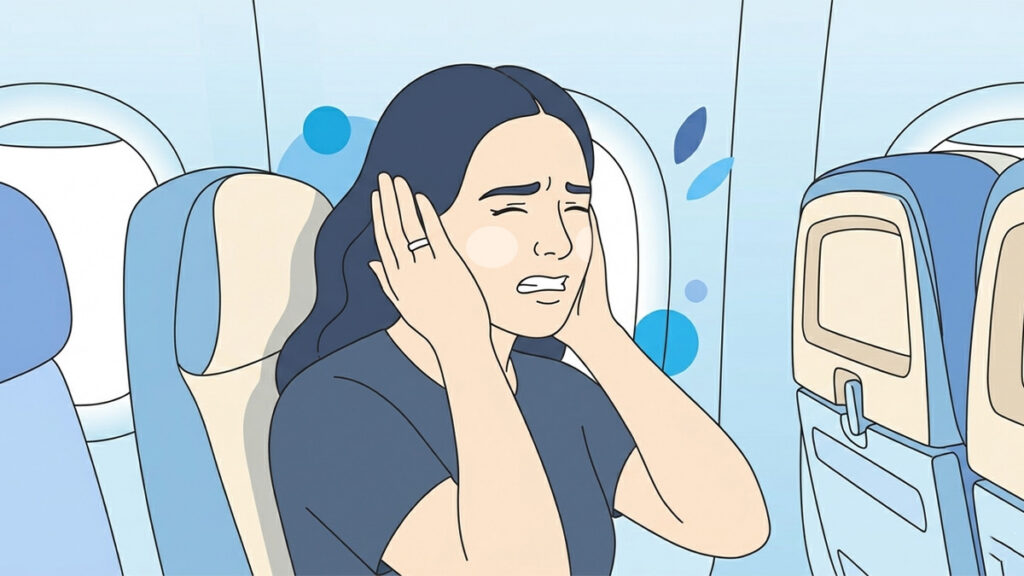
Every summer, many people from Melbourne and across Victoria board flights for holidays, family visits or work trips and are surprised by how uncomfortable their ears and sinuses can feel in the air. A simple flight between Melbourne and Sydney can leave ears feeling blocked, sore or ringing. Longer journeys can trigger intense sinus pressure, headaches and ongoing discomfort after landing. For some adults and children, this discomfort becomes something they dread each time they travel.
At Melbourne ENT in St Kilda East, Victoria, ear and sinus problems related to flying are a frequent concern. Both adults and children are often referred because they experience significant ear pain, sinus block or troublesome pressure changes whenever they fly. Many people are unsure whether this is something they simply have to tolerate, or whether specialist care can actually make a difference.
Melbourne ENT is led by two experienced FRACS surgeons. Dr Stephen Kleid is an ENT and Head & Neck Surgeon with decades of experience in managing complex ear, nose, sinus and airway conditions. Dr Simon Braham is an ENT surgeon with a particular interest in nasal, sinus and paediatric ENT surgery. Together, they offer comprehensive assessment and treatment that focuses on function, long term comfort and realistic, evidence based care.
This article explains what happens to your ears and sinuses in an aircraft, why pressure changes can cause ear pain and sinus block, what is different for children flying, which post flight symptoms are worth worrying about, and how an ENT specialist such as Melbourne ENT can help if flying regularly causes problems for you or your family.
Understanding Pressure Changes And Barotrauma
✓ What Happens To Pressure In A Plane
Although modern aircraft cabins are pressurised, they are not kept at the same pressure as ground level. As the plane climbs after take off, the air pressure in the cabin gradually falls. As the plane descends before landing, the cabin pressure rises again. These changes are carefully controlled, but they still matter because the spaces inside your head are filled with air that needs to expand, contract and move freely.
If pressure outside your body changes faster than the pressure inside air filled spaces, you can feel discomfort or even pain. The main areas affected are the middle ears and the sinuses in your face. For most people, the body adjusts smoothly. For others, especially if they are congested or have underlying problems, the change is more abrupt and can cause significant symptoms.
✓ Your Ears: How Pressure Equalises
The ear has three main parts: the outer ear, the middle ear and the inner ear. Sound travels down the ear canal and vibrates the eardrum. Behind the the eardrum is the middle ear, which is normally filled with air. The middle ear connects to the back of the nose and throat through a narrow channel called the Eustachian tube. This tube opens and closes to let air move in and out of the middle ear.
Every time you swallow, yawn or chew, the Eustachian tube opens briefly and allows pressure on either side of the eardrum to equalise. On the ground, this normally happens so smoothly that you do not notice it. In a plane, the pressure in the cabin is changing more quickly, so the Eustachian tube has to work harder. If the tube is blocked or sluggish, the pressure in the middle ear cannot keep up, the eardrum is pulled in or pushed out, and you feel fullness, pressure or pain.
When pressure differences are mild, you might simply notice a bit of popping and crackling as the ears clear. With greater differences, it can be quite painful, and in more severe cases the eardrum can bruise or even tear. This is one reason why repeated, forceful attempts to pop the ears when they are very blocked are not recommended.
Your Sinuses: Why Sinus Block Occurs
The sinuses are air filled spaces within the bones of the face and skull. They sit behind the cheeks, around the nose and behind the forehead and eyes. Each sinus has a small drainage opening that connects to the nasal cavity. Under normal circumstances, these openings allow air to move in and out, and mucus produced by the lining can drain away.
When you have a cold, sinus infection or allergies, the lining of the nose and sinuses can swell and produce extra mucus. This makes the drainage openings narrower and more likely to block. When cabin pressure changes and the air inside the sinuses cannot move freely through these small openings, you may develop a feeling of intense pressure or sharp pain, especially over the forehead, cheeks or around the eyes.
People often describe this as sinus block on a plane. In many cases it settles once the plane lands and pressures stabilise. In others, especially where there is underlying chronic sinus disease or structural narrowing, the symptoms can be severe and may linger for days. This can turn flying into a very unpleasant experience and may signal that further assessment is worthwhile.
✓ What Is Barotrauma
Barotrauma is the term doctors use when tissue is damaged by a pressure difference between the inside and outside of that area. In the context of flying, the two most common forms are ear barotrauma and sinus barotrauma. Ear barotrauma occurs when the eardrum and middle ear structures are stressed by unequal pressure. Sinus barotrauma occurs when the sinus lining and blood vessels are affected because air cannot move in or out through the sinus openings.
Mild barotrauma is common and often settles with simple measures. However, when barotrauma is recurrent, severe, or associated with changes in hearing, balance or ongoing pain, it is usually a sign that something in the ear, nose or sinus system is not working as it should. In these cases, an ENT assessment can help identify the underlying problem and guide treatment.
Who Is At Higher Risk Of Ear And Sinus Problems When Flying
Certain medical conditions make it harder for the ears and sinuses to cope with rapid changes in air pressure. Understanding these risk factors can help people plan ahead and seek advice before travel when necessary.
People are more likely to experience ear pain or sinus pressure on flights if they currently have, or frequently suffer from, colds, flu, ear infections or sinus infections. Even a relatively mild upper respiratory infection can cause enough swelling in the nose and around the Eustachian tubes to make equalising difficult. Similarly, people with allergic rhinitis, also called hay fever, often have ongoing inflammation in the nose that can narrow the small openings that are so important for pressure regulation.
Chronic sinusitis, nasal polyps and long standing nasal congestion also increase the risk of barotrauma. When sinus drainage pathways are already narrowed or blocked, pressure changes in the cabin are more likely to be felt as sharp pain or heavy pressure over the face. A deviated nasal septum or enlarged turbinates can reduce airflow and contribute to sinus issues. Many of these structural problems are common within the community and may not be recognised until flying or other pressure changes expose them.
Previous surgery can also influence how the ears and sinuses behave in a plane. People who have had ear surgery or trauma, or children who have had repeated ear infections, may be more prone to discomfort. In some circumstances, having small tubes called grommets placed in the eardrum can improve comfort by allowing pressure to equalise more easily, but this always needs individual specialist advice.
Children and teenagers form another important group. Younger children have smaller, more horizontal Eustachian tubes than adults. These tubes block more easily with even a small amount of mucus or swelling, which is why children who seem only mildly congested on the ground may experience distressing ear pain during descent. For families who fly regularly, especially between Melbourne and interstate or overseas destinations, recurrent problems in children can cause significant stress and disruption.
Frequent flyers, including business travellers, pilots and cabin crew, are also at higher risk simply because they are exposed to repeated pressure changes. For these individuals, even moderately uncomfortable symptoms can become a major quality of life issue over time. Melbourne ENT, with the combined expertise of Dr Stephen Kleid and Dr Simon Braham, is familiar with advising frequent flyers on prevention and long term strategies to reduce ear and sinus problems associated with their work or lifestyle.
Recognising Symptoms During And After Flying
Understanding which symptoms are typical and which suggest a more significant issue can help people respond appropriately during and after a flight.
Ear related symptoms during take off and landing often begin with a feeling of fullness or blockage, as if the ear is under water. As the pressure difference increases, this can progress to aching or sharp pain. Some people notice crackling or popping sounds as the Eustachian tubes open and close. Temporary changes in hearing, such as muffled sounds or the sensation of hearing through cotton wool, are also common and can be unsettling.
More intense ear barotrauma can cause a sudden, severe pain at the height of descent, sometimes followed by relief and then a persistent blocked sensation. In rare cases, the eardrum can rupture, which may be accompanied by a sudden drop in pain, new hearing loss or a small amount of blood coming from the ear. People may also experience ringing in the ears or a sense of imbalance, particularly if pressure changes affect the inner ear.
Sinus related symptoms often feel different. Instead of pain deep in the ear, people describe sharp or throbbing pain in the forehead, around the eyes, behind the cheeks or even in the upper teeth. This can be one sided or affect both sides. The pain may build gradually as the plane descends, and some people experience a sudden stab of pain at a particular altitude. Once on the ground, the pain can linger as a heavy pressure or headache, sometimes associated with nasal congestion or a small nosebleed.
In children, the signs of ear or sinus pressure can be less clear, particularly in infants and toddlers who cannot describe what they are feeling. Parents may notice that a child becomes restless or distressed during descent, pulls at their ears, refuses to feed or seems inconsolable. Older children might complain that their ears are blocked or hurting or that their head feels like it is going to explode. These experiences can be very frightening for children and families, especially on long flights.
After landing, many people find that mild blocked ears or sinus pressure gradually settles over a few hours, or within a day or two. However, if symptoms are severe during the flight, if there is sudden hearing loss, if dizziness persists, or if there is obvious swelling, fever or worsening facial pain, this suggests that more significant barotrauma or infection may have occurred. In that situation, a prompt review by a GP or ENT specialist is important.
Getting Ready To Fly: Protecting Your Ears And Sinuses Before You Travel
Preparation before a flight can make a significant difference to how your ears and sinuses cope. It is helpful to think about your general health in the week or two leading up to travel, especially during Melbourne winter and spring when colds and allergies are more common.
If you develop a heavy cold, sinus infection or ear infection in the days before you are due to fly, it is worth discussing your situation with a GP. In some cases, especially when there is high fever, severe pain or a known history of pressure related problems, postponing a non urgent flight may be recommended if this is practical. When travel cannot be delayed, your doctor can often suggest ways to reduce the risk and intensity of barotrauma.
For people with known allergies or chronic sinus issues, using prescribed nasal sprays as directed in the lead up to a trip can help keep swelling under control. Saline sprays or rinses can also be used regularly to thin mucus and support drainage. These simple measures often make the nose and sinuses feel clearer and can reduce the likelihood of significant sinus block during the flight. It is important not to start new over the counter products, such as strong decongestant tablets or sprays, without medical advice, as they may not be suitable for everyone.
Some adults may be advised to use a short course of topical nasal decongestant spray in the hours before take off and descent, particularly when they are prone to severe ear or sinus pain on flights. These sprays reduce swelling in the lining of the nose and around the Eustachian tube openings. However, they must be used correctly and only for a limited period to avoid rebound congestion. People with high blood pressure, heart disease, thyroid problems, glaucoma or who are pregnant should be especially careful and seek medical guidance.
Planning for children takes extra thought. Parents can talk with older children about what to expect, explaining that their ears may pop or feel strange and that swallowing or chewing can help. It is useful to pack familiar items that encourage swallowing, such as bottles, a sippy cup, snack foods or a dummy. If a child has a history of recurrent ear infections, hearing problems or painful flights, seeking a pre flight assessment with a GP or an ENT specialist such as Melbourne ENT can provide a clear plan and reassurance.
Dr Stephen Kleid and Dr Simon Braham are experienced in advising families and adults who are worried about upcoming travel. A pre flight consultation at Melbourne ENT can include examination of the ears, nose and sinuses, discussion of previous flight experiences, and a tailored strategy that may involve medical treatment, timing of medications and, in some cases, consideration of procedural options such as grommet insertion or sinus surgery in the longer term.
In Flight Strategies To Reduce Ear Pain And Sinus Block
What you do in the air matters just as much as how you prepare on the ground. Small, simple actions, started early in the flight, can significantly improve comfort.
During take off, pressure in the cabin is changing, although many people notice problems more on descent than ascent. It is still helpful to begin equalisation strategies early. Sipping water, swallowing repeatedly or sucking on a lolly keeps the muscles around the Eustachian tubes active and helps them open more frequently. Chewing gum can provide a similar effect for older children and adults.
As the flight progresses, staying hydrated is important. The air in aircraft cabins is dry, which can dry out the lining of the nose and sinuses and make mucus more sticky. Drinking water regularly and avoiding excessive amounts of alcohol can support the natural defence mechanisms of the nose. Saline nasal sprays can be used during the flight if the nose feels very dry or blocked. Mild movement, such as standing up periodically and stretching, can reduce general discomfort and may help people feel more relaxed and in control.
Descent is usually the time when symptoms become most pronounced. It is very helpful to start ear protection strategies as soon as the captain announces that the plane is starting to descend, rather than waiting until pain appears. Swallowing, yawning and chewing should continue frequently. Some people use a gentle nose pinch and blow technique, where they take a breath in, close their mouth, gently pinch their nostrils and breathe out softly to push a small amount of air into the Eustachian tubes. This should never be forceful or painful, and people with known ear problems should only use this method if instructed by a doctor.
Parents traveling with children can encourage similar habits. For babies and toddlers, feeding or offering a dummy during descent encourages swallowing and can make a big difference to comfort. For older children, having a drink, snack or chewy food ready can help them maintain the swallowing that keeps pressure equalised. Explaining to a child that their ears may feel strange but that this is temporary and that swallowing can help often reduces anxiety.
Some people choose to use filtered airplane earplugs. These devices are designed to slow the rate of pressure change at the eardrum and may make the experience more comfortable for certain individuals. They can be used alongside the strategies described above. It is important to understand that they are not a substitute for gentle equalisation techniques or medical treatment where needed, and they should be viewed as one part of a broader approach.
After You Land: Managing Post Flight Ear And Sinus Symptoms
Once the plane touches down in Melbourne or your destination city, pressures in the cabin and outside gradually equalise, but the ears and sinuses may take some time to catch up. Most people find that mild symptoms continue for a period and then subside without specific treatment.
It is common to notice ongoing crackling and popping in the ears as you yawn, swallow or move your jaw in the hours after a flight. A sensation of blocked ears, slightly muffled hearing or a feeling of fullness can also persist. These symptoms often respond to continued gentle equalisation maneuvers such as chewing gum, sipping water or swallowing regularly. Warm showers and steam inhalation may also help to loosen mucus and encourage drainage.
Sinus related symptoms after flying may include a dull ache or pressure over the cheeks, forehead or around the eyes, along with nasal congestion. Rest, hydration, saline nasal sprays or rinses and simple pain relief can often provide improvement. In most cases, mild symptoms settle within a day or two.
However, if ear pain remains severe, if hearing seems significantly reduced or is different on one side, or if there is ongoing dizziness or a sensation of spinning, these are reasons to seek medical assessment promptly. Similarly, if sinus pain is intense, one sided, associated with swelling, fever or thick discoloured nasal discharge, a doctor should review the situation. These signs can indicate more serious barotrauma or infection that may benefit from targeted treatment.
For people who find that every flight produces troublesome symptoms, even if each episode eventually settles, the pattern itself is important. Repeated episodes of ear or sinus barotrauma suggest that the underlying system is struggling. In this situation, an ENT specialist such as Dr Stephen Kleid or Dr Simon Braham at Melbourne ENT can assess whether chronic sinusitis, Eustachian tube dysfunction, nasal obstruction or other structural issues are contributing and discuss options to improve things.
Treatment Options For Recurrent Ear And Sinus Problems Related To Flying
When flying regularly causes ear or sinus symptoms, treatment is tailored to the individual, taking into account their overall health, anatomy, work and travel patterns and personal preferences.
Many people benefit from a structured medical plan. This might include regular use of intranasal steroid sprays to reduce chronic inflammation in the nasal and sinus passages, allergy management if hay fever is a major factor, and planned use of saline irrigations to support mucociliary clearance. For some, short term use of decongestants around the time of flights, under medical supervision, can lessen acute swelling and improve comfort.
For patients with Eustachian tube dysfunction that does not respond to medical measures, procedural options may be considered. One established treatment is grommet insertion, where a very small tube is placed through the eardrum to allow air to move freely between the ear canal and the middle ear. This can be helpful for selected adults and children who experience repeated ear barotrauma and must fly frequently. Grommet insertion is usually a day procedure, and decisions about whether it is appropriate are made on a case by case basis after detailed discussion.
Chronic or recurrent sinus problems may require a different approach. When medications and simple measures do not adequately control symptoms, sinus surgery may be considered to improve drainage pathways. Functional endoscopic sinus surgery aims to carefully open and widen natural sinus openings so that air and mucus can move more freely. In some cases, septoplasty to straighten a deviated nasal septum or surgery to reduce enlarged turbinates is performed at the same time, to create a clearer nasal airway.
These operations are generally performed under general anaesthetic in hospital and require a recovery period. Melbourne ENT provides detailed pre operative and post operative guidance, so patients understand what to expect, including the likely recovery timeline, risks and potential benefits. The focus is on improving long term sinus function, breathing and overall comfort rather than quick fixes.
Medicare And Private Health Cover For Ear And Sinus Surgery
In Australia, many common ear and sinus procedures, such as grommet insertion, septoplasty and functional endoscopic sinus surgery, are associated with Medicare item numbers. This means that if a procedure is clinically indicated and performed in an appropriate setting, Medicare will usually contribute a portion of the cost of the surgeon and anaesthetist fees. Private health insurance, where held, may cover some or all of the remaining costs, particularly for patients treated in a private hospital. Cover does vary between policies and funds, and there are often gaps that patients are responsible for. At Melbourne ENT, patients are provided with clear, written information about estimated fees, Medicare rebates and potential out of pocket costs before proceeding, so they can make informed decisions and, if they wish, contact their health fund to confirm their level of cover.
Why Many Patients In Melbourne Choose Melbourne ENT For Ear And Sinus Concerns
Choosing where to seek help can feel daunting. Patients often want to know that their surgeon has strong training, extensive experience and a thoughtful approach to care.
Dr Stephen Kleid has worked for many years as an ENT and Head & Neck Surgeon in Melbourne, including senior roles at major hospitals such as the Royal Melbourne Hospital and the Peter MacCallum Cancer Centre. He has a long standing interest in complex head and neck, thyroid and parotid surgery, as well as nasal, sinus and airway procedures. His experience includes both public hospital practice and private consulting at Melbourne ENT, which gives him a broad perspective on the range of ENT problems that affect adults and children.
Dr Simon Braham trained in Melbourne and has worked across both public and private sectors since the early 2000s. He holds appointments at the Royal Victorian Eye and Ear Hospital and other regional hospitals, and his interests include paediatric ENT surgery, nasal and sinus surgery, snoring and sleep apnoea surgery and voice disorders. At Melbourne ENT in St Kilda East, he consults with patients of all ages who experience recurrent sinus problems, nasal obstruction and pressure related symptoms when flying.
Because both surgeons work across public and private settings, they are familiar with managing complex cases as well as more straightforward conditions. This integrated approach allows them to draw on a wide range of diagnostic and treatment options, from conservative measures through to advanced surgical techniques. Their shared focus is on safety, function and long term outcomes rather than quick or purely cosmetic solutions.
Melbourne ENT cares for both adults and children from across Melbourne and regional Victoria. Families with children who experience severe ear pain when flying may find it helpful to consult with a specialist who regularly manages paediatric ear and sinus problems. Adults who are frequent flyers can benefit from practical, realistic advice that takes into account work demands, personal preferences and the potential impact of different treatment options.
An important part of the Melbourne ENT philosophy is clear communication. Patients are encouraged to ask questions and are given understandable explanations about their condition, the available treatments and the risks and benefits of each option. This aligns with a commitment to evidence based practice, realistic expectations and personalised care for each individual.
FAQs About Flying, Ear Pain And Sinus Barotrauma
Can flying often actually cause permanent damage to my ears or sinuses, or is it just temporary discomfort each time?
For most people, the discomfort experienced during flights is temporary and settles without leaving permanent damage. Mild barotrauma can cause short term pain, pressure and muffled hearing, but the tissues usually recover once the pressure equalises. However, if you experience severe pain, repeated barotrauma, bleeding from the ear, or noticeable hearing loss, there is a greater risk of lasting changes. Recurrent episodes may also aggravate existing conditions such as chronic sinusitis or Eustachian tube dysfunction. An ENT assessment at Melbourne ENT can help determine whether your pattern of symptoms is likely to be causing ongoing harm and what can be done to protect your ears and sinuses in the future.
If I always feel fine on the plane but get blocked ears or sinus pain a day or two after landing, could that still be related to barotrauma from the flight?
Yes, it can. Not everyone notices symptoms during the flight itself. Some people only become aware of blocked ears, sinus pressure or headaches once they are back at their hotel or home. This can be due to a slower response of the tissues to pressure changes, or to an underlying infection or inflammation that is triggered by the stress of travel. Dry cabin air, disturbed sleep, changes in routine and exposure to new viruses can all contribute. If this pattern repeats after most flights, it is sensible to discuss it with your GP or an ENT specialist, as it may indicate that your ears or sinuses are already vulnerable and need more support around travel.
Is it safe for my child to fly if they have glue ear or a history of grommets, or should we avoid flights until their ears are completely normal on hearing tests?
Each child is different, and safety depends on their current ear health rather than their past history alone. Many children with glue ear or a history of grommets can fly safely with a few precautions. In some cases, grommets actually make flying more comfortable because they allow air to move directly through the eardrum and reduce pressure build up. If fluid is still present in the middle ear or if there is an active infection, flying may be more uncomfortable and sometimes a short delay is advisable. A paediatric ENT review at Melbourne ENT can clarify how your child’s ears are functioning, how well they are hearing, and whether any extra measures are needed before you travel.
I only get severe sinus pain when I fly into certain destinations, not when I fly out of Melbourne. Does the direction of travel or type of aircraft make a difference to sinus barotrauma?
The direction of travel itself is not the main issue, but several factors can influence your experience on different legs of a journey. Cabin pressure profiles can vary slightly between airlines and aircraft types, so some flights may involve more rapid pressure changes. Weather conditions and flight paths may also alter ascent and descent patterns. However, changes in your own health are often more important. Fatigue, dehydration, new exposures such as pollen or pollution, and minor infections picked up during travel can make the sinuses more sensitive by the time you are flying home. If you consistently experience sinus pain on particular routes or on the return leg, it suggests that your sinuses are susceptible and may benefit from preventive treatment or further investigation.
If equalising techniques like swallowing and chewing never seem to work for me, how can an ENT specialist tell whether the problem is my Eustachian tubes, my sinuses or both?
When simple equalisation techniques do not help, it is important to examine both the ears and the nose in detail. At Melbourne ENT, assessment may include a careful look at the eardrums, hearing tests to measure middle ear function, and nasal endoscopy to examine the nasal cavity and sinus openings. This allows the surgeon to see whether the Eustachian tubes appear blocked or poorly ventilated, whether there is fluid behind the eardrums, and whether there are signs of chronic sinusitis or structural narrowing such as polyps or a deviated septum. By combining this information with your description of symptoms, including whether pain feels more like ear discomfort or deep facial pressure, your surgeon can usually identify the main source of the problem and tailor your treatment accordingly.
Can long haul flights make existing conditions such as chronic sinusitis or Eustachian tube dysfunction worse over time, even if I manage each individual flight reasonably well?
Long haul flights place repeated demands on the nose, sinuses and Eustachian tubes, especially if you travel frequently for work. If you already have chronic sinusitis or Eustachian tube dysfunction, each flight can temporarily aggravate symptoms even when you are using good preventive measures. Over time, this may contribute to more frequent flare ups or make symptoms more noticeable. The aim of ENT care in this situation is to optimise your baseline health so that flights are less of a challenge. This might involve refining your medical treatment, addressing structural issues such as polyps or severe septal deviation, or considering procedures like grommet insertion or sinus surgery in selected cases. With a well planned approach, many people find that long haul travel becomes far more manageable.
If I am planning important international travel and have had recent sinus or nasal surgery, how do Dr Stephen Kleid and Dr Simon Braham decide when it is safe for me to fly again without a high risk of barotrauma?
After sinus or nasal surgery, there is a healing period during which the tissues are more delicate and the sinus openings may still be settling into their new shape. At follow up appointments, Dr Stephen Kleid or Dr Simon Braham will examine the surgical area, check for swelling, crusting or infection, and assess how well the nose and sinuses are ventilating. Decisions about when it is safe to fly take into account the type of surgery performed, how your recovery is progressing, and the length and urgency of your planned trip. In some cases, short flights may be allowed earlier than long haul journeys. You may also be given a specific pre flight and in flight care plan to reduce the risk of barotrauma. The goal is always to balance safety and comfort with your personal and family commitments.
Medical References
- Diagnosis and management of chronic rhinosinusitis – CMAJ / Dalhousie University – https://pmc.ncbi.nlm.nih.gov/articles/PMC11835454/
- Rhinosinusitis: Evidence and experience – 2024 – Braz J Otorhinolaryngol / University of São Paulo – https://pmc.ncbi.nlm.nih.gov/articles/PMC12148406/
- Watchful Waiting for Children With Acute Otitis Media – Journal of the Pediatric Infectious Diseases Society / Oxford Academic – https://academic.oup.com/jpids/article/14/12/piaf104/8321658
- Early Detection and Management Strategies – PMC / NIH – https://pmc.ncbi.nlm.nih.gov/articles/PMC12708966/
- Beyond the Middle Ear: A Thorough Review of Cholesteatoma – PMC / NIH – https://pmc.ncbi.nlm.nih.gov/articles/PMC12191775/
- Post-Pandemic Surge in Complications of Acute Otitis Media – PMC / NIH – https://pmc.ncbi.nlm.nih.gov/articles/PMC12232981/
- Otitis Media With Effusion – StatPearls / NCBI-NIH – https://www.ncbi.nlm.nih.gov/books/NBK538293/
Next Steps: When To Seek Personalised Advice
Occasional mild discomfort with flying is common, and for many people simple measures are enough. However, if you or your child experience significant ear pain, sinus block, pressure changes or troubling post flight symptoms on most flights, it is worth seeking expert advice. Recurrent barotrauma often signals an underlying issue that can be investigated and, in many cases, improved.
For patients in Melbourne and regional Victoria, Melbourne ENT in St Kilda East offers comprehensive assessment and treatment of ear and sinus conditions that affect flying. Whether the problem is recurrent ear infections in a child, chronic sinusitis, nasal obstruction, Eustachian tube dysfunction or concern about upcoming long haul travel, an individualised plan can make a substantial difference.
Dr Stephen Kleid and Dr Simon Braham bring many years of experience in ENT and head and neck surgery, hospital based practice and private consulting to each consultation. Their approach is careful, considered and grounded in current medical evidence. If flying has become something you or your family dread because of ear or sinus problems, you do not have to manage it alone.
To learn more about how Melbourne ENT can help, or to arrange an appointment to discuss your specific concerns, you can contact the practice directly or visit the website.
Further Reading
- Read more about Sinus Surgery Melbourne
- Read more about Sinus Polyps Surgery Melbourne
- Read more about Nasal Polyps Surgery (Polypectomy) Melbourne
- Read Melbourne ENT’s Blog on Difficult Breathing? – Understanding Nasal Congestion and Its Causes
- Read Melbourne ENT’s Blog on Using the NOSE Scale Score to assess Nasal Obstruction
- Read Melbourne ENT’s Blog on Do you have Ear Pain when Flying? – Effects of Barotrauma
- Read Melbourne ENT’s Blog on What Are the Best Nasal Sprays?
Further Reading

Summer Allergies vs Colds: How to Tell the Difference (and When to See an ENT in Melbourne)
Summer in Melbourne brings long evenings, beach days, sport and time outdoors. It also brings…

What Are the Best Nasal Sprays?
For many people in Melbourne and across Victoria, blocked noses, hay fever, and sinus problems…

Techniques for Nasal Irrigation in Melbourne (Sinus Rinsing)
For many people in Melbourne, a clear nose and easy breathing are things they rarely…