


Nasal surgery can be performed for both cosmetic and functional purposes. Whether you are scheduled to undergo nasal surgery or have recently had the procedure, proper care during the recovery period is crucial. Below are 10 tips for recovering from nasal surgery.
1 – Follow your surgeon’s instructions
Your surgeon will provide you with specific postoperative instructions tailored to your individual case. Adhere to these instructions diligently to promote optimal healing and minimize complications.
2 – Take prescribed medications as directed
Your surgeon may prescribe pain medications and antibiotics to manage discomfort and prevent infections. Take these medications as instructed, following the recommended dosage and schedule.
3 – Apply cold compresses
To reduce swelling and discomfort, apply cold compresses gently to the nasal area. Be sure to use a clean cloth or ice pack wrapped in a towel to protect your skin.
4 – Keep your head elevated
Surgeons have different opinions on how long patients should sleep upright. Your surgeon will advise you on how long they believe you should sleep upright for. Elevate your head while resting or sleeping to minimize swelling. Prop yourself up with pillows to maintain a semi-upright position.
A U-shaped neck/travel pillow should make sleeping upright a little easier.
5 – Maintain good oral hygiene
Proper oral hygiene is essential during the recovery period. Brush your teeth gently and rinse your mouth regularly to prevent any infections from spreading.
6 – Protect your nose from accidental contact
Be cautious and avoid activities or situations that could accidentally bump or injure your nose. Protect your nose with a splint or dressing provided by your surgeon, especially in the early stages of recovery.
7 – Limit physical activities
Engage in light activities and avoid any strenuous exercises or activities that could strain your nasal area. Follow your surgeon’s recommendations regarding physical restrictions and gradually increase your activity level as advised.
8 – Eat a healthy diet
Nourish your body with a balanced diet that includes plenty of fruits, vegetables, and protein. Proper nutrition can help support the healing process. Avoid processed foods and foods high in sodium.
Staying hydrated is also vital – Water and tea are great, however, soda and caffeinated beverages should be avoided. You’ll be mouth-breathing a lot, so you will likely be more thirsty than normal. Drinking out of a straw is also much easier during the immediate post-op recovery phase.
9 – Attend follow-up appointments
Regularly attend your scheduled follow-up appointments with your surgeon. These appointments allow your surgeon to monitor your progress, address any concerns, and make any necessary adjustments to your treatment plan.
10 – Saline Irrigation
Your Surgeon will send you home with a Saline irrigation bottle to wash out crusts and scabs, a spray and ointment 3 times a day, 5 minutes after using the Decongestant nasal spray.
11 – Be organized
It is advisable to pre-prepare/organise a weeks worth of food/meals before surgery. Pick foods that are soft and easy to eat. It is also a good idea to have some fast, healthy snacks on hand so you don’t have to take your medication on an empty stomach.
Remember, every individual’s recovery may vary, and it is essential to consult with your surgeon for personalized advice and guidance throughout the healing process. By following these tips and staying in close communication with your surgeon, you can promote a smoother and more successful recovery from nasal surgery.
Further Tips for Recovery after Nasal Surgery
- Use Lip Balm:
- Chances are you are going to experience dryness around you mouth and lips. Keep vaseline, lip-balm or chapsticks on hand to avoid unnecessary discomfort.
- Take Prunes, laxatives or stool softeners:
- Operations can cause constipation. It is better to prevent constipation than to treat severe problems.
- Plan your Entertainment:
- Movie or Series streaming, or a good book. It’s important to plan some entertainment for your recovery, so you can get adequate rest.
- Know your Pain medications and take them on time:
- Your Surgeon will typically send you home with something like:
- Celebrex, to take morning and night. It is an NSAID, a long-acting painkiller. (like Nurofen and Naprogesic, but does not cause bleeding)
- Panadol – take 2 tablets regularly and possibly Endone (very strong) to take if needed.
- Snoring surgery and tonsillectomy patients also have a Norspan patch, and a spare to change on day 6.
- Your Surgeon will typically send you home with something like:
- Moisturizing face wipes:
- The post-rhinoplasty splint and even post-op dressings will make washing your face difficult.
- Moisturizing cleansing wipes will have to be the next best thing for cleaning your face.
- Prepare for Facial bruising after Rhinoplasty:
- Lasonil, Hirudoid or Arnica cream can help speed up the resolution of post-operative bruising.
The good news on the road to recovery
Recovery after nasal surgery can be difficult, so hopefully, these tips will help. There are many things you can do to make the process easier. Be sure to read our recovery guide for more detailed instructions on caring for yourself after nasal surgery. If you have any questions or concerns, please don’t hesitate to contact us. We’re here to help.
Further Reading
- Read about Melbourne ENT’s Rhinoplasty Melbourne – Nose Reshaping Surgery
- Read about Melbourne ENT’s Revision Rhinoplasty
- Read about Melbourne ENT’s Nose Surgery Melbourne
- View Melbourne ENT’s Before and After Photos
Why Choose Dr Kleid ?
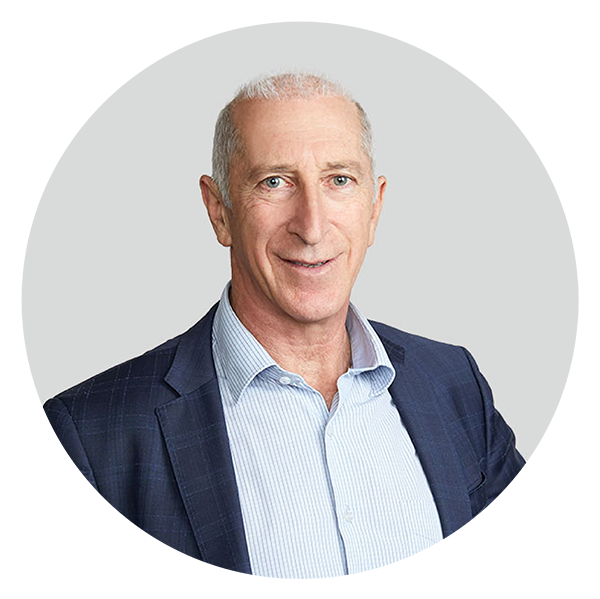
Dr Stephen Kleid,
Melbourne ENT Surgeon
MED0001052799
Dr Stephen Kleid is an experienced ENT Surgeon (Otolaryngologist) based in Melbourne with a passion for Septo-rhinoplasty, Septoplasty and a strong interest in Rhinoplasty Revision.
Qualifications
- AHPRA (Medical Board)
- MB, BS; FRACS (Fellow of the Royal Australasian College of Surgeons)
- AAFPS – Member of the Australasian Academy of Facial Plastic Surgery
- AAFPRS – (International Member of the American Academy of Facial Plastic and Reconstructive Surgeons)
Dr Kleid’s Procedures
Why Choose Dr Braham ?
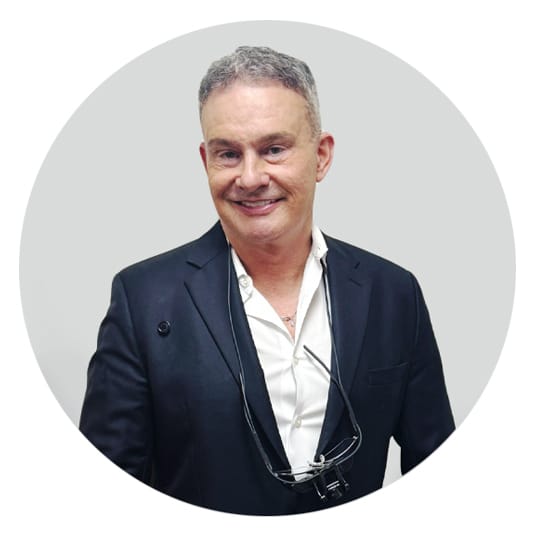
Dr Simon Braham,
Melbourne ENT Surgeon
MED0001144757
Dr Simon Braham MBBS (Hons) FRACS is an experienced Ear, Nose and Throat ENT Surgeon (Otolaryngologist) based in Melbourne, performing tonsil, grommet and sinus surgery for children & adults. He helps patients with breathing issues, snoring concerns and sleep disturbances.
Dr Braham’s Procedures
How can we help?
The Melbourne ENT Team takes pleasure in assisting you with any questions when considering a plastic surgery procedure. Please call the St Kilda East clinic in Melbourne between 9am – 5 pm on Weekdays.
What Next?

Want more information about your Procedure?
- Please read our website and blogs to find out more about your procedure and concerns
- For more information about pricing and payment methods, please visit our page on Surgery Payment Options.
- Talk to our Patient Care Team from 9 am to 5 pm Monday to Friday

What to Bring to Your Consultation
- We encourage you to bring a friend or family member to accompany you, as they can provide an extra perspective and support throughout the process.
- It is important to take thorough notes and carefully review all the documents provided to you.

How to Book a Consultation
- A referral from your GP or Specialist is necessary to see a surgeon for a consultation.
- Check the guide to consultation fees and payment for Melbourne ENT plastic surgeons.
- Please contact us to book your consultation.