

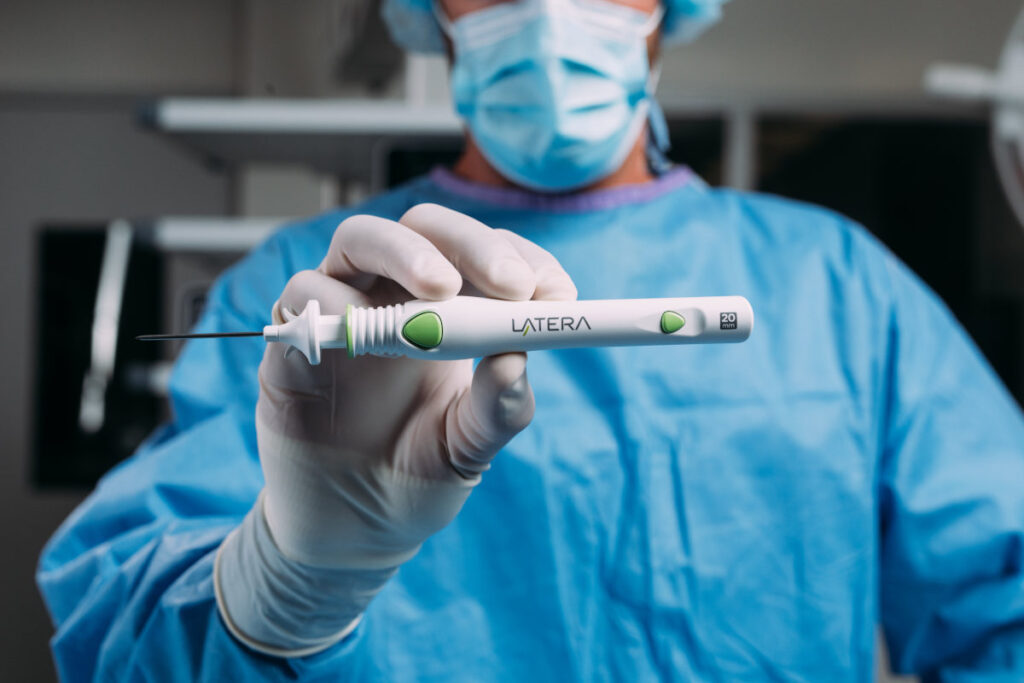
The Latera Nasal Implant is a groundbreaking, minimally invasive solution available at Melbourne ENT, located in St Kilda East, Victoria. Under the expert care of ENT and Head & Neck Surgeons Dr Stephen Kleid and Dr Simon Braham, this procedure targets nasal obstruction caused by nasal valve collapse. Unlike cosmetic nasal surgeries, the Latera implant is primarily functional, aimed at improving airflow and breathing through long-term structural support. While the focus is medical, patients may also notice cosmetic benefits due to improved nasal support. Melbourne ENT is dedicated to offering evidence-based care in a supportive and professional environment, ensuring that each patient receives tailored advice and treatment aligned with their individual needs.
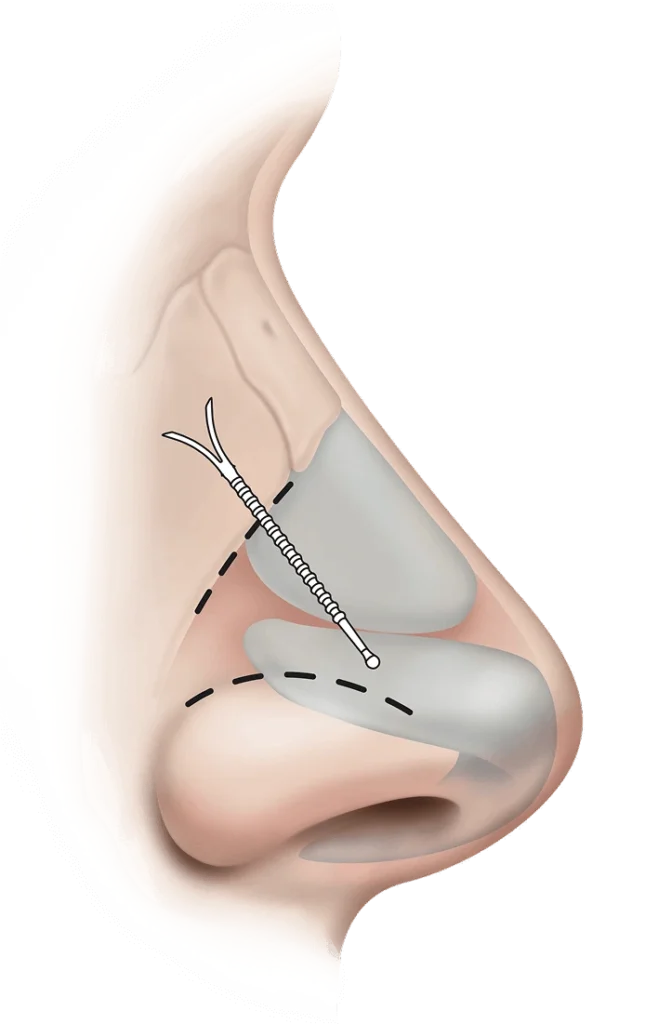
What is the Latera Nasal Implant?
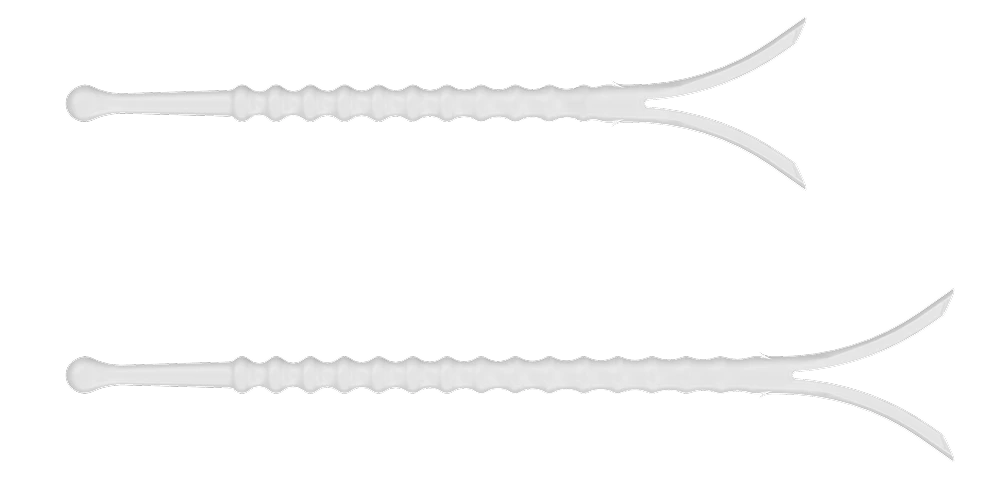
The Latera Nasal Implant is a dissolvable medical device placed just beneath the skin in the lateral wall of the nose to provide structural support. This innovative treatment addresses nasal valve collapse, one of the most common yet underdiagnosed causes of chronic nasal obstruction. The implant is composed of a bioresorbable polymer, commonly used in other surgical applications, and is safely absorbed by the body over approximately 18 months. During this period, the implant stimulates collagen production, leaving behind structural reinforcement that continues to support nasal airflow. The procedure helps patients who have struggled for years with breathing difficulties despite having tried medical treatments or previous nasal surgery. While its primary purpose is functional, some patients may observe a subtle adjustment in nasal contour and stability, which may assist with facial balance and symmetry. It is an elegant solution to a frustrating and often misunderstood anatomical issue.
Who Needs It (Candidates for Latera Nasal Implant)
The Latera Nasal Implant is suitable for patients experiencing persistent nasal obstruction not relieved by medication or other surgical approaches. Individuals may notice one or both nostrils collapsing inward when they breathe deeply, particularly during exercise or sleep. This inward collapse is a hallmark of nasal valve weakness. For those who have undergone septoplasty or turbinate reduction and continue to struggle with breathing, the cause may lie in valve insufficiency that was previously undiagnosed. Patients may have also tried nasal strips or internal devices for temporary relief and are seeking a more permanent solution. The implant is ideal for those looking for a minimally invasive procedure that offers long-term functional improvement without extensive recovery or cosmetic alteration. Patients who are medically fit, non-smokers, and have realistic expectations about the outcomes of the procedure tend to achieve the best results.
Benefits of Latera Nasal Implant
Patients undergoing the Latera procedure often report a noticeable and sustained improvement in nasal breathing, which can significantly address their overall quality of life. Breathing through the nose becomes easier both during the day and at night, leading to better sleep and increased energy levels. The implant stabilises the nasal sidewalls, preventing them from collapsing inward, which allows for more consistent and reliable airflow. Many individuals find that they no longer need to rely on nasal sprays, strips, or decongestants to maintain clear breathing. The procedure can also complement other nasal surgeries by addressing the specific issue of valve collapse that might otherwise limit the success of those interventions. Because it is minimally invasive, patients benefit from reduced downtime, minimal discomfort, and virtually no scarring. For some, improved nasal structure may subtly adjust nasal symmetry.
Consultation for Latera Nasal Implant
The consultation process at Melbourne ENT is thorough and patient-focused. When you visit our clinic, you will meet with either Dr Kleid or Dr Braham, who will take the time to understand your symptoms and concerns. A detailed history will be taken, including previous nasal surgeries, treatments attempted, and any other medical conditions that could influence treatment. A physical examination will be conducted, and your surgeon will use instruments such as a nasal endoscope to visualise the internal structures of your nose. Diagnostic techniques like the Cottle manoeuvre may be used to determine the presence and extent of valve collapse. Based on these findings, your surgeon will explain whether the Latera implant is appropriate and how it fits into a broader treatment plan. You will also have the opportunity to ask questions, discuss expectations, and review the potential risks and outcomes. This collaborative approach ensures that you are fully informed and reassured in your decision.
How is it Performed (Surgery for Latera Nasal Implant)
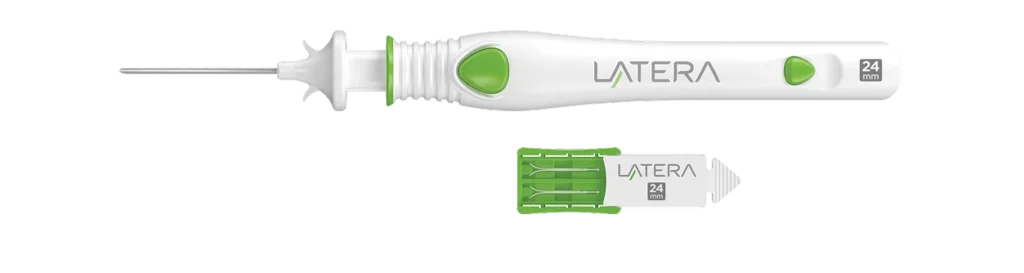
The Latera Nasal Implant procedure is efficient, comfortable, and patients are typically sedated. Using a specialised insertion device, the surgeon places the implant just beneath the skin of the lateral nasal wall. The placement is carefully planned to ensure optimal support while avoiding visible distortion. No external cuts or sutures are required, making it a virtually scar-free intervention. The procedure usually takes less than 30 minutes and is performed in a sterile, controlled environment. After the implant is placed, patients are monitored briefly before being discharged home. Because of the simplicity and minimally invasive nature of the procedure, most individuals can resume their usual activities very shortly thereafter. When combined with other nasal surgeries, the Latera implant complements broader anatomical corrections to maximise functional improvement.
Recovery After Latera Nasal Implant
Recovery following the Latera implant procedure is typically straightforward and well tolerated. Patients may notice mild tenderness or a sense of pressure at the site of the implant, but these sensations usually diminish within a few days. Swelling or bruising, if present, is generally minor and does not interfere with daily activities. Most people are able to return to work or routine responsibilities within 24 to 48 hours. While strenuous exercise should be avoided for about a week, light activities are usually well tolerated. It is important to follow postoperative instructions carefully, including avoiding nose blowing and excessive touching of the nasal area. The implant gradually becomes integrated with the surrounding tissues, and most patients begin to notice improved airflow within one to two weeks. Over the course of several months, the benefits continue to build as the body absorbs the implant and replaces it with supportive collagen. The final outcome is a stronger, more resilient nasal passage that allows for unobstructed breathing with minimal maintenance.
Risks and Complications of Latera Nasal Implant
Like any surgical intervention, the Latera procedure carries some risks, though these are generally mild and uncommon. Some patients may experience temporary discomfort, pressure, or a sensation of the implant within the nasal wall. These effects usually resolve as the body adjusts and tissue integration occurs. Minor bruising or swelling may develop but typically subsides within a few days. Although rare, there is a possibility of infection, which can usually be treated effectively with oral antibiotics. In some cases, the implant may shift or extrude necessitating removal, usually in these cases scar tissue holds the nasal valve open. Melbourne ENT takes every precaution to minimise these risks through meticulous planning, sterile technique, and patient education. During your consultation and postoperative visits, your surgeon will monitor your progress and address any concerns promptly. Understanding potential complications is an important part of the informed consent process and contributes to patient satisfaction and safety.
Cost of Latera Nasal Implant
The cost of undergoing the Latera implant procedure at Melbourne ENT is influenced by a variety of factors. These include the complexity of your nasal condition, the need for concurrent surgeries, and your eligibility for Medicare or private health insurance rebates. During your consultation, a detailed treatment plan will be developed, and a clear estimate of all associated costs will be provided. While exact fees cannot be quoted without an assessment, our administrative team is available to guide you through the financial aspects and answer any questions. We aim to provide transparency and reassurance so that patients feel at ease in their investment in improved health and well-being. For general fee guidance, please visit our Melbourne ENT pricing page.
Medicare Coverage and Insurance
When performed for functional indications such as nasal obstruction due to valve collapse, the Latera implant procedure is eligible for a Medicare item number 41768 or 41769. This can significantly reduce out-of-pocket expenses for patients who meet the criteria. Melbourne ENT will assist with the necessary documentation and provide detailed invoices to support your claim. Our team is experienced in navigating the complexities of insurance coverage and can liaise with providers to confirm your benefits. During your consultation, eligibility and rebate options will be discussed so that you can make informed decisions about your care. Patients are encouraged to contact their health fund in advance to clarify individual entitlements.
FAQs About the Latera Nasal Implant
Can I feel the implant inside my nose after the procedure?
Some patients report a mild awareness of the implant initially, often described as a slight internal pressure or sensation. However, as the implant integrates with the surrounding tissue, this feeling typically fades within a few weeks.
Will the implant affect how my nose looks from the outside?
The Latera implant is designed to support internal nasal structures without altering the visible shape of the nose. In some cases, there may be subtle improvements in contour if the sidewalls were previously collapsing, but it does not change nasal appearance in a noticeable way.
Can the Latera implant be used if I’ve already had a rhinoplasty or septoplasty?
Yes, the Latera implant is often used to address residual nasal obstruction after previous nasal surgeries. It can be safely placed in patients who have undergone septoplasty, turbinate reduction, or rhinoplasty, provided the nasal anatomy is suitable.
How long does it take before I notice breathing improvements?
Most patients begin to notice improved airflow within one to two weeks, with full benefits becoming evident over a period of several months as tissue integration occurs and the nasal wall stabilises.
Can I undergo this procedure if I have seasonal allergies or sinus issues?
Yes, the Latera implant is compatible with conditions like allergic rhinitis or chronic sinusitis. It does not interfere with medical treatment for these conditions and may even improve airflow, making other treatments more effective.
What happens if the implant dissolves – will my symptoms come back?
The implant is designed to stimulate collagen production as it dissolves, which reinforces the nasal structure permanently. Once fully absorbed, the newly formed tissue typically maintains the benefit, and symptoms do not usually return.
Is the implant visible on scans like MRI or CT?
The Latera implant is made from a bioresorbable polymer that may appear faintly on imaging in the early stages. It generally does not interfere with scans and is not a long-term visibility concern once fully absorbed.
Medical References
- Effectiveness of using a bioabsorbable implant (Latera) to treat nasal valve collapse in patients with nasal obstruction: systematic review and meta‐analysis
https://onlinelibrary.wiley.com/doi/abs/10.1002/alr.22543 - Long-Term Follow-up from the Treatment and Crossover Arms of a Prospective, Multicenter, Randomized, Sham-Controlled Trial of the Latera Absorbable Nasal Implant
https://pmc.ncbi.nlm.nih.gov/articles/PMC9763033/ - Assessment of bioabsorbable implant treatment for nasal valve collapse using patient-reported outcome measures
https://pmc.ncbi.nlm.nih.gov/articles/PMC6771676/ - Latera absorbable nasal implant clinical policy and evidence review (AmeriHealth Caritas Ohio)
https://www.amerihealthcaritasoh.com/content/dam/amerihealth-caritas/acoh/pdf/provider/resources/clinical/policies-20250703/ccp1441-latera-absorbable-nasal-implant.pdf.coredownload.inline.pdf - Comparison of Nasal Obstruction Symptom Evaluation Score for Autologous Cartilage Grafts and Latera Implants for Nasal Valve Repair
https://journals.sagepub.com/doi/abs/10.1177/00034894221121405 - All-cause claims analysis of the Latera absorbable nasal implant versus surgical repair of nasal valve collapse
https://www.tandfonline.com/doi/full/10.1080/13696998.2024.2362046 - A comparison of an absorbable nasal implant versus functional rhinoplasty techniques for nasal valve collapse
- https://www.sciencedirect.com/science/article/abs/pii/S0196070921002192
Call to Action
Struggling with persistent nasal blockage or breathing issues? Discover how the Latera Nasal Implant at Melbourne ENT can restore your nasal airflow and improve your quality of life. Whether you have been dealing with symptoms for years or are seeking a second opinion after prior surgery, our experienced team is here to help. Book a consultation with Dr Stephen Kleid or Dr Simon Braham today. Call our clinic or visit the website to make an appointment and take the first step toward easier breathing, better sleep, and a healthier you.
Further Reading
- Read about Melbourne ENT’s Obstructive Sleep Apnoea – Causes & Solutions
- Read about Melbourne ENT’s Airway Rhinoplasty Melbourne
- Read about Melbourne ENT’s Nasal Congestion Melbourne
- Read about Melbourne ENT’s Nasal Polyps Melbourne
- View Melbourne ENT’s Before and After Photos