
Sleep apnoea surgery is an advanced procedure aimed at treating obstructive sleep apnoea (OSA), a condition where the airway repeatedly becomes blocked during sleep. This leads to fragmented sleep and poor oxygenation, contributing to fatigue, cardiovascular issues, and diminished quality of life. At Melbourne ENT, located in St Kilda East, Victoria, surgeries are performed by renowned ENT specialists Dr Simon Braham and Dr Stephen Kleid both Fellow of the Royal Australasian College of Surgeons (FRACS). The clinic prioritises functional improvement over cosmetic goals, ensuring tailored care with long-term health benefits. By combining decades of surgical expertise, modern diagnostic technology, and a patient-first approach, Melbourne ENT has become a trusted destination for individuals seeking comprehensive treatment for sleep-related breathing disorders. Their collaborative care model ensures that every patient receives an accurate diagnosis and a customised treatment plan.
What Is Sleep Apnoea Surgery?
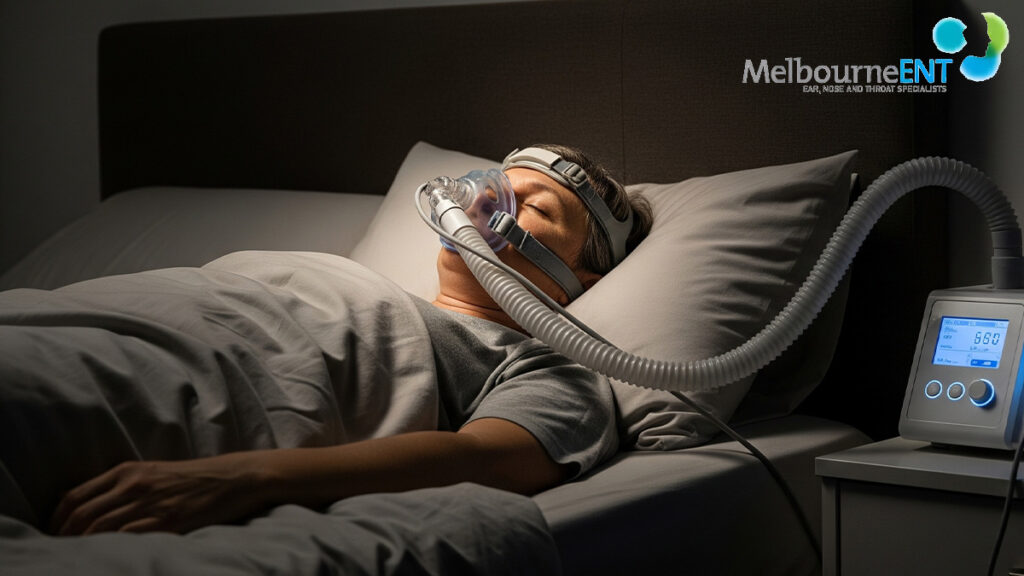
Sleep apnoea surgery includes a range of procedures that aim to widen the airway by removing or repositioning tissues in the nose, throat, soft palate, or tongue base. These interventions are designed to prevent airway collapse during sleep, thereby treating moderate to severe OSA and alleviating loud snoring. While CPAP remains the gold standard, surgery is an effective alternative or adjunct when non-invasive treatments fail. Nasal surgery can complement other device therapies such as CPAP or mandibular advancement splints. Techniques vary based on the patient’s anatomy and may involve single or multi-level airway modifications. These surgical options can provide a more permanent solution for patients who are intolerant of CPAP therapy or have not experienced sufficient improvement through other treatments. By directly addressing the anatomical causes of obstruction, surgery can lead to a significant reduction in the frequency and severity of apneic events, enhancing both sleep quality and overall health.
Who Needs Sleep Apnoea Surgery?
Sleep apnoea surgery is most suitable for individuals who suffer from moderate to severe OSA, particularly when non-surgical interventions have proven ineffective. Patients who find CPAP therapy intolerable due to discomfort, noise, or inconvenience often turn to surgical options as a more manageable and lasting solution. Anatomical factors such as a blocked nose, enlarged tonsils, an elongated or floppy soft palate, a recessed jaw, or excessive tongue bulk may significantly contribute to airway obstruction and can often be corrected through surgery. Individuals who experience chronic and disruptive snoring, especially when accompanied by witnessed apnoeas, daytime sleepiness, and fatigue, may benefit greatly from surgical intervention. Those with related health issues such as high blood pressure, heart disease, or obesity-linked breathing problems should also consider a comprehensive evaluation. Furthermore, patients who are committed to following post-operative care instructions and who have realistic expectations about recovery and outcomes are excellent candidates for these procedures. At Melbourne ENT, each patient undergoes a thorough consultation and diagnostic workup to ensure that surgery is an appropriate and beneficial option.
Benefits of Sleep Apnoea Surgery
The benefits of sleep apnoea surgery can be profound, extending beyond improved sleep to encompass numerous aspects of physical and mental health. One of the most immediate advantages is enhanced airflow during sleep, which leads to fewer interruptions in breathing and more stable oxygen levels throughout the night. This can result in a dramatic improvement in daytime alertness, reduced fatigue, and increased energy levels, allowing patients to function more effectively at work and in daily life. Long-term benefits often include lower blood pressure, decreased risk of cardiovascular events including high blood pressure, heart attacks, strokes and dementia. For many, surgery leads to significant reduction or complete resolution of loud snoring, which can positively impact relationships and enhance the sleep quality of partners. Improved sleep also supports better memory, mood stability, and mental clarity, contributing to a greater overall quality of life. For patients previously reliant on CPAP therapy, surgery can provide freedom from nightly equipment use, offering a more natural and convenient path to restorative sleep. While not guaranteed in all cases, the possibility of reducing or eliminating CPAP dependence is a major motivating factor for many individuals seeking surgical solutions.
Consultation for Sleep Apnoea Surgery
During your initial consultation at Melbourne ENT, expect a comprehensive and personalised assessment designed to uncover the underlying causes of your sleep-disordered breathing. The appointment begins with an in-depth review of your medical history, including any existing sleep study results, past treatments, and general health factors that may influence surgical planning. The specialist will evaluate your current symptoms, such as snoring patterns, daytime fatigue, and any cardiovascular concerns, to build a clear clinical picture. A thorough physical examination follows, including inspection of the throat, nasal passages, soft palate, and tongue using an endoscopy to view the dynamic behaviour of the airway during simulated breathing. If necessary, additional imaging such as CT scans to plan surgery. Based on the findings, your surgeon will present a tailored treatment plan, explaining each surgical option and the likely outcomes. This collaborative planning process ensures your goals are aligned with the recommended intervention and that you understand all aspects of the proposed care pathway, including preparation, recovery, and long-term expectations.
How Is Sleep Apnoea Surgery Performed?
Sleep apnoea surgery is performed under general anaesthetic to ensure patient comfort and optimal surgical precision. Depending on the complexity of the procedure, surgery is conducted either in a day surgery setting or may require a short overnight hospital stay. Pre-operative instructions will be provided to ensure patients are fully prepared, including fasting requirements and medication management. Several surgical approaches may be used based on individual anatomy and obstruction levels. Nasal procedures include Airway rhinoplasty septoplasty Fess and or turbinate reduction. The uvulopalatopharyngoplasty (UPPP) is a common procedure involving removal of excess tissue from the uvula, soft palate, and pharyngeal walls. Tonsillectomy is often performed concurrently if the tonsils are significantly enlarged. Other procedures may include palatal stiffening through radiofrequency or the placement of implants to support soft tissue integrity. In cases involving tongue base collapse tongue channeling is the preferred first line treatment. These operations may be performed individually or in combination, depending on the severity and distribution of airway obstruction and patient safety. Most procedures take one to three hours, and patients are monitored closely in recovery to manage pain and ensure airway stability before discharge.
Recovery After Sleep Apnoea Surgery
Recovery from sleep apnoea surgery varies depending on the specific procedures performed and the individual patient’s health status. In the initial days following surgery, patients may experience significant throat discomfort, swelling, and difficulty swallowing. Pain is typically managed with prescribed analgesics by your anesthetist, and a liquid or soft food diet is recommended to minimise irritation. Rest is essential during this period, with patients advised to avoid strenuous activities and to prioritise hydration and sleep. As the first week progresses, symptoms gradually improve, and many patients begin to resume light activities. By the third or fourth week, most individuals can return to a normal diet and increase physical activity, although ongoing sensitivity in the surgical area may persist. Full recovery is usually achieved within six weeks, at which point a follow-up appointment is scheduled to assess healing and determine the need for post-operative sleep studies. These tests help evaluate the surgery’s effectiveness in reducing apneic episodes. Patients previously on CPAP may be re-evaluated to see if adjustments or discontinuation are appropriate. Adhering to post-operative instructions significantly enhances recovery outcomes and ensures the best possible results. The team will be available to help you through the recovery process and you will be given a 24 hour number to call with any concerns. Your anaethetist will be available to help with any pain medication related issues.
Risks and Complications of Sleep Apnoea Surgery
While sleep apnoea surgery is generally safe and performed by experienced surgeons at Melbourne ENT, all surgical procedures carry inherent risks. The most common side effects include pain, particularly when swallowing, which can last for one to two weeks. Temporary nasal regurgitation may occur if the soft palate is involved, but this typically resolves as the tissues heal. Some swelling and bruising in the surgical area are normal and usually subside within the first ten days. Less commonly, complications such as post-operative bleeding or infection can arise, requiring prompt medical attention. In rare cases, patients may experience airway narrowing due to scar tissue or changes in voice quality resulting from soft palate alterations. Velopharyngeal insufficiency, where the soft palate fails to close properly against the back of the throat, may also occur but is usually temporary. There is also a small risk that the surgery may not fully resolve the OSA or may require additional interventions. Melbourne ENT provides every patient with a detailed pre-operative briefing outlining potential risks and ensures rigorous safety measures are followed throughout the surgical and recovery process to minimise complications and promote successful outcomes.
Cost of Sleep Apnoea Surgery
The cost of sleep apnoea surgery can vary widely based on several factors, including the type of procedure performed, the complexity of the case, and the chosen surgical facility. Costs may include the surgeon’s fee, hospital charges and anesthetist fees. Patients undergoing multiple or combined procedures may incur higher expenses due to extended operating time and additional resources. Melbourne ENT is committed to transparency and will provide a comprehensive cost estimate tailored to each patient’s needs during the consultation process. While exact figures cannot be provided online, the clinic offers a general Costs and Fees information sheet to assist with budgeting. The administrative team is available to discuss payment plans and to help patients understand the financial aspects of their treatment. Understanding potential expenses upfront helps patients make informed decisions and avoid unexpected costs.
Medicare Coverage and Insurance
Sleep apnoea surgeries are recognised under Medicare and are assigned specific item numbers, making them eligible for partial rebates. The extent of Medicare coverage depends on the procedure’s classification, number of procedures performed and medicare schedule item numbers. For patients with private health insurance, a significant portion of hospital and anaesthetic costs may be covered under the relevant ENT categories. However, individual policies vary, and patients are strongly encouraged to check with their insurer regarding coverage for inpatient stay. Melbourne ENT assists patients by providing the relevant Medicare item numbers and supporting documentation needed for claims and pre-approvals. By working closely with your health fund, the clinic ensures that you are fully informed about your entitlements and any potential out-of-pocket expenses. This collaborative approach allows patients to proceed with treatment confidently, knowing that financial and logistical aspects have been carefully considered and addressed.
Why Choose Melbourne ENT for Sleep Apnoea Surgery
Choosing Melbourne ENT means entrusting your care to one of Melbourne’s most respected ENT surgeons. Dr Simon Braham, whose advanced training in ENT surgery has been shaped by fellowships in New York and Boston, leads the team with a unique blend of precision and patient-centred care. The practice is based in St Kilda East, Victoria, and offers state-of-the-art facilities designed for optimal patient comfort and care. Patients benefit from a multidisciplinary approach that includes advanced diagnostic imaging, collaboration with sleep specialists, and a strong emphasis on follow-up care. The team prioritises clear communication, shared decision-making, and personalised treatment planning to ensure the best outcomes. With a strong track record of successful surgeries and patient satisfaction, Melbourne ENT has become a leading choice for individuals seeking long-term relief from sleep apnoea and its associated health challenges.
FAQs About Sleep Apnoea Surgery
Can sleep apnoea surgery improve symptoms beyond sleep, like morning headaches or concentration issues?
Yes. Many patients report a reduction in morning headaches and improved focus and cognitive clarity post-surgery due to better oxygenation and uninterrupted sleep cycles.
Will my voice or swallowing feel different after sleep apnoea surgery?
It’s possible to notice temporary changes in voice tone or swallowing function. These usually improve as swelling subsides and tissues heal over the first few weeks.
How do I know if my sleep apnoea is caused by anatomical obstruction versus other causes?
Dr Simon Braham performs a thorough physical and endoscopic evaluation, often supported by imaging and sleep study review, to determine whether anatomical blockage is a key factor in your condition.
If I’ve had my tonsils removed as a child, does that affect my eligibility for surgery now?
Not necessarily. Even without tonsils, other structures like the soft palate, uvula, or tongue base might be contributing to obstruction and can still be surgically addressed.
Can treating sleep apnoea surgically help with weight management?
While not a weight-loss procedure, improving sleep can enhance energy levels, reduce fatigue, and support better metabolic function, which may indirectly help with weight regulation.
Is sleep apnoea surgery only for people who snore loudly?
No. Loud snoring is a common symptom, but surgery is aimed at treating the underlying airway obstruction, which can exist even in patients who snore minimally or not at all.
How does Dr Braham determine which surgical technique is right for me?
He considers a range of factors including your anatomy, endoscopic findings, sleep study data, lifestyle, medical history, and goals before recommending a personalised surgical plan tailored to your specific needs.
Medical References
- Sleep Surgery Clinic – Overview. Mayo Clinic. https://www.mayoclinic.org/departments-centers/sleep-surgery-clinic/overview/ovc-20469499
- Sleep Apnea Surgery Clinic – Department of Otorhinolaryngology. Mayo Clinic. https://www.mayo.edu/research/departments-divisions/department-otorhinolaryngology/divisions/facial-plastic-reconstructive-surgery/sleep-apnea-surgery-clinic
- Sleep Apnea – La Crosse, Wisconsin. Mayo Clinic Health System. https://www.mayoclinichealthsystem.org/locations/la-crosse/services-and-treatments/otorhinolaryngology/throat-conditions-and-treatment/sleep-apnea
- Snoring, Sleep Apnea – Mankato. Mayo Clinic Health System. https://www.mayoclinichealthsystem.org/locations/mankato/services-and-treatments/otorhinolaryngology/pediatric-ent-conditions/snoring-and-sleep-apnea
- Sleep Apnea Clinical Trials. Mayo Clinic Research. https://www.mayo.edu/research/clinical-trials/diseases-conditions/sleep-apnea
- Sleep apnea – Symptoms and causes. Mayo Clinic. https://www.mayoclinic.org/diseases-conditions/sleep-apnea/symptoms-causes/syc-20377631
- Obstructive Sleep Apnea – Mayo Clinic. (YouTube Video). https://www.youtube.com/watch?v=z12MEPiG4cg
Call to Action (CTA)
Don’t let sleep apnoea continue to affect your health, mood, and quality of life. If you or someone you care about struggles with persistent snoring or suspected sleep apnoea, the team at Melbourne ENT is here to help. Book a consultation with Dr Simon Braham to explore your surgical options, receive a thorough evaluation, and take the first step toward restorative sleep. Our clinic is conveniently located in St Kilda East, Victoria, and serves patients throughout Melbourne and beyond. We also offer Telehealth consultations for those outside the metropolitan area, ensuring that expert care is accessible wherever you are.
To schedule an appointment with Dr Simon Braham, call (03) 9038 1311 or reach out via our contact page.
Take control of your sleep health and experience the difference expert ENT care can make.
Further Reading
- Read about Melbourne ENT’s Surgery Page on Airway Rhinoplasty Melbourne
- Read about Melbourne ENT’s ENT Concerns Page
- Read about Melbourne ENT’s Sleep Disturbance
- Read about Melbourne ENT’s Using the STOP-BANG Questionnaire to assess Sleep Apnoea & OSA
- Read about Melbourne ENT’s Snoring Surgery