

Adenoidectomy, or adenoid removal surgery, is a popular ENT procedure at Melbourne ENT in St Kilda East, Victoria. The clinic is led by Dr Stephen Kleid and Dr Simon Braham, two highly respected ENT and Head & Neck Surgeons, both Fellows of the Royal Australasian College of Surgeons (FRACS).
At Melbourne ENT, adenoidectomy is performed with meticulous attention to patient safety and comfort, offering relief from chronic nasal and ear conditions. This procedure is typically recommended for functional, not cosmetic, reasons and is especially common in paediatric patients. By addressing conditions related to airway obstruction, ear pressure, and sleep disturbances, this surgery plays a vital role in enhancing everyday life and development, especially in growing children.
What Is An Adenoidectomy?
An Adenoidectomy is a surgical procedure to remove the adenoids, which are a patch of lymphatic tissue located at the back of the nasal cavity, just above the roof of the mouth. While adenoids help fight infection in young children, they can become enlarged or chronically infected, leading to a range of health issues. As they become hypertrophic, adenoids can physically obstruct the nasal passages, interfere with Eustachian tube function, and contribute to chronic snoring, mouth breathing and disrupted sleep.
Adenoidectomy is considered a functional surgery that addresses physical symptoms. It is often recommended in conjunction with other procedures, such as tonsillectomy or grommet insertion, especially in children. These combined procedures are commonly performed during the same surgical session to reduce multiple anaesthetic exposures and recovery times.
Who Needs It (Candidates For Adenoidectomy)

Adenoidectomy is most frequently recommended for children, but in some cases, adults with persistent ENT problems may also benefit. Children with significantly enlarged adenoids often present with chronic nasal obstruction, resulting in habitual mouth breathing, nasal speech, and disrupted sleep patterns. They may also suffer from snoring or pauses in breathing during sleep, indicating obstructive sleep apnoea. These symptoms can interfere with concentration, school performance, and behaviour. Chronic mouth breathing can lead to midfacial growth abnormalities and long term cosmetic issues (adenoidal faces).
Another common group of candidates includes those with recurrent or chronic middle ear infections or glue ear. The adenoids can block the Eustachian tubes, leading to fluid buildup in the middle ear, impairing hearing and affecting speech development. Children with persistent sinus infections that do not respond to medication may also benefit from adenoid removal.
Adults are less likely to need adenoidectomy, but in rare cases, those with chronic nasal blockage, sinus pressure, or sleep-related breathing disorders that have not improved with medical treatment may be considered for surgery.
Benefits Of Adenoidectomy
Adenoidectomy offers a wide range of functional health benefits. The most immediate advantage is improved nasal airflow. Children who previously relied on mouth breathing may begin to breathe freely through their nose, reducing the risk of dry mouth, speech issues, and dental complications. In cases where adenoids contributed to blocked Eustachian tubes, removal can lead to fewer ear infections and improved hearing, often without the need for repeated antibiotic use.
Children with sleep-disordered breathing may experience longer, more restful sleep with fewer interruptions. This can have a ripple effect on their mood, behaviour, energy levels, and academic performance. Chronic sinus issues may also resolve following the procedure, leading to fewer days missed from school or work and a reduced dependency on nasal sprays or medications.
Over the long term, adenoidectomy contributes to better ENT health, reducing the need for recurrent doctor visits and enhancing overall quality of life for both the patient and their family.
Consultation For Adenoidectomy
An initial consultation at Melbourne ENT is an important step in the treatment process. It typically begins with a comprehensive discussion of the patient’s symptoms, history of infections, breathing issues, sleep patterns, and any treatments previously tried. Our surgeons then conduct a careful physical examination of the nose, mouth, and throat. In children, this often includes observing breathing habits and speech.
Depending on the complexity of symptoms, additional diagnostic tools may be used, such as nasal endoscopy to directly visualise the adenoids, or hearing tests if middle ear problems are suspected. In children with signs of sleep apnoea, further investigations, including a sleep study, might be recommended to fully assess the severity of airway obstruction.
The consultation also provides time to answer all your questions and discuss whether surgery is the most appropriate next step. If surgery is recommended, our team explains the procedure in detail and provides a clear pre-operative plan, including what to expect during recovery.
How Is It Performed (Surgery For Adenoidectomy)
Adenoidectomy at Melbourne ENT is performed in accredited private hospitals, using advanced techniques to ensure safety and minimal discomfort. The operation is carried out under general anaesthesia, meaning the patient is fully asleep and pain-free throughout the procedure. No incisions are made on the face or neck; the surgeon accesses the adenoids through the mouth using specialised instruments.
During the operation, the adenoids are removed using a technique suited to the patient’s age, anatomy, and the extent of tissue overgrowth. Methods such as curettage (scraping), suction diathermy (controlled heat), or coblation (a gentle radiofrequency tool) may be used to remove the tissue and control bleeding. The entire procedure usually takes around 20 to 30 minutes.
Once complete, the patient is monitored in recovery and usually discharged home the same day. For patients undergoing multiple procedures, such as tonsillectomy or grommet insertion, the total time under anaesthetic is adjusted to ensure safe and efficient care.
Recovery After Adenoidectomy
Most children and adults recover quickly after adenoidectomy. In the first few days, it is normal to experience a sore throat, nasal congestion, or a mild fever. Some children may have bad breath or a nasal voice temporarily, which improves as healing progresses. Discomfort is usually mild and can be managed with standard pain relief, such as paracetamol.
Eating and drinking should resume within a day or two, with soft, cool foods initially preferred. Children are typically ready to return to daycare, kindergarten, or school within three to five days, depending on their comfort level. Full healing of the surgical site generally occurs within one to two weeks.
Our team provides thorough aftercare instructions, including how to reduce the risk of infection, recognise warning signs, and schedule a follow-up visit. Recovery is usually smooth, and most patients report a noticeable improvement in their breathing and sleep within a short time.
Risks And Complications Of Adenoidectomy
As with all surgical procedures, adenoidectomy carries some risks, although serious complications are rare. Minor bleeding can occur during or shortly after the procedure but is typically well controlled during surgery. Infection is uncommon and may present with fever, worsening pain, or unusual discharge, which can be managed with antibiotics if needed.
Some patients may experience a temporary change in their voice, often sounding more nasal while healing. A rare complication known as velopharyngeal insufficiency can occur, where the soft palate does not close properly against the throat, affecting speech. This is usually temporary and resolves as the tissues heal.
In rare cases, if the symptoms were caused by multiple anatomical factors, adenoidectomy alone may not fully resolve the issue. In such instances, further investigation or additional procedures may be required. At Melbourne ENT, we take every precaution to minimise these risks and support patients through a smooth and safe recovery.
Cost Of Adenoidectomy
The cost of adenoidectomy can vary depending on the complexity of the case and whether other procedures are performed at the same time. Hospital fees, anaesthetic services, and specialist surgeon fees all contribute to the overall cost. If you have private health insurance, your coverage will influence the final out-of-pocket amount.
During your consultation, we will provide a personalised estimate and guide you through the financial aspects of care. Melbourne ENT is committed to transparency, and our administrative team is happy to assist with any billing or insurance queries. A general overview of pricing and funding pathways is available on our Fees page.
Medicare Coverage And Insurance
Adenoidectomy is generally classified as a medically necessary procedure, which means it is eligible for Medicare rebates and is typically covered by private health insurance when performed in a hospital setting. This is especially true when the procedure is indicated for chronic infections, breathing difficulties, or hearing problems.
The procedure qualifies for Medicare item number 41801 , which help reduce costs significantly when billed through participating hospitals and anaesthetists. Our clinic staff will guide you through checking your insurance entitlements, ensuring that all appropriate claims are submitted accurately and efficiently.
We also help identify when item numbers apply for combined procedures such as adenoidectomy with tonsillectomy or grommet insertion, making the process seamless for families and individuals navigating the healthcare system.
Why Choose Your Surgeon
When considering adenoidectomy, selecting an experienced and compassionate surgical team is crucial. At Melbourne ENT, our surgeons are recognised leaders in their field.
Dr Stephen Kleid brings more than 35 years of ENT surgical experience, with expertise spanning paediatric ENT, sleep apnoea surgery, and complex nasal procedures. His roles at Peter MacCallum Cancer Centre and leading Melbourne hospitals convey his depth of skill and commitment to patient outcomes.
Dr Simon Braham offers a wealth of experience in both paediatric and adult ENT surgery, with additional training in advanced nasal and ear procedures. His public appointments and dedication to teaching reflect his well-rounded approach to surgical care and education.
Our team prioritises open communication, evidence-based practice, and holistic support. We work with each family or individual to ensure that decisions are made collaboratively and that patients feel informed, supported, and reassured throughout their care journey.
“We treat every patient like family, so they understand the process and feel reassured and included in their care.” – Dr Simon Braham
With a focus on both short-term results and long-term health, Melbourne ENT is a trusted provider of adenoidectomy and related procedures.
FAQs About Adenoidectomy
What are signs that my child’s adenoids might be affecting their behaviour or concentration?
Children with enlarged adenoids may struggle with disrupted sleep, mouth breathing, or frequent ear infections, which can result in poor concentration, fatigue, and behavioural changes during the day.
Could persistent nasal speech mean my child’s adenoids are enlarged?
Yes, nasal speech can occur when the enlarged adenoids obstruct airflow through the nose. If the sound of your child’s voice is persistently nasal, it may indicate the need for evaluation.
Is it normal for snoring to continue after an adenoidectomy?
While many children experience significant improvement in snoring, other factors such as enlarged tonsils or nasal congestion can also contribute. Persistent snoring after surgery should be reviewed by your ENT specialist.
Can adenoid regrowth happen, and how would I know if it did?
In rare cases, adenoid tissue can regrow, especially in very young children. Signs of regrowth may include the return of nasal obstruction, snoring, or ear problems.
How does adenoidectomy influence ear infections and fluid buildup?
Removing the adenoids can improve Eustachian tube function and reduce the frequency of ear infections or glue ear, particularly when paired with grommet insertion.
What non-surgical options are explored before recommending adenoid removal?
ENT specialists may recommend nasal sprays, allergy management, and a period of monitoring before suggesting surgery. Only persistent or severe symptoms generally lead to the recommendation for adenoidectomy.
Does removing the adenoids impact the immune system long-term?
The adenoids are part of the immune system, but their removal does not weaken immunity. Other lymphatic tissues, like the tonsils and lymph nodes, continue to provide immune support after surgery.
Sources:
- Adenoidectomy as day surgery: feasibility and outcomes – Acta Otorhinolaryngologica Italica
https://www.actaitalica.it/article/view/1304 - Long-term effects of adenoidectomy and tonsillectomy on frequency and severity of acute respiratory infections in children: a systematic review – International Journal of Research in Medical Sciences
https://www.msjonline.org/index.php/ijrms/article/view/14201 - A Surgical Hazard During Adenoidectomy in Children—A Case Report – Children (MDPI)
https://www.mdpi.com/2227-9067/12/2/139 - Adenoidectomy – StatPearls – NCBI Bookshelf
https://www.ncbi.nlm.nih.gov/books/NBK535352/ - Tonsillectomy and Adenoidectomy – StatPearls – NCBI Bookshelf
https://www.ncbi.nlm.nih.gov/books/NBK536942/ - Medical treatment does not reduce surgery rates in children with adenoid hypertrophy – ScienceDirect
https://www.sciencedirect.com/science/article/abs/pii/S0165587623004032 - Impact of Adenoidectomy and Tonsillectomy on quality of life among pediatric patients: a prospective study – Journal of Clinical and Cosmetic Practice
https://www.jccpractice.com/article/impact-of-adenoidectomy-and-tonsillectomy-on-quality-of-life-among-pediatric-patients-a-prospective-study–999/
Contact Us Today
To book your consultation or learn more about adenoidectomy, please contact Melbourne ENT. You can reach Dr Stephen Kleid by calling (03) 9038 1630 or Dr Simon Braham at (03) 9038 1311.
We welcome both paediatric and adult patients and offer flexible appointment times in different locations to suit your needs. Our team is here to support you every step of the way, from diagnosis through to recovery and beyond.
Further Reading
- Read about Melbourne ENT’s Palatoplasty Procedure
- Read about Melbourne ENT’s Microlaryngoscopy Procedure
- Read about Melbourne ENT’s Adenotonsillectomy Melbourne
- Read about Melbourne ENT’s Tonsil Surgery for Kids in Melbourne
- Read about Melbourne ENT’s Adult Tonsil Surgery Melbourne
Why Choose Dr Kleid ?
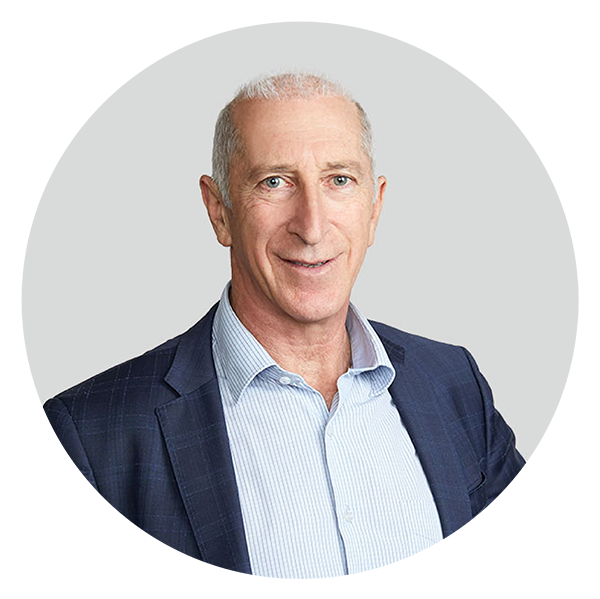
Dr Stephen Kleid,
Melbourne ENT Surgeon
MED0001052799
Dr Stephen Kleid is an experienced ENT Surgeon (Otolaryngologist) based in Melbourne with a passion for Septo-rhinoplasty, Septoplasty and a strong interest in Rhinoplasty Revision.
Qualifications
- AHPRA (Medical Board)
- MB, BS; FRACS (Fellow of the Royal Australasian College of Surgeons)
- AAFPS – Member of the Australasian Academy of Facial Plastic Surgery
- AAFPRS – (International Member of the American Academy of Facial Plastic and Reconstructive Surgeons)
Dr Kleid’s Procedures
Why Choose Dr Braham ?
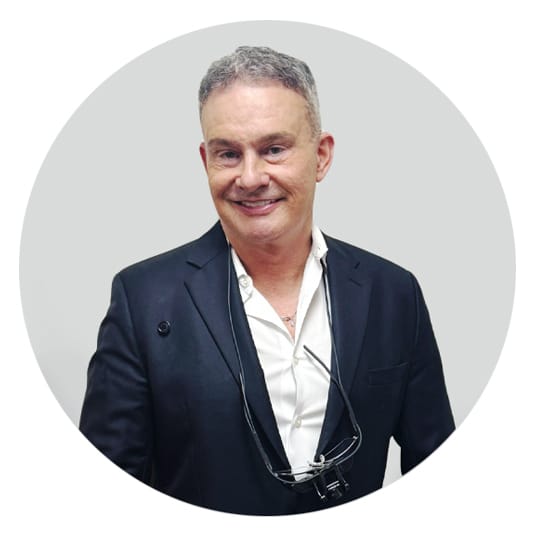
Dr Simon Braham,
Melbourne ENT Surgeon
MED0001144757
Dr Simon Braham MBBS (Hons) FRACS is an experienced Ear, Nose and Throat ENT Surgeon (Otolaryngologist) based in Melbourne, performing tonsil, grommet and sinus surgery for children & adults. He helps patients with breathing issues, snoring concerns and sleep disturbances.
Dr Braham’s Procedures
How can we help?
The Melbourne ENT Team takes pleasure in assisting you with any questions when considering a surgery procedure. Please call the St Kilda East clinic in Melbourne between 9am – 5 pm on Weekdays.
What Next?

Want more information about your Procedure?
- Please read our website and blogs to find out more about your procedure and concerns
- For more information about pricing and payment methods, please visit our page on Surgery Payment Options.
- Talk to our Patient Care Team from 9 am to 5 pm Monday to Friday

What to Bring to Your Consultation
- We encourage you to bring a friend or family member to accompany you, as they can provide an extra perspective and support throughout the process.
- It is important to take thorough notes and carefully review all the documents provided to you.

How to Book a Consultation
- A valid medical referral from your GP or Specialist is necessary to see a surgeon for a consultation.
- Check our pricing page
- Please contact us to book your consultation.