


At Melbourne ENT, based in St Kilda East, we understand that restful sleep is fundamental to both physical and mental health. Many people silently endure chronic tiredness, poor focus, and low mood without realising their disrupted sleep could be due to underlying ENT-related causes. Whether it’s persistent snoring, obstructive sleep apnoea, mouth breathing, dry mouth necessitating drinking water at night then going to the toilet or structural nasal blockages, our experienced ENT surgeons – Dr Simon Braham and Dr Stephen Kleid – specialise in diagnosing and treating the conditions that interrupt healthy sleep. Our clinic offers tailored, evidence-based care, combining advanced diagnostics with surgical and non-surgical treatment options to help you reclaim uninterrupted, restorative rest.
What is Sleep Disturbance?
Sleep disturbance refers to any condition that interferes with the body’s ability to achieve and maintain deep, restful sleep. It encompasses a wide range of issues – from difficulties falling asleep, to frequent nighttime awakenings, to feeling unrefreshed despite a full night in bed. In ENT practice, sleep disturbance is often linked to physical obstructions that affect breathing, such as nasal congestion, throat tissue collapse, or enlarged tonsils and adenoids. These disruptions are more than just inconvenient; they can have far-reaching effects on your cardiovascular system, metabolism, immune response, and mental health. By identifying the ENT-related root causes of sleep problems, we help patients move from chronic fatigue to sustainable recovery.
Common Symptoms of Sleep Disturbance
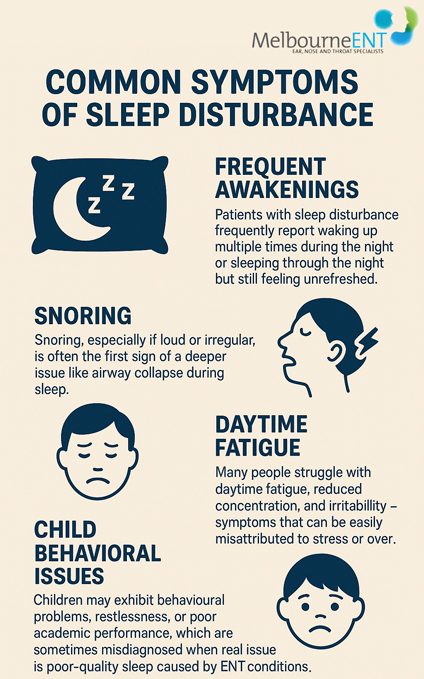
Patients with sleep disturbance frequently report waking up multiple times during the night or sleeping through the night but still feeling unrefreshed. Snoring, especially if loud or irregular, is often the first sign of a deeper issue like airway collapse during sleep. Morning headaches, dry mouth, and throat irritation may also indicate disrupted breathing overnight. Many people struggle with daytime fatigue, reduced concentration, and irritability – symptoms that can be easily misattributed to stress or overwork. Children may exhibit behavioural problems, restlessness, or poor academic performance, which are sometimes misdiagnosed when the real issue is poor-quality sleep caused by ENT conditions. Understanding these patterns is the first step toward effective treatment.
Who is Affected by Sleep Disturbance?
Sleep disturbance can affect individuals at every stage of life. Adults, particularly middle-aged men, are commonly diagnosed with obstructive sleep apnoea, but women, especially post-menopause, are also vulnerable due to physiological changes. Children with enlarged tonsils or adenoids often suffer from undiagnosed sleep disturbance, which may present as hyperactivity or daytime sleepiness. People with nasal conditions such as a deviated septum, chronic rhinitis, or sinusitis may find it difficult to breathe properly during sleep, leading to poor rest. Environmental triggers, including allergens, pollution, and lifestyle habits, can worsen symptoms. Even athletes and otherwise healthy individuals can develop sleep issues if anatomical factors interfere with nighttime breathing.
Diagnosis and Evaluation at Melbourne ENT
At Melbourne ENT, we approach sleep disturbance with a detailed and personalised evaluation. The process begins with a comprehensive consultation, where we take a thorough history of your sleep patterns, general health, and daily symptoms. This is followed by a physical examination focusing on the nose, throat, and airway structures. Many patients undergo a nasal endoscopy – an in-office procedure that uses a fine, flexible camera to examine internal nasal and pharyngeal anatomy. When sleep apnoea is suspected, we may refer patients for a sleep study (polysomnography), which measures breathing interruptions, oxygen levels, and sleep depth. Questionnaires like the Epworth Sleepiness Scale may also be used to assess how daytime fatigue is affecting your quality of life. With this multi-step approach, we ensure that any contributing ENT factors are clearly identified.
Treatment Options for Sleep Disturbance
Our treatment plans are designed to address each patient’s specific condition, with a balance of medical management and, when necessary, surgical intervention. For those with allergy-related nasal congestion or mild symptoms, we often begin with intranasal sprays, antihistamines, or decongestants. For patients diagnosed with obstructive sleep apnoea, continuous positive airway pressure (CPAP) therapy or oral appliances may be prescribed. When structural issues are the root cause, surgical options provide long-term relief. These include septoplasty to correct a deviated septum, turbinoplasty to reduce swollen turbinates, FESS to clear sinus problems, and adenoidectomy or tonsillectomy for children with airway obstruction. For more complex cases of snoring or sleep apnoea, procedures like uvulopalatopharyngoplasty or barbed reposition pharyngoplasty are available to reshape the soft palate and throat tissues, reducing airway collapse during sleep.
When is Surgery Recommended?
Surgical intervention is considered when conservative therapies such as CPAP, nasal sprays, or lifestyle changes do not produce meaningful improvements. In many cases, structural abnormalities are so significant that only surgery can achieve lasting results. For example, a severely deviated septum or enlarged turbinates can prevent normal airflow even with medication. Patients who cannot tolerate CPAP or have soft palate collapse may benefit significantly from airway surgery. Children with sleep-disordered breathing due to large tonsils or adenoids often experience full resolution after a brief surgical procedure. At Melbourne ENT, we recommend surgery only after a thorough diagnostic process confirms that an anatomical issue is directly impairing sleep quality.
Recovery and Prognosis
The recovery period following ENT surgery varies depending on the procedure. Nasal surgeries generally involve mild discomfort and temporary congestion, with most patients resuming normal activities within one to two weeks. Throat surgeries, such as tonsillectomy or soft palate procedures, may require more recovery time, especially in adults, but are carefully managed with postoperative support and pain relief strategies. The long-term outlook after treatment is overwhelmingly positive. Many patients report improved sleep quality, enhanced daytime energy, and better overall mood. Successful treatment also helps reduce the risk of long-term complications associated with untreated sleep disturbance, such as cardiovascular disease, depression, and metabolic disorders. Ongoing follow-up ensures optimal healing and helps patients maintain results through lifestyle guidance and supportive care.
Risks or Complications if Left Untreated
Untreated sleep disturbance, particularly when caused by obstructive sleep apnoea, poses serious health risks. Chronic interruptions in breathing during sleep can lead to sustained low oxygen levels, placing stress on the cardiovascular system and increasing the likelihood of high blood pressure, heart disease, and stroke. Daytime fatigue heightens the risk of workplace accidents and motor vehicle crashes. Cognitive issues such as memory loss, difficulty focusing, and mental fog and dementia are also common. For children, poor sleep can delay growth, impair learning, and lead to behavioural problems. Over time, the cumulative effects of disrupted sleep can diminish life expectancy and quality of life. Timely diagnosis and treatment from a qualified ENT specialist can significantly reduce these risks.
FAQs About Sleep Disturbance
Can blocked sinuses or a deviated septum really affect how deeply I sleep?
Yes. A blocked nose limits airflow, forcing you to breathe through your mouth, which often results in drier airways and interrupted sleep cycles. ENT-related nasal obstructions can quietly erode sleep quality over time.
I don’t snore – can I still have an ENT-related sleep problem?
Definitely. Sleep disturbance may stem from silent airway issues, such as subtle nasal swelling or throat tissue laxity, that fragment your sleep even if no snoring is present.
My child grinds their teeth and tosses a lot in their sleep – could that be ENT-related?
Yes. These can be signs of partial airway obstruction, often from enlarged tonsils or adenoids. A simple ENT assessment can help determine whether airway resistance is contributing to restless sleep.
Why do I wake up with a sore throat or dry mouth most mornings?
This often points to overnight mouth breathing, commonly due to nasal congestion. ENT treatment to restore nasal airflow can dramatically improve these symptoms.
I fall asleep easily but still feel exhausted – what might an ENT find?
You could be experiencing fragmented sleep due to subtle anatomical issues that prevent you from reaching deeper sleep stages. A thorough ENT exam can help pinpoint the cause.
Is it possible my frequent waking to urinate at night is linked to poor sleep?
Yes. Sleep apnoea and disrupted sleep increase hormone levels that prompt your kidneys to produce more urine at night. Treating the sleep issue often reduces nocturnal urination. Mouth breathing and dry throat make you want to drink water at night to relieve the dryness, this makes you more likely to urinate
How soon after ENT treatment will I notice better sleep?
Some patients experience better breathing and sleep within days. For others, especially after surgical intervention, improvements continue progressively over several weeks.
Sources:
- Prevalence of sleep disorders in atopic dermatitis: a systematic review and meta-analysis – Archives of Dermatological Research
https://pmc.ncbi.nlm.nih.gov/articles/PMC11961468/ - Sleep Disorder – StatPearls – NCBI Bookshelf
https://www.ncbi.nlm.nih.gov/books/NBK560720/ - Clinical Practice Guideline for the Pharmacologic Treatment of Chronic Insomnia in Adults: An American Academy of Sleep Medicine Clinical Practice Guideline – Journal of Clinical Sleep Medicine
https://jcsm.aasm.org/journal/jcsm - Sleep disturbance after pediatric and adolescent concussion – Frontiers in Sleep
https://www.frontiersin.org/journals/sleep/articles - Sleep Disturbance and Perimenopause: A Narrative Review – Journal of Clinical Medicine (MDPI)
https://www.mdpi.com/2077-0383/14/5/1479 - Exploring the evolving frontiers of sleep deprivation research in the post-COVID-19 era – Medicine (LWW)
https://journals.lww.com/md-journal/fulltext/2025/03140/exploring_the_evolving_frontiers_of_sleep.70.aspx - Sleep Medicine, Volume 129, May 2025 (special issues on sleep quality and disorders) – Sleep Medicine (Elsevier)
https://www.sciencedirect.com/journal/sleep-medicine/vol/129/suppl/C
Concerned About Sleep Disturbance?
If disrupted sleep is affecting your energy, concentration, or mood, it’s time to take action. The team at Melbourne ENT is here to provide clear answers and effective solutions. Whether the cause is nasal blockage, snoring, or more complex sleep apnoea, we offer evidence-based care to restore your sleep and wellbeing.
Our practice in St Kilda East welcomes both adults and children. We’re committed to guiding each patient through a thorough diagnosis and personalised treatment journey, from the first consultation through to follow-up care. With Melbourne ENT, you can rest assured that your sleep is in trusted hands.
To book a consultation call us at (03) 9038 1311 or contact us using the contact form.
Don’t let another night go by without answers. Contact us to take the first step toward better sleep.
Further Reading
- Read about Melbourne ENT’s Throat Concerns
- Read about Melbourne ENT’s Snoring – Sleep Apnoea
- Read about Melbourne ENT’s Snoring Surgery Melbourne
- REad about Melbourne ENT’s Breathing Problems for Adults Melbourne
Why Choose Dr Kleid ?
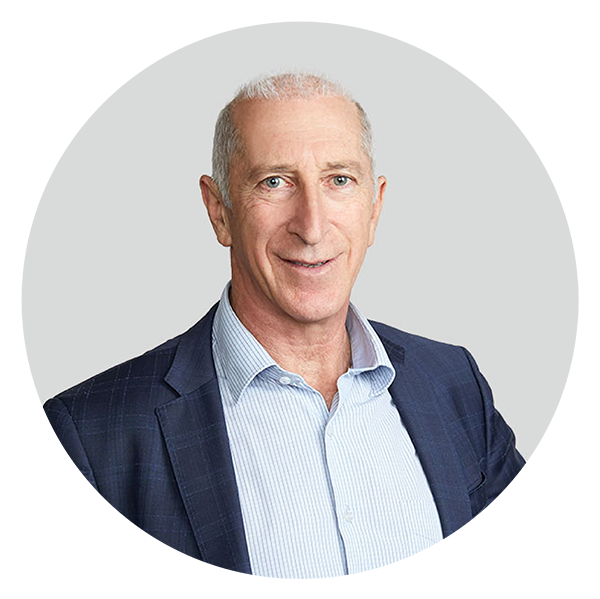
Dr Stephen Kleid,
Melbourne ENT Surgeon
MED0001052799
Dr Stephen Kleid is an experienced ENT Surgeon (Otolaryngologist) based in Melbourne with a passion for Septo-rhinoplasty, Septoplasty and a strong interest in Rhinoplasty Revision.
Qualifications
- AHPRA (Medical Board)
- MB, BS; FRACS (Fellow of the Royal Australasian College of Surgeons)
- AAFPS – Member of the Australasian Academy of Facial Plastic Surgery
- AAFPRS – (International Member of the American Academy of Facial Plastic and Reconstructive Surgeons)
Dr Kleid’s Procedures
Why Choose Dr Braham ?
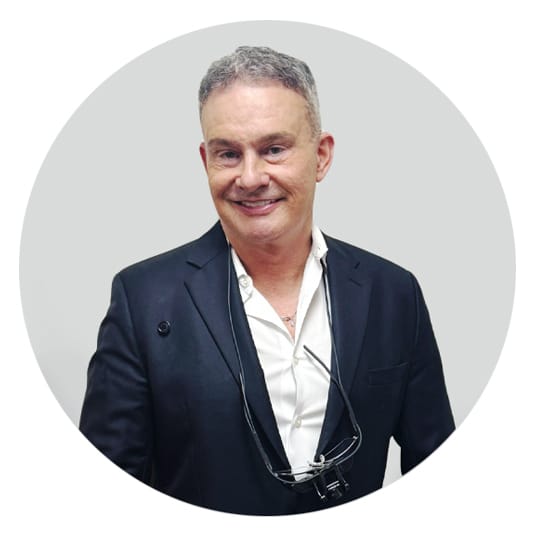
Dr Simon Braham,
Melbourne ENT Surgeon
MED0001144757
Dr Simon Braham MBBS (Hons) FRACS is an experienced Ear, Nose and Throat ENT Surgeon (Otolaryngologist) based in Melbourne, performing tonsil, grommet and sinus surgery for children & adults. He helps patients with breathing issues, snoring concerns and sleep disturbances.
Dr Braham’s Procedures
How can we help?
The Melbourne ENT Team takes pleasure in assisting you with any questions when considering a plastic surgery procedure. Please call the St Kilda East clinic in Melbourne between 9am – 5 pm on Weekdays.
What Next?

Want more information about your Procedure?
- Please read our website and blogs to find out more about your procedure and concerns
- For more information about pricing and payment methods, please visit our page on Surgery Payment Options.
- Talk to our Patient Care Team from 9 am to 5 pm Monday to Friday

What to Bring to Your Consultation
- We encourage you to bring a friend or family member to accompany you, as they can provide an extra perspective and support throughout the process.
- It is important to take thorough notes and carefully review all the documents provided to you.

How to Book a Consultation
- A valid medical referral from your GP or Specialist is necessary to see a surgeon for a consultation.
- Check our pricing page
- Please contact us to book your consultation.