

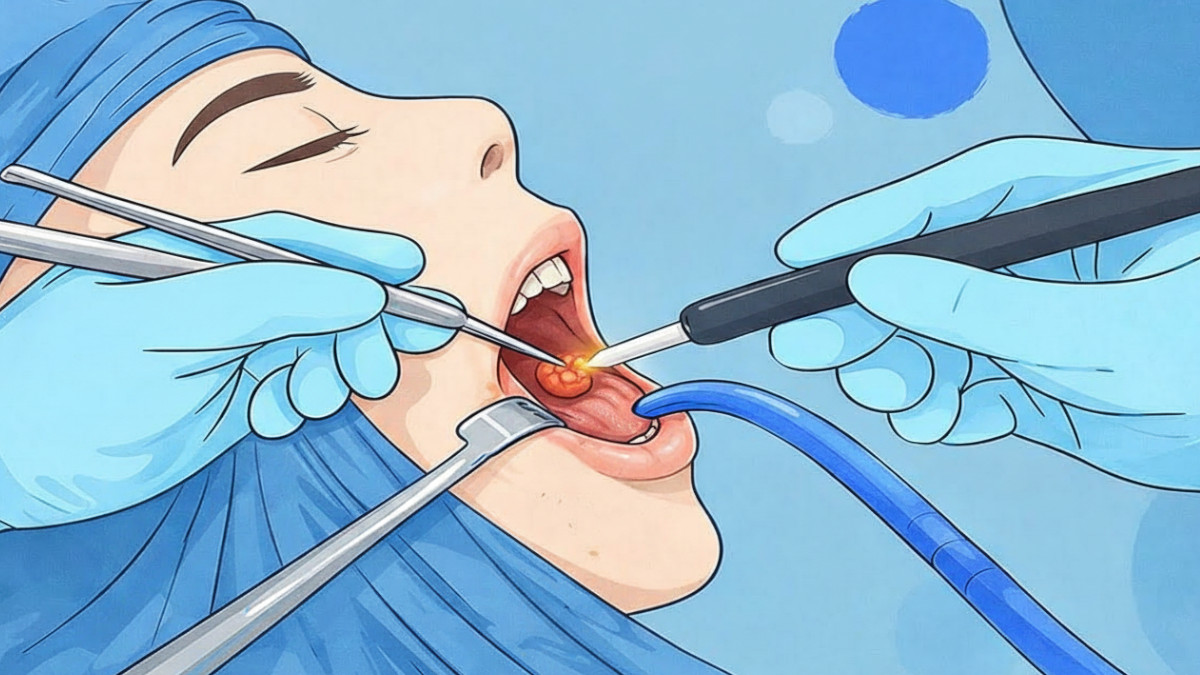
Sialadenitis is the medical term for inflammation of the salivary glands. It is a condition that may seem unfamiliar to many people until they or a loved one begin experiencing the symptoms. This inflammation can be painful and uncomfortable, and in some cases it can interfere with everyday activities such as eating, swallowing, and even speaking. Although it can affect people of all ages, sialadenitis is most commonly seen in older adults, people recovering from illness, and children who are vulnerable to viral infections.
At Melbourne ENT, based in St Kilda East, Victoria, our surgeons – Dr Stephen Kleid, ENT and Head & Neck Surgeon, and Dr Simon Braham, ENT Surgeon with expertise in paediatric ENT, nasal and sinus surgery, and reconstructive procedures – see patients with salivary gland conditions ranging from mild infections through to complex obstructive or tumour-related disorders. Both surgeons have extensive local and international training, as well as public hospital appointments at some of Melbourne’s most respected institutions. Their experience allows them to provide patients with accurate diagnosis, thoughtful treatment, and long-term care when needed.
This article aims to provide a clear explanation of what sialadenitis is, what causes it, what symptoms to look out for, and how it is treated in Melbourne. It also outlines the different approaches used at Melbourne ENT to support patients with this condition, so that families and individuals have access to reliable information when making decisions about their health.
Understanding the Salivary Glands
To understand sialadenitis, it helps to know a little about the salivary glands themselves. These glands are small but important organs that are essential for everyday comfort and oral health. They are responsible for producing saliva, which is not only important for moistening food and helping with chewing and swallowing, but also for starting the process of digestion, protecting the teeth from decay, and keeping the mouth lubricated so that speaking feels natural.
There are three major pairs of salivary glands in the body. The parotid glands are the largest and are located just in front of the ears. The submandibular glands sit beneath the jawbone, while the sublingual glands are smaller and positioned under the tongue. In addition to these, there are hundreds of tiny minor salivary glands scattered throughout the lining of the mouth and throat.
When one of these glands becomes inflamed, saliva production can be reduced or blocked entirely. This disruption leads to pain, swelling, and sometimes infection. At major Melbourne hospitals such as the Royal Melbourne Hospital and the Royal Victorian Eye and Ear Hospital, patients with salivary gland problems are often investigated. At Melbourne ENT, however, patients also have the benefit of personalised, specialist attention in a private clinic environment, supported by access to modern diagnostic tools and surgical techniques.
What is Sialadenitis?
Sialadenitis refers to inflammation of one or more salivary glands, and it can appear in different forms depending on the cause and the pattern of symptoms. In some people, the inflammation comes on suddenly, often due to a bacterial infection. This is known as acute sialadenitis and typically results in a very swollen, painful gland with associated fever or malaise. Others develop chronic sialadenitis, where long-standing obstruction or narrowing of the duct causes repeated episodes of discomfort. Another common presentation is recurrent sialadenitis, where swelling and pain appear at mealtimes. This happens because saliva production increases while eating, but the blocked duct prevents it from draining normally, leading to a painful buildup of pressure in the gland.
Patients in Melbourne frequently present to Dr Kleid and Dr Braham describing “mealtime syndrome“, a pattern of swelling that becomes noticeably worse during eating. This is a hallmark sign of obstructive sialadenitis caused by salivary stones, also known as sialolithiasis.
Symptoms Patients Notice
The symptoms of sialadenitis can vary depending on the severity and the underlying cause. Many people first notice a lump or swelling on one side of their face, often around the cheek or under the jaw. This swelling may be tender to touch and can fluctuate in size, sometimes disappearing between episodes if the cause is a stone that only partially obstructs the duct.
Pain is a common feature of sialadenitis, and it often becomes worse during or after meals when saliva production increases. Some patients notice a persistent dry mouth or an unusual taste, which can be caused by stagnant saliva or pus in the duct. Others may see or feel a discharge of pus at the opening of the salivary duct inside the mouth. If the infection is bacterial, general symptoms such as fever, chills, and fatigue may also develop.
As Dr Stephen Kleid often notes in consultations, one of the most important steps in treatment is determining whether the inflammation is primarily caused by an infection or an obstruction. Identifying this distinction ensures the correct management plan and avoids unnecessary or ineffective treatments.
Common Causes & Risk Factors
Sialadenitis can occur for a number of reasons. The most common cause is bacterial infection, particularly by Staphylococcus aureus. This bacterium can enter the duct when saliva flow is reduced, leading to infection and swelling. Another frequent cause is the presence of a salivary stone, a small hardened deposit that blocks the flow of saliva and causes painful buildup in the gland.
Viral infections are another contributor, especially in children. Mumps is one of the better-known viral causes, although it is far less common in vaccinated populations. Autoimmune conditions such as Sjögren’s syndrome can also lead to chronic inflammation of the glands. Very rarely, a tumour of the salivary gland may mimic sialadenitis, which is why careful diagnosis is essential.
There are also risk factors that make people more prone to developing the condition. Dehydration, poor oral hygiene, and the use of certain medications – including some antihistamines, diuretics, and antidepressants – can all reduce saliva production and increase the risk of infection or blockage. Chronic illness and recovery from major surgery are also times when people are more vulnerable to sialadenitis.
Dr Simon Braham frequently sees children in Melbourne who develop viral or recurrent parotitis, while Dr Stephen Kleid manages more complex adult cases involving obstructive stones, chronic inflammation, or head and neck tumours.
How Sialadenitis is Diagnosed
Diagnosing sialadenitis requires a combination of careful history-taking, physical examination, and in many cases, imaging studies. During a consultation, the surgeon will ask about the pattern of swelling, its relationship to meals, and any associated symptoms such as fever or discharge. On examination, the gland may be swollen, tender, or firm. Gentle massage of the gland may cause saliva or pus to appear at the duct opening, which provides important diagnostic clues.
Imaging plays a key role in confirming the diagnosis. Ultrasound is usually the first test performed because it is non-invasive, quick, and effective at detecting stones or abscesses. In more complex cases, a CT or MRI scan may be used to get a clearer view of the duct and surrounding tissues. For patients with recurrent or unexplained symptoms, sialendoscopy offers both diagnostic and therapeutic potential. This minimally invasive procedure uses a tiny camera to explore the duct system from the inside, allowing blockages to be seen directly and sometimes treated immediately.
At Melbourne ENT, patients benefit from timely coordination of imaging and procedures, supported by hospital access at Masada Private Hospital in East St Kilda and other major Melbourne centres.
Treatment Options Available in Melbourne
The management of sialadenitis is tailored to the severity of the condition and the underlying cause. Many mild cases respond well to simple self-care measures, while more advanced or recurrent cases may require surgery.
In mild or early stages, increasing fluid intake, applying warm compresses, and massaging the gland can stimulate saliva flow and help clear the obstruction. Sucking on sour lollies or lemon drops is another effective strategy, as these stimulate saliva production. Good oral hygiene is also important to reduce the risk of secondary infection.
If the cause is bacterial, antibiotics are prescribed to treat the infection. Pain relief and anti-inflammatory medication may also be recommended to reduce discomfort. For patients with autoimmune-related sialadenitis, collaboration with rheumatologists is often required to manage the underlying condition.
When conservative measures are not enough, minimally invasive procedures such as sialendoscopy are highly effective. This technique allows the surgeon to remove small stones, flush out debris, or widen narrowed ducts without removing the gland. Sialendoscopy is increasingly considered the gold standard for managing obstructive sialadenitis because it preserves gland function and reduces the need for major surgery.
In rare cases where stones are too large or the gland is severely damaged, surgery to remove the gland may be necessary. These procedures are performed in Melbourne hospitals, including the Royal Melbourne Hospital and Masada Private Hospital, depending on the individual case.
When Urgent Care is Needed
Most cases of sialadenitis can be treated with outpatient care, but there are situations where urgent medical attention is critical. Patients should seek immediate help if swelling is so severe that it affects breathing or swallowing, if there is rapidly spreading infection, or if they develop trismus, which is difficulty opening the mouth. Immunocompromised patients who develop gland swelling should also be assessed urgently, as should any patient who experiences facial weakness on the affected side, which may suggest involvement of the facial nerve.
In such cases, patients in Melbourne are advised to attend the Emergency Department at the Royal Melbourne Hospital or the Royal Victorian Eye and Ear Hospital, where emergency support is available. Dr Stephen Kleid’s expertise in head and neck surgery ensures that patients with high-risk cases receive appropriate and timely care.
Paediatric Considerations
Children are not immune to salivary gland problems, and sialadenitis can be particularly distressing for families. One specific condition seen in children is juvenile recurrent parotitis, where the parotid gland becomes inflamed repeatedly over several years. While this condition often resolves spontaneously after puberty, it can cause repeated pain and swelling in childhood. Viral infections, such as mumps, are another cause of salivary gland inflammation in children, though vaccination has made these far less common. Stones in the salivary glands are rare in children but can occur.
Dr Simon Braham, who has extensive experience in paediatric ENT surgery, provides thoughtful and gentle management for children with salivary gland conditions, supporting families through both the diagnostic process and treatment planning.
Living with Recurrent Sialadenitis
For patients with recurrent or chronic sialadenitis, lifestyle measures are often just as important as medical treatment. Staying well hydrated throughout the day, particularly in hot weather, is a simple but effective way to reduce risk. Maintaining excellent oral hygiene helps reduce bacterial growth in the mouth. Some patients find that avoiding excessive caffeine and alcohol, which can contribute to dry mouth, also helps. Chewing sugar-free gum or sucking on sour lollies stimulates saliva flow and reduces stasis.
For patients whose medications may be contributing to dryness, a review with their GP can sometimes identify alternatives. Regular follow-up with an ENT specialist ensures that flare-ups are managed quickly and that complications such as abscesses or chronic duct narrowing are avoided. At Melbourne ENT, long-term care is an important part of the service provided, ensuring that patients are supported over time, whether their condition is mild, recurrent, or more complex.
How Melbourne ENT Can Help
Dr Stephen Kleid and Dr Simon Braham are highly respected ENT surgeons with broad expertise in salivary gland conditions.
Dr Kleid is a senior ENT and head and neck surgeon with decades of experience treating complex salivary gland diseases, including tumours and chronic obstructive conditions. He has held senior appointments at Peter MacCallum Cancer Centre and Royal Melbourne Hospital, and has trained internationally in advanced head and neck surgery.
Dr Braham is an ENT surgeon with strong expertise in paediatric ENT, nasal and sinus surgery, and reconstructive procedures. He consults at Royal Victorian Eye and Ear Hospital and Kyneton Hospital in addition to his private practice.
Both surgeons are Fellows of the Royal Australasian College of Surgeons (FRACS), reflecting the highest level of surgical training and professional standards in Australia. Their combined expertise makes Melbourne ENT a trusted destination for patients across Melbourne and Victoria seeking specialist care for salivary gland problems.
Patient Pathway at Melbourne ENT
The patient pathway at Melbourne ENT is designed to be comprehensive and reassuring. The first step is a detailed consultation, where symptoms and history are carefully discussed. The examination may involve gentle palpation of the gland and massage of the duct. If further investigation is required, patients may be referred for ultrasound or advanced imaging. In some cases, sialendoscopy may be recommended as both a diagnostic and therapeutic option.
Following diagnosis, a personalised treatment plan is created. This may involve conservative measures, medical management, or minimally invasive procedures. For more complex cases, hospital-based surgery is available. Throughout this process, the team provides ongoing support and follow-up, ensuring that patients feel guided and cared for at every step.
Patients from Melbourne and greater Victoria benefit not only from the expertise of the surgeons but also from the clinic’s emphasis on continuity of care across both public and private settings.
Medicare Coverage for Salivary Gland Surgery
In Australia, many procedures for salivary gland conditions – including surgery for obstructive stones, infections, or tumours – attract a Medicare rebate when they are performed for medical reasons rather than cosmetic purposes. This means that part of the cost of consultation, imaging, and surgery is typically subsidised by Medicare, reducing out-of-pocket expenses for patients. The exact rebate depends on the procedure item number and whether it is performed in a public or private hospital.
For patients treated in the public system, surgery is generally covered but waiting times may apply. In the private setting, such as at Masada Private Hospital in St Kilda East, Medicare provides a rebate toward the surgeon’s fee, and private health insurance may cover hospital and anaesthetic costs if the patient has an appropriate policy. At Melbourne ENT, both Dr Stephen Kleid and Dr Simon Braham provide clear guidance about expected fees, available rebates, and the role of private insurance, so patients can make informed decisions about their care.
FAQs About Sialadenitis
What does it mean if my salivary gland only swells when I eat but then goes down afterward?
This pattern usually suggests a blockage in the salivary duct, often from a small stone. When you eat, saliva flow increases but cannot drain properly, leading to painful swelling that eases once saliva production reduces. This is known as “mealtime syndrome” and is a common feature of obstructive sialadenitis.
Can sialadenitis come back even after treatment, and what makes some people more prone to recurrences?
Yes, some people do experience recurrent episodes. This can happen if stones form again, if the duct remains narrow, or if underlying conditions such as autoimmune disease reduce saliva flow. Staying well hydrated, maintaining oral hygiene, and follow-up with a specialist can help reduce the chance of recurrence.
Is it safe to leave mild sialadenitis untreated if the swelling goes away on its own?
While mild swelling that settles quickly may not require urgent intervention, it is best not to ignore it. Even if symptoms resolve, the underlying cause could still be present, and repeated flare-ups may lead to complications. A specialist assessment ensures that nothing serious is missed.
How can I tell the difference between a blocked salivary gland and an infected one?
A blocked gland often causes swelling and pain that worsens with eating but without fever or pus. An infected gland is more likely to be tender, red, and warm, and may produce pus at the duct opening. Infection can also cause fever and a general feeling of being unwell. Because the symptoms overlap, professional diagnosis is important.
Does sialadenitis ever cause long-term damage to the salivary gland or the surrounding tissues?
In most cases, prompt treatment prevents lasting problems. However, if infections are severe or left untreated, they can cause scarring of the duct, reduced saliva flow, or rarely spread beyond the gland. Chronic obstruction may also weaken the gland over time. Early care reduces the risk of long-term damage.
Are there lifestyle changes that can reduce the risk of salivary stones forming again in the future?
Yes, simple steps can make a difference. Staying well hydrated throughout the day, practising good oral hygiene, and using sugar-free gum or sour lollies to stimulate saliva can all help reduce the risk. Limiting dehydration from alcohol, caffeine, or certain medications may also lower the chance of stone formation.
Can children with recurrent parotitis eventually grow out of it, or does it always require surgery?
Many children with juvenile recurrent parotitis see their symptoms improve with age, and the condition often resolves after puberty. Surgery is rarely required in children, as most cases are managed with supportive care and careful monitoring by an ENT specialist.
Sources:
- Acute Submandibular Sialadenitis in a 9-Month-Old Infant: A Case Report
https://www.theijcp.org/index.php/ijcp/article/view/484/403 - Salivary Gland Disorders – AAFP (American Academy of Family Physicians)
https://www.aafp.org/pubs/afp/issues/2014/0601/p882.html - Technique and efficacy of sialendoscopy in the management of salivary gland disease
https://www.theajo.com/article/view/4821/html - Approach to sialadenitis – PMC (National Institutes of Health’s PubMed Central)
https://pmc.ncbi.nlm.nih.gov/articles/PMC10426371/ - Sialadenitis – Symptoms, Causes, Treatment | NORD (National Organization for Rare Disorders)
https://rarediseases.org/rare-diseases/sialadenitis/ - Submandibular Sialadenitis and Sialadenosis – StatPearls – NCBI Bookshelf
https://www.ncbi.nlm.nih.gov/books/NBK562211/ - Submandibular Sialadenitis/Sialadenosis – Medscape Reference
https://emedicine.medscape.com/article/882358-overview
Final Thoughts
Sialadenitis, or inflammation of the salivary glands, can be painful and disruptive, but it is a condition that can usually be managed successfully with timely diagnosis and appropriate treatment. For many people, simple self-care measures such as hydration, massage, and antibiotics are enough. For others, especially those with stones or recurrent obstruction, advanced techniques such as sialendoscopy provide highly effective and gland-preserving solutions. In rare cases, surgery may be necessary, but even then outcomes are excellent when managed by experienced specialists.
At Melbourne ENT in St Kilda East, patients benefit from the combined expertise of Dr Stephen Kleid and Dr Simon Braham, both highly trained FRACS surgeons with extensive experience across Melbourne’s leading hospitals. Their patient-centred approach ensures that care is tailored to each individual, whether an adult with recurrent stones or a child with viral parotitis.
For those experiencing facial swelling, pain during meals, or recurrent salivary gland infections, Melbourne ENT provides trusted, local, and specialist care. To book an appointment or learn more about available services, patients are encouraged to visit the website.
Dr Stephen Kleid – ENT and Head & Neck Surgeon
Phone: (03) 9038 1630 · visit the contact page
Dr Simon Braham – ENT Surgeon
Phone: (03) 9038 1311 · visit the contact page
Further Reading
- Read more about ENT Concerns
- Read more about Swallowing Issues – Causes and Treatment Options for Dysphagia