

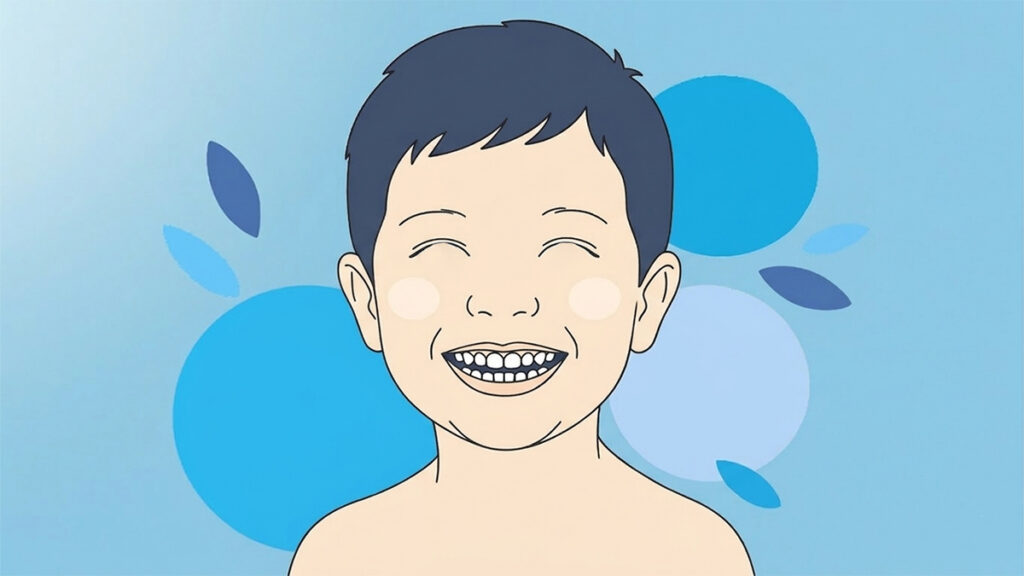
Teeth grinding in children can be surprisingly loud. Many parents first notice it as a harsh scraping sound from their child’s bedroom, or when the dentist mentions that some teeth look more worn than expected. It can be unsettling, especially if you are not sure whether it is simply a phase or a sign that something more serious is going on.
This guide has been written in the context of Melbourne ENT, a specialist ear, nose and throat clinic in St Kilda East, Victoria. It explains what teeth grinding is, why children do it, what you can do at home, and when it may be time to involve your dentist, GP or an ENT specialist.
Throughout the article we will refer to the experience of Dr Stephen Kleid, ENT and Head & Neck Surgeon, and Dr Simon Braham, ENT and Facial Plastic Surgeon. Both care for children and adults with sleep, breathing and ENT problems at Melbourne ENT and at major Melbourne hospitals, including the Royal Melbourne Hospital and the Royal Victorian Eye and Ear Hospital.
What Is Teeth Grinding (Bruxism) In Children?
✓ Simple Explanation For Parents
Teeth grinding, or bruxism, is when a child clenches, grinds or gnashes their teeth without meaning to. It can happen while they are asleep or awake. During the day, you might notice your child holding their teeth tightly together when they are concentrating or stressed. At night, it often sounds like a scraping, crunching or squeaking noise.
Parents commonly pick it up because:
- The sound from the bedroom is so distinctive and unusual
- Their child wakes with a sore or stiff jaw
- A dentist comments on early wear or flattening of the tooth edges
The important thing to remember is that your child is not choosing to grind. It is an unconscious habit, often related to changes in teeth, sleep patterns or emotions.
✓ Sleep Bruxism And Awake Bruxism
Doctors sometimes talk about sleep bruxism and awake bruxism:
- Sleep bruxism is grinding or clenching that happens during sleep. Children are usually unaware of it and may be surprised when you tell them.
- Awake bruxism is more about clenching than grinding. It happens when a child is focusing hard, gaming, watching a screen or feeling worried.
Sleep bruxism is more common in children, but it is useful to notice both patterns. They can sometimes have different triggers and might need slightly different strategies.
How Common Is Teeth Grinding In Kids?
Teeth grinding is not rare. Many toddlers and primary school children will grind their teeth at some point. In a large number of cases, the grinding eases as:
- Teeth and jaws grow and settle
- Stress levels change
- Sleep patterns become more regular
That said, if grinding is frequent, very loud, or associated with pain, snoring or disturbed sleep, it is sensible to have it properly assessed rather than waiting and worrying.
Why Does My Child Grind Their Teeth?
There is usually more than one reason. Think of teeth grinding as a “perfect storm” of small factors that add up.
✓ Normal Development And Changing Teeth
When baby teeth come through, and later when permanent teeth erupt, the bite is constantly changing. Children explore new tooth positions without realising it. Grinding can be part of this process. It is especially common:
- When several new teeth are erupting at once
- In the toddler and early primary years
In many children this is a normal stage. However, if the grinding is intense, or your dentist can see damage, it still deserves attention.
✓ Stress, Emotions And Busy Lives
Children in Melbourne often lead very full lives with school, sport, music, tutoring and social activities. Even enjoyable activities can be tiring when there are too many of them. Add in everyday worries about friendships, homework or big life changes, and it is easy to see how stress might creep in.
Some children show stress outwardly with tears or tantrums. Others show it in their bodies, with:
- Difficulty getting to sleep
- Tummy aches or headaches
- Jaw clenching and teeth grinding
Grinding is never “all in their head”. It is a real physical response and a sign that their system is working hard.
✓ Dental And Jaw Position Factors
The way the teeth and jaws meet can also influence grinding. If the bite is not comfortable, the jaw muscles may become more active as they try to find a better position. Factors can include:
- Crowding or overlapping teeth
- An overbite or underbite
- Significant mismatch between upper and lower jaws
Your family dentist or paediatric dentist will look at these things during a normal check up. If there are concerns, they may suggest an orthodontic assessment to see whether the bite itself is contributing.
✓ Snoring, Breathing And Sleep Problems (ENT Focus)
From an ENT perspective, teeth grinding often sits in the same story as snoring and disturbed sleep. Many parents who describe grinding will also say that their child:
- Snores most nights
- Breathes through their mouth rather than their nose
- Tosses and turns, sweats or wakes frequently
- Has pauses in breathing, or seems to work hard to breathe at night
These signs suggest a form of sleep disordered breathing, sometimes obstructive sleep apnoea, where the airway is partly blocked. In children, common causes include:
- Enlarged tonsils
- Enlarged adenoids
- Chronic nasal obstruction from allergies, swollen tissues or structural issues
When breathing is not smooth, the brain triggers tiny arousals to keep things going. Grinding can happen around those arousals, almost like the jaw tensing to “fight” through the obstruction. This is one of the reasons Melbourne ENT takes teeth grinding seriously when it appears alongside snoring and mouth breathing.
✓ Medical Conditions And Medications
A smaller group of children grind their teeth in the context of other medical or developmental issues. Grinding can be more frequent in some children with:
- Neurodevelopmental conditions such as ADHD or autism
- Certain neurological conditions
- Some medicines used for mood, behaviour or attention
If your child has a medical diagnosis or is taking regular medications, it is worth flagging the grinding with your GP or paediatrician so it can be considered as part of the overall plan.
Signs That Teeth Grinding May Be A Problem
Not every child who grinds needs intensive treatment. The key is to look at the bigger picture: teeth, jaw comfort and sleep quality.
✓ What Parents Might See Or Hear
You might notice that:
- The grinding noise happens on many nights rather than occasionally
- Your child wakes saying their jaw feels tired, tight or sore
- They clench their teeth or jaw during homework, games or stressful moments
Keeping a simple diary for a week or two can help you and your health providers see patterns more clearly.
✓ Changes In The Teeth And Mouth
Over time, repeated grinding can leave its mark. The teeth may appear:
- Flatter across the top than you would expect for their age
- Chipped at the edges
- More sensitive to hot and cold foods
The cheeks or tongue may also show signs of accidental biting. Your dentist is in the best position to judge how significant these changes are and whether they are likely to progress.
✓ Signs Of Disturbed Sleep Or Breathing
Grinding becomes more concerning when you notice other sleep related signs. For example, if your child:
- Snores loudly most nights
- Has pauses, gasps or snorts in their breathing
- Sleeps restlessly, kicks around or sweats heavily
- Breathes mainly through their mouth
- Wakes tired, is irritable, or struggles to focus at school
then grinding may be one visible part of a deeper sleep and airway issue. These are situations where Dr Stephen Kleid or Dr Simon Braham at Melbourne ENT may be able to help.
What Parents Can Do At Home To Help Stop Teeth Grinding
You cannot simply tell a child to “stop grinding” and expect it to work. But you can support better sleep, reduce stress and protect their teeth.
✓ Create A Calm And Consistent Bedtime Routine
Think of bedtime as a gentle landing, not an abrupt stop. A simple routine might include a set bedtime, a warm shower or bath, a quiet story and low lights. Keeping the last hour before bed free from tablets, phones and high-energy games makes it easier for the brain and jaw muscles to wind down. Even small changes, applied consistently, can reduce nighttime restlessness.
✓ Support Your Child’s Emotional Wellbeing
Try to give your child space each day to talk about their experiences. A short “highs and lows of the day” chat at dinner, or a few minutes of one-on-one time before bed, can encourage them to share worries before they take them to sleep. If you notice ongoing anxiety, sadness or behaviour changes, your GP can guide you on whether extra support with a psychologist or counsellor might help.
✓ Encourage Healthy Jaw And Mouth Habits
During the day, you can gently coach your child to adopt a relaxed mouth position. A helpful phrase is “lips together, teeth apart”, with the tongue resting lightly on the roof of the mouth. If you notice clenching when they are concentrating, a soft reminder to release the jaw and take a slow breath may help reset the habit over time. Encouraging them to avoid chewing on pens, pencils or nails also reduces strain on the teeth and jaw muscles.
✓ Look At Diet, Caffeine And Hydration
In older children and teenagers, caffeine can sneak in through soft drinks, iced tea and energy drinks. Cutting these down in the afternoon and evening can help stabilise sleep. Aim for regular, not overly heavy, meals and good water intake during the day. This is not about strict or complicated diets, just steady habits that keep the body comfortable at night.
✓ Support Nasal Breathing Where Appropriate
If you notice that your child’s mouth hangs open when they are relaxed, or that they always seem blocked up, it may be harder for them to breathe comfortably at night. Simple allergy management, nasal rinses or prescribed sprays (under guidance from your GP or specialist) can sometimes make a real difference. When nasal blockage is persistent or severe, an ENT review at Melbourne ENT can help identify whether tonsils, adenoids or structural issues are contributing.
When To See A Dentist, GP Or ENT Specialist
– When A Dental Assessment Is Important
The family dentist is usually the first port of call once you notice grinding. A review is particularly important if grinding happens on most nights, or if you or your child have noticed any changes in the teeth. The dentist will examine tooth surfaces, look for chips or cracks, check the bite and assess how the jaw moves. They can then advise whether simple observation is enough or whether protective treatment is needed.
– When Your GP Should Be Involved
Your GP has a broad view of your child’s health. You should consider making a GP appointment if:
- Sleep seems poor or fragmented
- There are issues with concentration, behaviour or school performance
- Your child has other medical conditions or takes regular medications
The GP can help determine whether further assessments for anxiety, learning difficulties, reflux or other conditions are appropriate, and can coordinate referrals to paediatricians, psychologists or sleep doctors when needed.
– When To Consider An ENT Review At Melbourne ENT
An ENT review becomes especially relevant when teeth grinding and sleep symptoms occur together. You might consider Melbourne ENT if:
- Your child snores loudly most nights
- You have seen pauses or effortful breathing during sleep
- They breathe mainly through their mouth and often seem blocked up
- They have a history of enlarged tonsils, frequent tonsillitis or recurrent sinus and ear infections
At Melbourne ENT, Dr Stephen Kleid (ENT and Head & Neck Surgeon) and Dr Simon Braham (ENT and Facial Plastic Surgeon) can assess the nose, throat, tonsils and adenoids, and discuss whether airway narrowing may be contributing to disturbed sleep and grinding.
– Care Pathways In Melbourne And Victoria
Children in Melbourne and regional Victoria are often managed through shared care. A typical pathway might include:
- Initial review and monitoring by the family dentist
- GP input to screen for broader health and emotional issues
- ENT evaluation at Melbourne ENT for snoring or airway concerns
- In more complex situations, input from sleep laboratories or hospital based teams at centres such as the Royal Melbourne Hospital or Royal Victorian Eye and Ear Hospital
The goal is not to collect more appointments, but to have the right people involved at the right time, with clear communication between them.
How Teeth Grinding Is Assessed
✓ History And Examination
Assessment begins with a conversation. You may be asked when you first noticed the grinding, how often it occurs, and whether it seems linked to particular events, illnesses or stresses. Questions about snoring, breathing patterns, restlessness and daytime behaviour help build a picture of your child’s sleep quality. A dental examination looks carefully at tooth surfaces, jaw movement and any tenderness. An ENT examination, if needed, focuses on the nose, throat, tonsils and adenoids.
✓ The Role Of Sleep Studies
Not every child with grinding needs a sleep study. However, if there is loud snoring, obvious pauses in breathing, or significant daytime effects, a sleep study can be very useful. It records breathing, oxygen levels, heart rate, movements and, in some cases, jaw muscle activity overnight. The results help determine whether your child has obstructive sleep apnoea or another form of sleep disordered breathing and guide whether treatments such as adenotonsillectomy, CPAP or other interventions should be considered.
✓ Coordinated Information For Families
One of the benefits of attending a specialist practice such as Melbourne ENT is the emphasis on communication. With your permission, reports are shared with your dentist, GP and any other involved specialists. You are given clear explanations of findings and options, and there is time to ask questions. All treatments have potential risks and benefits, and these are carefully discussed before any decisions are made.
Treatment Options For Teeth Grinding In Children
✓ Monitoring And “Watch And Wait”
In many younger children, especially those with minimal tooth wear, the safest and most appropriate approach is simply to monitor. This does not mean doing nothing. It involves regular dental check ups, attention to sleep routines and stress, and review of any snoring or breathing changes over time. Many children gradually stop grinding as they grow.
✓ Dental Management And Protecting The Teeth
When tooth damage or jaw pain is present, dental treatments may be needed. In older children and teenagers, a custom made night guard or splint can protect the teeth from further wear while they sleep. If bite problems such as crowding or significant overbite are identified, orthodontic treatment may be recommended to improve the way the teeth and jaws fit together. Follow up is important, as children’s mouths change as they grow and appliances often need adjustment.
✓ Managing Sleep And Airway Issues (ENT Role)
If grinding is linked to snoring or disturbed breathing, managing the airway becomes a key part of treatment. At Melbourne ENT, options might include medical treatment for nasal allergies, monitoring of mild sleep disordered breathing, or surgery in selected cases. Adenotonsillectomy may be discussed where enlarged tonsils and adenoids are clearly obstructing the airway and causing significant sleep apnoea. In older children and adults with structural nasal problems, nasal or sinus surgery might be considered.
Dr Stephen Kleid and Dr Simon Braham draw on their extensive ENT and head and neck surgery experience, including work at the Royal Melbourne Hospital and Royal Victorian Eye and Ear Hospital, to ensure that any procedure is carefully justified, clearly explained and carried out with a strong focus on safety.
Supporting Emotional And Behavioural Factors
Physical treatments work best when emotional health is also supported. Continuing to use calm bedtime routines, teaching relaxation techniques and addressing school or friendship difficulties all contribute to improved sleep. In some cases, psychological support can help children manage anxiety or stress, which may in turn lessen grinding.
What Treatment Can And Cannot Do
No treatment can guarantee that grinding will stop overnight. The main aims are to:
- Protect the teeth and jaw joints
- Reduce pain, headaches or morning discomfort
- Improve breathing and sleep quality where airway issues are present
- Support your child’s overall health, behaviour and learning
Some children will stop grinding altogether. Others may continue to grind occasionally but with less impact. At Melbourne ENT, treatment plans are tailored to each child and regularly reviewed.
FAQs About Teeth Grinding In Children
Can teeth grinding in childhood change the shape of my child’s face or jaw as they grow?
Most of the time, normal growth and genetics play the biggest role in how a child’s face and jaw develop. Severe, long term grinding may contribute to muscle tension or changes in the way the teeth meet, which is why regular dental reviews are still important, but it is unlikely to dramatically change the overall shape of the face on its own.
If my child has stopped grinding their teeth, do we still need to worry about the damage that was already done?
If the grinding seems to have settled, that is good news. It is still worth asking your dentist to check for wear, cracks or sensitivity at the next visit. Damage that has already occurred will not undo itself, but it can often be repaired, protected or simply monitored if it is minor and stable.
Is it possible for teeth grinding to be the only sign that my child has a sleep or breathing problem at night?
It is possible, although many children with sleep disordered breathing also snore, mouth breathe or sleep restlessly. If grinding is frequent and you are unsure about their breathing, watching them quietly for a few nights can be very useful. If you notice anything worrying, a discussion with your GP or with an ENT specialist at Melbourne ENT can help decide whether further tests are needed.
My child grinds their teeth but the dentist says the teeth look fine, should we still consider an ENT or sleep assessment?
If there is no tooth wear or sensitivity, that is reassuring, but it does not completely rule out sleep or breathing issues. The question of an ENT assessment depends more on symptoms such as snoring, pauses in breathing, restless sleep and daytime tiredness. If any of these are present, an airway and sleep review at Melbourne ENT may still be beneficial.
Could my child’s teeth grinding be linked to ADHD, autism or learning difficulties at school?
Some research has found higher rates of grinding in children with certain neurodevelopmental conditions. This does not mean grinding causes these conditions, or that every child who grinds has them. If you have concerns about attention, learning or behaviour as well as grinding, it is important to raise this with your GP so a broader assessment can be arranged.
How do I tell the difference between normal noisy sleep and teeth grinding that might need specialist review?
Normal sleep can include occasional snuffles, sleep talking or movement. Grinding has a distinctive scratching or crunching sound. If you hear that sound on many nights, if it sits alongside snoring or gasping, or if your child seems tired or irritable during the day, it is sensible to take the next step and talk with your dentist, GP or an ENT specialist.
If my child is wearing a night guard from the dentist, when would it still be helpful to see Melbourne ENT for an airway and sleep opinion?
A good night guard can shield the teeth from damage, particularly in older children and teenagers. If your child continues to snore, mouth breathe, wake often or seem exhausted despite the guard, that is a sign that their airway and sleep should be checked. In those situations, an appointment with Dr Stephen Kleid or Dr Simon Braham at Melbourne ENT can help determine whether an underlying breathing problem is contributing.
Medical References
- Bruxism treatment outcomes: A systematic review and meta-analysis / PMC / https://pmc.ncbi.nlm.nih.gov/articles/PMC12688786/
- Are sleep and awake bruxism associated with sleep quality / Sleep Medicine Reviews – PubMed / https://pubmed.ncbi.nlm.nih.gov/40043438/
- Research routes on awake bruxism metrics / Journal of Oral Rehabilitation – PubMed / https://pubmed.ncbi.nlm.nih.gov/37191494/
- Bruxism Decoded: A Case Report Revealing the Invisible Signs / Cureus – PubMed / https://pubmed.ncbi.nlm.nih.gov/40821176/
- Efficacy and Safety of Botulinum Toxin in the Management of Sleep Bruxism / Toxins – PubMed / https://pubmed.ncbi.nlm.nih.gov/38920857/
- Bruxism Management / StatPearls – NCBI Bookshelf / https://www.ncbi.nlm.nih.gov/books/NBK482466/
Why Choose Melbourne ENT For Children With Teeth Grinding And Sleep Concerns
Melbourne ENT is a specialist ENT and head and neck practice in St Kilda East, Victoria. Dr Stephen Kleid, ENT and Head & Neck Surgeon, and Dr Simon Braham, ENT and Facial Plastic Surgeon, are both Fellows of the Royal Australasian College of Surgeons and have many years of experience managing paediatric and adult ENT conditions, including snoring, sleep apnoea and nasal obstruction.
The focus at Melbourne ENT is on safe, evidence based care that aims to improve breathing, sleep and quality of life. Non surgical options are always considered first. When surgery is recommended, the reasons, benefits and possible risks are explained in clear language so families can make informed decisions.
Contacts:
Further Reading
- Read more about Adenoidectomy Melbourne
- Read more about Paediatric Sleep Disordered Breathing
- Read more about Tonsil Stones Melbourne – Also Known As Tonsilloliths
- Read Melbourne ENT’s Blog on What is Coblation Tonsillectomy ? – Cold-Ablative Tonsillectomy in Melbourne
- Read Melbourne ENT’s Blog on Cold Ablation Techniques for Tonsils

Cold Ablation Techniques for Tonsils
At Melbourne ENT in St Kilda East, Victoria, patients benefit from the expertise of two…
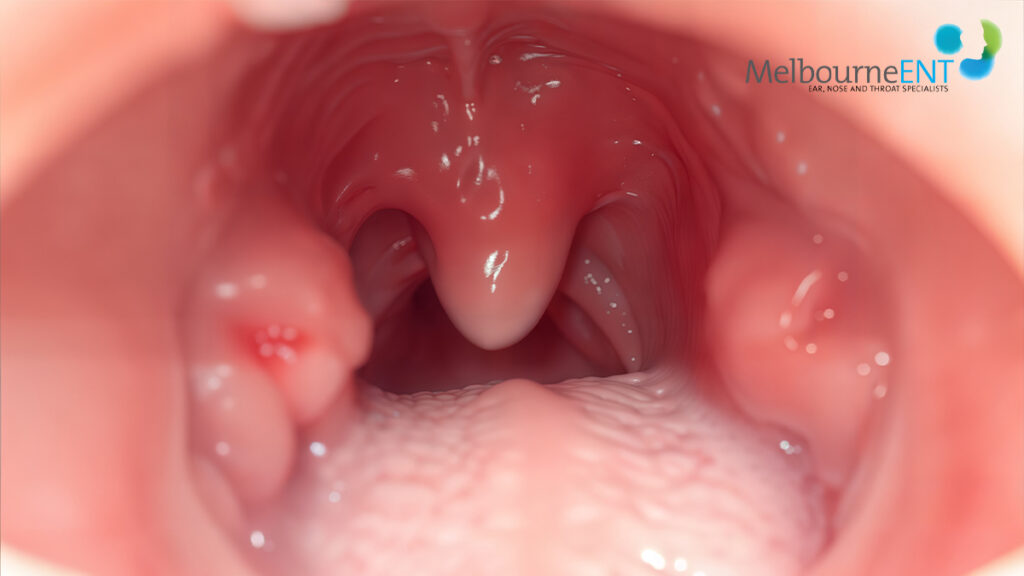
What is Coblation Tonsillectomy ? – Cold-Ablative Tonsillectomy in Melbourne
At Melbourne ENT in St Kilda East, Victoria, we are pleased to offer the advanced…