
Sleep disturbed breathing in kids is a medical term used to describe a range of breathing difficulties that occur during sleep. It includes simple snoring, increased effort to breathe and, in more severe cases, obstructive sleep apnoea where a child’s airway becomes partly or completely blocked for short periods while they are asleep. These breathing problems can affect how well a child sleeps and may influence behaviour, learning, mood and overall health.
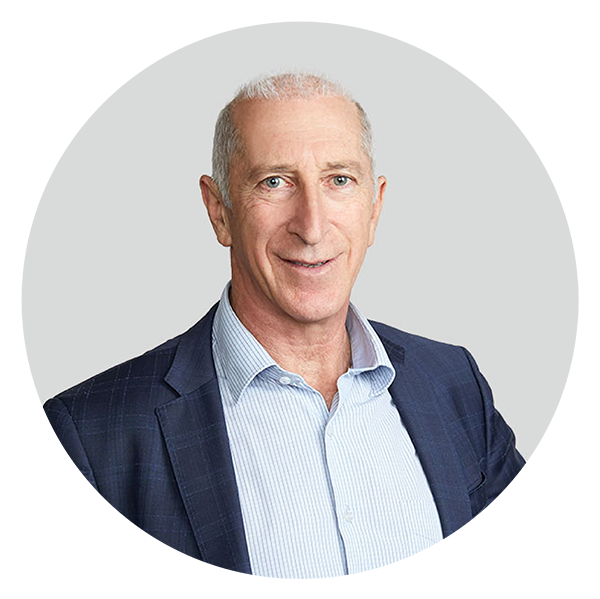
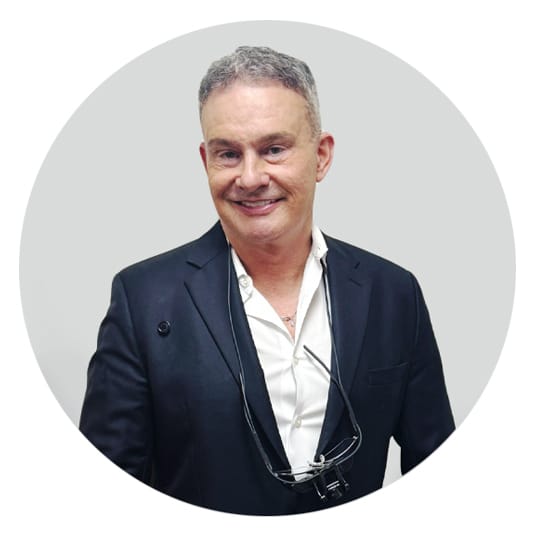
At Melbourne ENT in St Kilda East, Victoria, ENT and Head & Neck Surgeons Dr Stephen Kleid and Dr Simon Braham see many children who snore, breathe noisily, sleep restlessly or are suspected of having obstructive sleep apnoea. The focus at Melbourne ENT is medical and functional rather than cosmetic. The aim is to understand how the child’s airway is working, how their sleep is being affected and whether treatment might improve their breathing, sleep quality and day to day wellbeing.
This procedure page explains what sleep disturbed breathing in kids is, who may benefit from assessment, how it can be treated and what to expect before, during and after surgery if this is recommended. It is intended as general information only and does not replace a consultation with your GP, paediatrician or specialist. Any decisions about surgery or other interventions must always be based on an individual medical assessment and a careful discussion of the risks and benefits.
What Is Sleep Disturbed Breathing In Kids
Sleep disturbed breathing in children is an umbrella term that covers a spectrum of problems with breathing during sleep. At one end is primary snoring, where a child makes noisy breathing sounds during sleep but does not show clear signs of obstruction or pauses in breathing. At the other end is obstructive sleep apnoea, where the airway at the back of the nose or throat repeatedly narrows or closes, leading to brief pauses in breathing and frequent disruptions to normal sleep patterns.
In many children, the space at the back of the nose and throat is relatively small. When they fall asleep, the muscles of the airway relax and the surrounding tissues become softer. If the tonsils or adenoids are enlarged, or if the nose is blocked by allergy or structural issues, airflow can become turbulent and cause snoring. When the space narrows further, a child may need to work harder to breathe. If the airway closes completely for short periods, this is called an apnoea episode. These episodes can reduce oxygen levels for brief moments and disturb the natural stages of sleep, even if the child does not fully wake or remember the events.
Sleep disturbed breathing is therefore primarily a functional condition that affects how a child breathes and sleeps rather than how they look. The consequences can be subtle or quite noticeable. Some children present with obvious loud snoring and gasping episodes at night. Others present mainly with daytime symptoms such as poor concentration or behavioural changes, and the sleep related symptoms become apparent only when parents are asked specific questions about what happens overnight. In all cases, careful assessment is important before deciding whether any intervention is needed.
Who Needs It (Candidates For Sleep Disturbed Breathing Assessment And Treatment In Kids)
Not every child who snores requires specialist treatment. Temporary snoring during a cold is very common and often settles as the infection clears. However, there are particular patterns that suggest a child may benefit from assessment for sleep disturbed breathing by their GP, paediatrician or an ENT specialist.
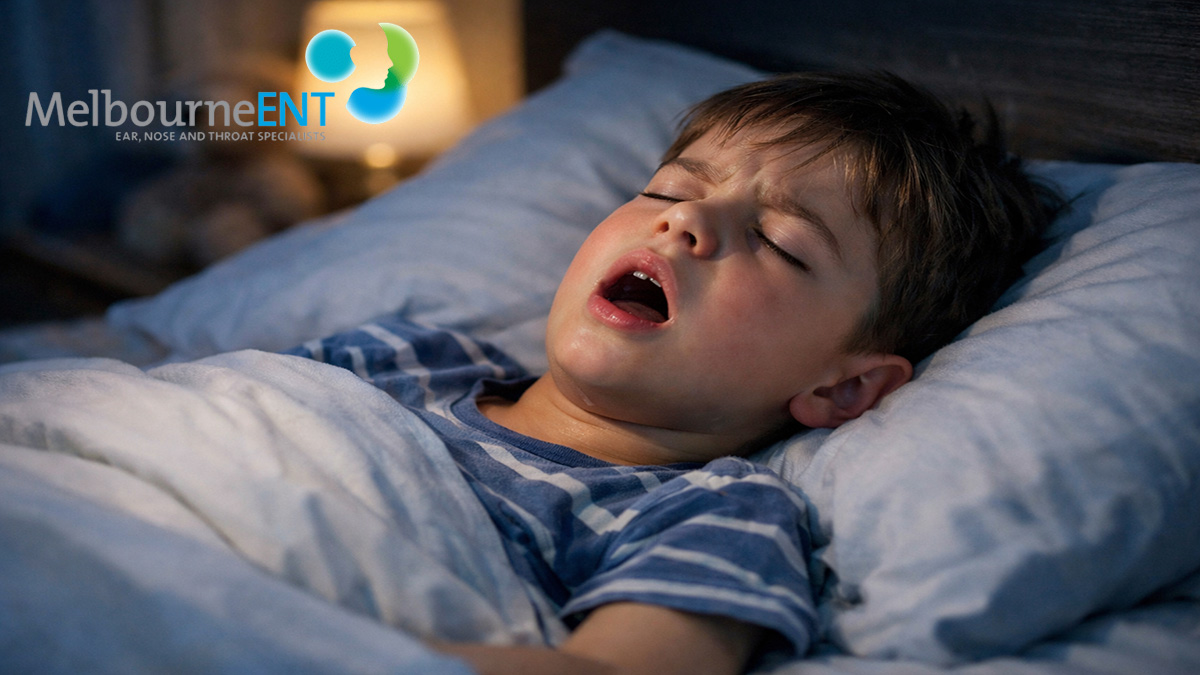
A child may be a candidate for assessment if they snore loudly on most nights for a number of weeks or months rather than only during infections. Parents may notice that the snoring is accompanied by pauses in breathing, gasps, choking sounds or restless movements. Some children twist and turn throughout the night or sweat heavily despite a comfortable room temperature. Others sleep in unusual positions such as with their neck extended backwards or sitting up against their pillow, which may be their body’s way of trying to keep the airway open.
Daytime signs can be just as important as night time symptoms. A child who does not sleep well may be difficult to wake in the morning or seem tired and flat during the day. Some become irritable, moody or easily upset. Others appear overactive, unable to sit still or constantly on the go, which can be misinterpreted as naughtiness. Teachers may report that the child is struggling to focus, forgetting instructions, falling behind in schoolwork or having difficulty with behaviour in the classroom. When these issues occur in combination with snoring or disturbed sleep, it is reasonable to consider sleep disturbed breathing as one possible contributor.
Certain children are also at higher risk of sleep disordered breathing because of their anatomy or underlying health conditions. This includes children with very large tonsils, those with frequent tonsil or ear infections, and those with persistent nasal allergies or congestion. Children who are above a healthy weight for their age and height may have increased soft tissue in and around the airway that makes collapse more likely during sleep. Children with a small lower jaw, a narrow upper jaw or specific craniofacial syndromes may have a smaller airway space. Children with conditions such as Down syndrome or neuromuscular disorders are also known to be more prone to obstructive sleep apnoea.
In practice, your GP or paediatrician will consider the whole story. A referral to Melbourne ENT is more likely when symptoms are persistent or worrying, when there are daytime concerns about behaviour or learning, or when risk factors are present. The goal of the specialist assessment is to determine whether the pattern of symptoms, examination findings and any test results fit with clinically significant sleep disturbed breathing and, if so, which treatments might be helpful.
Benefits Of Treating Sleep Disturbed Breathing In Kids
The main reason for treating sleep disturbed breathing in children is to improve the way they breathe during sleep and to support better quality sleep overall. While individual results vary and no specific outcome can be guaranteed, there are several potential benefits that are often considered when deciding whether to proceed with treatment.
From a breathing and airway perspective, effective treatment may reduce episodes of airway narrowing and obstruction. When the airway remains more open, snoring can lessen and the number of apnoea events may fall. This can lead to more stable oxygen levels and less strain on the heart and lungs. Children who were previously using a lot of energy simply to breathe at night may find that their bodies can relax more fully during sleep.
Improved breathing during sleep can support deeper and more restorative sleep cycles. Families sometimes notice that their child sleeps more quietly, wakes less often and appears more refreshed in the morning. As sleep quality improves, some children experience better daytime alertness, steadier mood and improved tolerance for everyday frustrations. Teachers may report improved attention, concentration or participation at school. These changes are not universal and should never be promised, but they represent common goals of treatment.
For children with more severe or long standing sleep apnoea, there may also be benefits for growth and physical health. Poor quality sleep can influence appetite, hormone patterns and growth. In some cases, treating significant sleep disordered breathing can help support more typical growth and may reduce the risk of future effects on blood pressure and metabolic health. The degree of benefit depends on many factors, including the baseline severity of the condition, the timing of treatment and the presence of other medical issues.
There can also be important benefits for the family as a whole. Listening to a child snore loudly, gasp or appear to stop breathing can be very distressing for parents and carers. Many describe lying awake at night listening to their child’s breathing and feeling anxious about what might happen. When breathing becomes quieter and more regular, some families report feeling less fearful and more able to rest themselves. These emotional aspects are acknowledged and respected during consultations, but they are always considered alongside the objective medical considerations.
Consultation For Sleep Disturbed Breathing In Kids
If your child is referred to Melbourne ENT for suspected sleep disturbed breathing, the initial consultation is designed to be thorough, calm and informative. The aim is to understand your child’s symptoms in detail, examine the airway, review any previous tests and discuss possible management options.
During the consultation, the surgeon will take a detailed history. You may be asked when the snoring or noisy breathing first began, whether it occurs on most nights, and whether you have ever noticed pauses in breathing, gasping, choking or unusual movements during sleep. Questions about waking during the night, nightmares, bedwetting, morning headaches and daytime tiredness help build a clearer picture of sleep quality. Behavioural issues, school performance and mood changes are also discussed because they can be linked to disrupted sleep.
Your child’s past medical history is an important part of the assessment. The surgeon will ask about previous tonsil or ear infections, hospital admissions, asthma, allergies and any known syndromes or neuromuscular conditions. They may review letters from your GP, paediatrician or other specialists and, if available, any previous sleep studies, blood tests or imaging results. Bringing copies of relevant reports and a list of medications can be very helpful.
A careful physical examination is then performed in a child friendly manner. This usually includes looking at the nose, mouth and throat, assessing the size and appearance of the tonsils and considering whether adenoid enlargement is likely. The surgeon may observe how your child breathes through the nose and mouth and may note jaw and facial features that affect airway size. General growth and overall health are also considered, as these can influence both risk and treatment decisions.
After gathering this information, the surgeon will explain their findings and outline possible next steps. For some children, the recommended plan may be a period of watchful waiting, with monitoring and medical management of allergies or nasal congestion. For others, a formal sleep study may be recommended before deciding on treatment. In children where enlarged tonsils and adenoids appear to be contributing significantly and symptoms are more marked, surgery may be discussed as an option. Throughout this process, you are encouraged to ask questions, to express your concerns and to take time to consider the recommendations. You are also welcome to seek a second opinion from another appropriately qualified specialist if you wish.
A current referral from your GP or paediatrician is usually required to claim Medicare rebates for the consultation. The team at Melbourne ENT can provide guidance on how to prepare for the appointment, including whether short videos of your child sleeping might be helpful.
How Is It Performed (Surgery For Sleep Disturbed Breathing In Kids)
Not every child with sleep disturbed breathing will require surgery. In mild or borderline cases, careful monitoring, medical treatment for allergies and lifestyle adjustments may be all that is needed. However, when enlarged tonsils and adenoids are clearly contributing to airway obstruction and symptoms are significant, surgery may be recommended as one of the treatment options.
The most common operations for sleep disordered breathing in otherwise healthy children are adenoidectomy, tonsillectomy and adenotonsillectomy. Adenoidectomy involves removing adenoid tissue from the back of the nose, which can reduce nasal blockage and mouth breathing. Tonsillectomy involves removing the tonsils from each side of the back of the throat, which can create more space for airflow. When both structures contribute to obstruction, adenotonsillectomy may be advised. The specific operation recommended will depend on your child’s anatomy, symptoms and test results, and this will be explained in detail at the consultation.
Surgery is performed in an accredited hospital under a general anaesthetic administered by a specialist anaesthetist. Before the procedure, the anaesthetist will review your child’s medical history, discuss fasting requirements and answer questions about the anaesthetic. On the day, your child is taken into the operating theatre and gently put to sleep using medications. Throughout the operation, the anaesthetist monitors breathing, heart rate, blood pressure and other vital signs.
The surgeon works through the mouth and, for adenoid surgery, through the back of the nose. There are no cuts on the outside of the face or neck. The tonsils and adenoids are removed using techniques and instruments that the surgeon has selected based on training, experience and the needs of the child. The aim is to remove the obstructing tissue, control bleeding and leave the area ready to heal. The operation itself usually takes a relatively short time, but additional time is required for preparation and recovery.
After surgery, your child is moved to the recovery area where nursing and anaesthetic staff monitor them closely as they wake from the anaesthetic. Once your child is awake, breathing comfortably and able to drink, they will either remain in hospital for observation or be discharged home later that day, depending on age, medical history and the nature of the surgery. Younger children and those with more complex medical conditions or more severe pre operative sleep apnoea may need an overnight or longer stay for close monitoring. The surgeon will advise what is safest in your child’s situation.
In some children, particularly those with significant obesity, complex conditions or patterns of airway collapse that are unlikely to be fully corrected by surgery, non surgical treatments such as continuous positive airway pressure devices, weight management programs or orthodontic interventions may be recommended, either instead of or in addition to surgery. The decision is always tailored to the child and takes into account current clinical guidelines and the best available evidence.
Recovery After Surgery For Sleep Disturbed Breathing In Kids
Recovery after adenoidectomy, tonsillectomy or adenotonsillectomy is an important part of the overall treatment plan. Melbourne ENT provides written postoperative instructions specific to the procedure and to your child, but some general principles apply.
Immediately after surgery, your child may feel drowsy, confused or upset as the anaesthetic wears off. Nurses monitor breathing, pulse and comfort closely, and pain relief is started early. Throat discomfort is expected and may be quite noticeable. Once your child is fully awake, able to drink and medically stable, they are transferred from the recovery area to the ward or day surgery unit. Before discharge, you will be given clear instructions about medications, eating, drinking, activity and what to do if problems arise.
During the first few days at home, throat pain is usually at its worst. It may radiate to the ears, which is a common effect of shared nerve pathways rather than a new ear infection. Regular pain medication as prescribed is very important. Waiting until pain becomes severe before giving medication can make it harder to bring discomfort back under control. Children often prefer cool drinks, ice blocks and soft foods at first, but it is also helpful to gently encourage a return to more normal eating as they are able, as chewing can support healing. Keeping up fluid intake is essential to reduce the risk of dehydration.
Pain and general wellbeing can fluctuate as the throat heals. Many parents notice that around days five to seven there is a temporary increase in discomfort as the healing tissue changes and scabs begin to loosen. During this time, bad breath and a whitish or yellowish coating at the back of the throat are usually signs of normal healing rather than infection. However, if your child develops a high temperature, appears very unwell or you are worried, you should contact the treating team or seek medical review as directed in your discharge information.
Children are usually kept away from school or childcare for a period recommended by the surgeon, commonly around ten to fourteen days, although this may vary. Rest and quiet activities at home are preferred. Running, jumping, rough play and swimming are typically restricted until the surgeon confirms that healing is adequate, because intense exertion can increase the risk of bleeding.
The most serious complication during recovery is bleeding from the mouth or nose. Any episode of bright red bleeding, especially if it is more than streaks mixed with saliva, requires urgent attention. Your written instructions will explain exactly where to go and whom to contact if this occurs. If in doubt, you should seek emergency help rather than waiting.
In the weeks and months after recovery, many families report changes in their child’s sleep. Snoring may become softer or disappear, breathing may sound less laboured and the child may appear more rested on waking. For some children, daytime behaviour, mood or school performance also change for the better. For others, the changes are more modest. Follow up appointments provide an opportunity to review healing, evaluate symptoms and plan any additional tests or therapies if needed.
Risks And Complications Of Treating Sleep Disturbed Breathing In Kids
All medical and surgical treatments carry potential risks as well as potential benefits. At Melbourne ENT, these are discussed carefully and openly so that families can make informed decisions. The information here is general and does not replace advice tailored to your child’s specific situation.
For surgical treatments such as adenoidectomy, tonsillectomy or adenotonsillectomy, common risks include significant throat pain for a period of time, difficulty eating and drinking, and a temporary reduction in energy as the body heals. Dehydration can occur if a child does not drink enough because of discomfort, and this sometimes requires review by a doctor or, rarely, a short hospital stay for fluids. Infection is less common but can occur and may present with increasing pain, fever and feeling generally unwell.
Bleeding is an important and well recognised risk. It can occur soon after the operation or be delayed by several days as the healing tissue changes. Many children never experience any significant bleeding, but when it does occur it can be serious and may require urgent assessment, further procedures or transfusion. Parents and carers are given clear instructions about what to look for and when to seek immediate help.
Anaesthetic risks are also considered. Reactions to medications, breathing issues or other complications can occur, although specialist paediatric anaesthetists are trained to anticipate and manage these events and modern monitoring technology adds further safeguards. Children with complex medical conditions may require additional preoperative assessment or surgery in a particular hospital setting with higher level support.
Less common or longer term issues can include changes in voice quality, particularly after adenoid surgery. Most children adapt and any differences are subtle or temporary, but occasionally further evaluation may be required if the voice becomes unusually nasal. Tonsil or adenoid tissue can sometimes regrow, and in some children symptoms of snoring or sleep apnoea can persist or recur, especially if underlying factors such as obesity or craniofacial structure continue to affect the airway. In those cases, additional treatments may be discussed.
There are also risks associated with not treating clinically significant sleep disordered breathing. Ongoing poor quality sleep can contribute to behavioural challenges, learning difficulties, growth concerns and cardiovascular strain, particularly in moderate to severe obstructive sleep apnoea. In some situations, non surgical treatments such as continuous positive airway pressure, lifestyle adjustments or orthodontic interventions may be recommended either instead of or in addition to surgery. The discussion at Melbourne ENT always includes both the risks of intervention and the risks of leaving things unchanged, so that the full picture can be considered.
Any surgical or invasive procedure carries risks. Before proceeding, you may wish to seek a second opinion from an appropriately qualified health practitioner.
Cost Of Treating Sleep Disturbed Breathing In Kids
The cost of assessing and treating sleep disturbed breathing in children varies according to the complexity of the condition and the type of care required. Factors include the length and number of consultations, whether additional tests such as sleep studies are needed, whether surgery is recommended and, if so, the choice of hospital and the length of stay. Fees for the surgeon, anaesthetist, hospital, pathology services and any other specialists involved are usually billed separately.
At Melbourne ENT, consultation fees reflect the time and expertise required to assess paediatric ENT conditions and to discuss potential treatment options. If surgery is recommended, the practice can provide a written estimate that outlines the expected surgeon’s fee and, where applicable, any known hospital arrangements. This estimate may also include item numbers that can be used when speaking to Medicare or a private health fund.
Exact out of pocket costs depend on your individual circumstances and on external factors such as Medicare rebates and private health insurance policies, which can change over time. For this reason, detailed fee information is usually discussed directly with families rather than published as fixed amounts. The practice team encourages parents to ask questions about fees and to consider financial aspects alongside clinical considerations when planning care.
Medicare Coverage And Insurance
In Australia, many assessments and procedures for medically diagnosed conditions such as sleep disordered breathing can attract Medicare rebates when specific criteria are met. A current referral from a GP or paediatrician is generally required for your child to claim a Medicare rebate for specialist consultations. Without a valid referral, Medicare may not contribute to the consultation cost.
When surgery is recommended for a clearly defined medical condition, Medicare item numbers may apply to procedures such as adenoidectomy, tonsillectomy or adenotonsillectomy. These item numbers allow Medicare to pay a portion of the surgeon’s fee. In many cases there is still a gap that remains as an out of pocket cost. The amount of the rebate depends on the item number and on the current Medicare schedule.
If your child has private hospital insurance, your health fund may contribute to hospital charges associated with surgery. The extent of this support depends on factors such as the level of cover, whether waiting periods have been served and whether the procedure is included under the policy. Excesses, co payments or shortfalls may still apply. Fees for anaesthetists, assistant surgeons, pathology and other services are usually billed by those providers and may attract separate rebates and gaps.
Because Medicare rules and private health insurance products are complex and change over time, Melbourne ENT staff cannot promise what Medicare or a particular health fund will pay. They can, however, usually provide item numbers and other details so that you can contact Medicare and your health fund directly for accurate, up to date information. If your child does not have private health insurance, your GP or paediatrician can discuss public hospital options or self funded arrangements where appropriate.
Why Choose Your Surgeon At Melbourne ENT
When parents seek care for a child with sleep disturbed breathing, they often look for specialists who combine technical expertise with clear communication and a thoughtful, child focussed approach. At Melbourne ENT in St Kilda East, care is provided by ENT and Head & Neck Surgeons who are Fellows of the Royal Australasian College of Surgeons, reflecting recognised specialist training and standards.
Dr Stephen Kleid has extensive experience in ENT and head and neck surgery, with training across major Melbourne hospitals and additional fellowship experience overseas. His background includes work with complex airway and head and neck conditions, which informs his understanding of how the nose, throat and surrounding structures interact in each child’s airway. He is involved in teaching and research, contributing to an evidence based practice style.
Dr Simon Braham has completed both general surgery training and ENT fellowship and has undertaken additional advanced training in surgery involving the nose and face. He works in both private and public hospital settings and has a strong interest in paediatric ENT surgery, nasal and sinus surgery and procedures aimed at improving snoring and sleep apnoea. His experience with both children and adults allows him to consider how anatomy and function change over time and how this may relate to long term outcomes.
Both surgeons place emphasis on clear, honest discussions with families. They recognise that every child and family is different and that there is rarely a single right answer for everyone. Assessments are individualised and recommendations are tailored to the child’s symptoms, examination findings, test results and overall health. Non surgical options are discussed where appropriate, and the potential risks and benefits of each path are explained in accessible language. Parents are encouraged to ask questions, to involve their child in discussions where appropriate and to seek a second opinion if that would assist in decision making.
The practice team at Melbourne ENT supports families at every stage, from arranging appointments and providing written information to coordinating care with GPs, paediatricians, sleep physicians and other health professionals. The aim is to provide care that is safe, evidence based and respectful of each family’s values and circumstances.
FAQs About Sleep Disturbed Breathing In Kids
Can My Child Still Have A Problem If They Only Snore When Exhausted Or After Sport?
Some children appear to snore or breathe noisily only when they are extremely tired or after a particularly active day. This pattern does not automatically mean there is a serious condition, but it can suggest that the airway is working close to its limit at those times. When the body is very fatigued, muscles relax more deeply, including those that support the airway. If snoring in these situations becomes more frequent, louder or associated with pauses in breathing, restless sleep or daytime concerns, it is sensible to mention this pattern to your GP or paediatrician, who can advise whether further assessment is appropriate.
Could Sleep Disturbed Breathing Be Contributing To My Child’s Anxiety Or Emotional Ups And Downs?
Sleep quality can have a significant impact on how a child manages emotions. A child who does not sleep well may be more prone to tears, frustrations and worries, even when there is no obvious major stress in their life. They might find it harder to cope with everyday challenges, such as getting ready for school or managing friendships. While sleep disturbed breathing is unlikely to be the only cause of emotional ups and downs, it can be one contributing factor among many. Discussing both emotional wellbeing and sleep patterns with your healthcare team allows a more complete approach, which may include support for mental health as well as assessment of breathing during sleep.
How Does Sleep Disturbed Breathing Interact With ADHD Or Autism Diagnoses?
Many children with ADHD or who are on the autism spectrum have differences in sleep, including difficulty winding down, taking longer to fall asleep or waking during the night. If sleep disturbed breathing is also present, the combined effect can be more complex. Poor quality sleep can worsen attention and impulse control, which may already be areas of challenge in ADHD, and changes in routine or hospital visits can be particularly stressful for neurodivergent children. Treating significant sleep disordered breathing may improve some aspects of daytime functioning, but it does not change the underlying diagnosis or remove the need for ongoing support. For that reason, ENT specialists often work closely with paediatricians, psychologists and other professionals so that sleep is considered as part of a broader care plan.
Is It Helpful To Record My Child Sleeping Before The Appointment?
Short, discreet video recordings of your child sleeping can sometimes be very helpful in illustrating what happens at home. They can show the pattern of snoring, the position your child prefers, any pauses in breathing and how they resume breathing afterwards. These observations complement the history you provide in words. However, recordings do not replace a physical examination or a formal sleep study when that is recommended. If you choose to make a recording, try to capture typical nights rather than only extreme episodes, and maintain a safe environment where your child can sleep as naturally as possible. Your GP or ENT specialist can offer guidance on what sort of recordings might be most useful.
What If My Child Seems Full Of Energy In The Day Despite Very Noisy Nights?
Children do not always show tiredness in the same way as adults. Instead of appearing sleepy and slow, some children respond to chronic tiredness by becoming more active, fidgety or impulsive. A child who snores heavily at night but races through the day with seemingly endless energy may, in fact, be using activity as a way of staying alert. This does not mean that every energetic child has sleep disturbed breathing, but it highlights that a mismatch between very noisy, restless sleep and an overactive daytime pattern can still be a reason to consider an assessment. Exploring both sleep and behaviour together with your healthcare team can help clarify what is happening.
Will My Child Definitely Need A Sleep Study Before Any Treatment Is Considered?
A formal overnight sleep study can provide detailed information about breathing patterns, oxygen levels and sleep stages, but it is not mandatory in every case. In some straightforward situations, particularly when symptoms and examination findings are very clear and the child is otherwise healthy, a specialist may feel that the likely benefits of treatment are sufficiently evident without a sleep study. In more complex cases, where the severity of the problem is unclear, where there are additional medical conditions or where the balance of risks and benefits is more finely tuned, a sleep study can be very valuable in guiding decisions. Whether it is recommended will depend on your child’s individual situation, and your specialist will explain how the results, if obtained, would influence the management plan.
What Happens If My Child Is Very Frightened Of Hospitals Or Anaesthesia?
Fear of hospitals, surgery or anaesthesia is common in children and parents alike. If your child is particularly anxious, this can be discussed openly at the consultation so that strategies can be planned in advance. Sometimes, simple explanations using age appropriate language, a visit to the hospital beforehand or involvement of a play therapist can make a big difference. Bringing a familiar comfort item, planning how you will be present before and after the procedure and rehearsing the day in a calm, reassuring way may also help. In some cases, additional psychological support is useful to prepare a very anxious child. Importantly, significant fear does not automatically mean that treatment cannot go ahead. It means the team needs to weigh both medical needs and emotional wellbeing and to work with you to find an approach that is as supportive and gentle as possible.
Medical References
- Pediatric Sleep‐Disordered Breathing Year in Review 2024 – https://pmc.ncbi.nlm.nih.gov/articles/PMC12447667/
- Craniofacial anatomical determinants of pediatric sleep-disordered breathing: A comprehensive review – https://pubmed.ncbi.nlm.nih.gov/39557815/
- Prevalence of Sleep-related Breathing Disorders in Children with Mixed Dentition – https://pmc.ncbi.nlm.nih.gov/articles/PMC12658437/
- Sleep‐disordered breathing – year in review 2024 – https://pmc.ncbi.nlm.nih.gov/articles/PMC11921083/
- Diagnostic accuracy of the Belun ring in children at risk of obstructive sleep apnea – https://pubmed.ncbi.nlm.nih.gov/39297539/
- Sleep disorders five years after acute provoked neonatal seizures – https://digitalcommons.wustl.edu/cgi/viewcontent.cgi?article=6815&context=oa_4
- Prevalence of Sleep-related Breathing Disorders in Children with Mixed Dentition – https://pubmed.ncbi.nlm.nih.gov/41328383/
What To Do Next
If you are worried about your child’s snoring, breathing or sleep quality, the first step is to speak with your GP or paediatrician. They can assess your child more broadly, consider other causes of symptoms and determine whether a referral to Melbourne ENT or another specialist service is appropriate.
If your child is referred to Melbourne ENT in St Kilda East, Dr Stephen Kleid and Dr Simon Braham will carefully assess their airway, sleep related symptoms and general health, and will discuss the full range of reasonable options, including non surgical management where appropriate. Any recommendation for surgery or other treatment will take into account current evidence, clinical guidelines and your family’s circumstances and preferences.
The information on this page is general in nature and does not constitute personal medical advice. Any surgical or invasive procedure carries risks. Before proceeding, you should discuss your options with your GP, paediatrician and specialist, and you may wish to seek a second opinion from an appropriately qualified health practitioner.
Further Reading
- Read more about Snoring Surgery Melbourne
- Read more about Tonsillitis Melbourne
- Read more about Sleep Disturbance Melbourne
- Read more about Voice and Larynx Disorders
- Read more about Breathing Problems for Adults Melbourne