

Nasal polyps are soft, non cancerous swellings that form inside the lining of the nose and sinuses. When they grow large or become numerous, they can block airflow, reduce the sense of smell and taste, contribute to recurrent sinus infections, and disturb sleep. Many people live with these symptoms for years before seeking help, often assuming that a constantly blocked nose or repeated sinus problems are simply part of life.
At Melbourne ENT in St Kilda East, Victoria, nasal polyps surgery, also known as FESS offered as a form of ENT surgery that focuses on improving breathing, sinus health, and day to day comfort. The procedure is performed by specialist ENT and Head and Neck Surgeons, Dr Stephen Kleid and Dr Simon Braham, who provide care from the initial consultation through to post operative follow up.
Polypectomy is considered part of a functional endoscopic sinus surgery (FESS). In most cases there is little or no visible change to the outside of the nose, because the work is performed inside the nasal passages and sinus openings. The main aim of this ENT surgery is to relieve obstruction, improve drainage, and create better access for long term medical treatment of the sinus lining.
What Is Nasal Polyps Surgery
Nasal polyps surgery, or FESS, is an ENT surgery that removes polyp tissue from within the nasal cavity and, when required, from the sinus openings. Polyps arise from chronic inflammation in the lining of the nose and sinuses. They occur in people with chronic rhinosinusitis and may be associated with conditions such as asthma, aspirin sensitivity, or allergic disease, although sometimes no obvious cause is found.
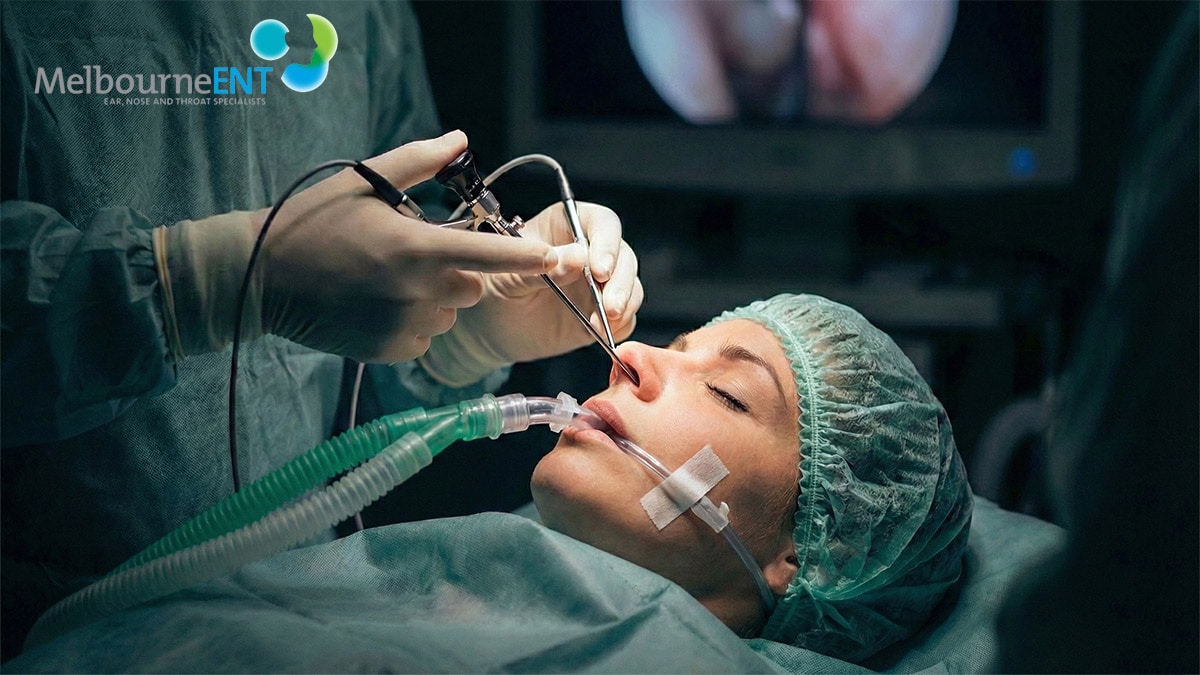
During FESS the surgeon uses a small telescope called an endoscope to look inside the nose. This endoscope is connected to a camera and monitor, producing a magnified view of the nasal passages and sinus areas. Through the nostrils, delicate instruments, including a powered shaver in many cases, are used to remove polyp tissue and other obstructing material while preserving normal structures as much as possible. All of this occurs internally without cuts on the skin of the face.
Polypectomy is part of endoscopic sinus surgery. In that situation the natural drainage pathways of the sinuses are gently widened and diseased tissue is cleared from those spaces. This combination aims to improve ventilation, reduce the tendency for infection, and allow medications such as nasal steroid sprays and saline rinses to reach the sinus lining more effectively. The approach to each patient is individual, and the surgeon plans the ENT surgery according to the pattern of disease seen on endoscopy and on sinus scans.
Overall, this procedure is considered a functional operation, meaning that the focus is on improving how the nose and sinuses work. Typical goals include easier nasal breathing, fewer sinus infections, less facial pressure, and, in some cases, improvement in the sense of smell.
Who Needs It (Candidates For Nasal Polyps Surgery)
Not every person with nasal polyps will require ENT surgery. Many people respond well to medical treatment, especially when this includes regular nasal steroid sprays, saline rinses, and short supervised courses of oral steroids. Surgery is more likely to be considered when symptoms are persistent, troublesome, and have not improved despite adequate non surgical therapy.
People who may be candidates for nasal polyps surgery often describe a long history of nasal blockage that affects one or both sides. Some notice that they are almost always congested and find themselves breathing through the mouth, particularly at night resulting in sleep disturbance. Others report a reduced or absent sense of smell, thick nasal discharge, or post nasal drip that leads to frequent throat clearing and coughing. Recurrent or chronic sinus infections, with facial pressure, headaches, and a feeling of fullness in the cheeks or forehead, are also common features.
CT scans of the sinuses can show how extensive the polyps and inflammation are. When scans reveal widespread disease involving several sinuses or show that drainage pathways are obstructed by polyp tissue, ENT surgery may be advisable to restore ventilation and drainage. People with significant sleep disturbance, snoring, or symptoms of sleep apnoea that are linked to nasal obstruction may also be considered for polypectomy as part of their broader management plan.
In deciding whether to recommend surgery, the ENT surgeon takes into account not just the scan findings and endoscopic appearance, but also general health, other respiratory conditions such as asthma, medication use, and the impact of symptoms on quality of life. ENT surgery is usually advised when the potential benefits are felt to outweigh the risks and when conservative treatments have been reasonably explored.
Benefits Of Nasal Polyps Surgery
The benefits of nasal polyps surgery vary between individuals, and specific outcomes can never be guaranteed. However, many patients experience meaningful improvements after polypectomy as part of their ENT surgery.
A key potential benefit is easier nasal breathing. When polyps and other obstructing tissue are removed, air can pass more freely through the nasal passages. Patients often describe feeling less blocked and more at ease breathing through the nose both during the day and at night. This can make general activity, exercise, and sleep more comfortable, and may reduce the sense of needing to struggle for air.
Another potential benefit relates to sinus infections. By opening the sinus drainage pathways and removing diseased tissue, polypectomy and associated sinus surgery aim to create a better ventilated environment inside the sinuses. This can help reduce the conditions that allow infection to take hold. As a result, some patients experience fewer episodes of acute sinusitis, fewer antibiotics, and less time feeling unwell with sinus related symptoms.
Many people with nasal polyps notice that their sense of smell and taste is reduced before surgery. When obstruction and inflammation are improved, odours can sometimes reach the smell receptors again, and ongoing medical therapy may work more effectively. Some individuals report gradual improvement in smell and taste over the months after ENT surgery. It is important to emphasise that if smell loss has been long standing or severe, it may not fully recover, and this is discussed honestly during the consultation.
Broader quality of life benefits can also occur. Less congestion, fewer infections, and improved sleep can reduce fatigue and improve daytime energy and concentration. People may find it easier to participate in work, social activities, and exercise without feeling limited by constant nasal or sinus symptoms. The overall aim of ENT surgery in this context is to reduce the burden of chronic sinus disease and support long term management.
Consultation For Nasal Polyps Surgery
The process of considering nasal polyps ENT surgery begins with a thorough consultation at Melbourne ENT. In Australia, a referral from a general practitioner is usually required to access Medicare rebates for specialist appointments, and your GP remains an important partner in your ongoing care.
During the consultation, the surgeon takes time to listen to your concerns in detail. You may be asked how long you have noticed nasal blockage, how often you experience sinus infections, whether your smell and taste have changed, and how your symptoms affect sleep, work, exercise, and daily activities. Previous treatments such as nasal sprays, antihistamines, antibiotics, and oral steroids are reviewed to see what has been tried, for how long, and with what effect.
Your general medical history is also discussed. Conditions such as asthma, allergies, aspirin or other non steroidal anti inflammatory drug sensitivity, blood clotting disorders, and cardiovascular or respiratory diseases are important to identify. Current medications, including blood thinners and any complementary therapies, are recorded, because these can influence the safety and planning of ENT surgery and anaesthesia.
A nasal endoscopy is usually performed in the consulting room. After a local anaesthetic spray is applied, a fine rigid or flexible telescope is gently passed into the nose. This allows the surgeon to directly visualise the nasal passages, polyps, and sinus drainage areas. The examination typically takes only a few minutes and is generally well tolerated.
If a CT scan of the sinuses has already been arranged, it will be reviewed with you. If not, your surgeon may request one in order to define the extent and pattern of disease more precisely. The scan shows which sinuses are affected, the location and volume of polyp tissue, and the relationship of disease to structures such as the eye sockets and skull base.
Once the clinical picture is clear, the surgeon explains the management options. In some cases, medical therapy is optimised further, for example by adjusting nasal steroid treatment or addressing allergy triggers. In other cases, ENT surgery such as endoscopic sinus surgery is recommended as the most appropriate next step. The reasons for this advice, the expected course of recovery, possible benefits, and potential risks and complications are all explained in accessible language. You are encouraged to ask questions and to take time to consider your choices.
How Is It Performed (Surgery For Nasal Polyps)
Nasal polyps surgery is almost always carried out as an endoscopic procedure under general anaesthesia. This means you are fully asleep while the operation takes place, and a specialist anaesthetist continuously monitors and manages your breathing, circulation, and comfort. The ENT surgery is performed in a hospital setting that provides appropriate theatre facilities, nursing care, and recovery support.
After anaesthesia has been safely established, the surgeon introduces the endoscope into the nose. This slender telescope provides a magnified view of the nasal cavity and sinus openings on a video screen. Through the nostrils, delicate instruments are used to remove polyps. A powered device called a microdebrider is often used, which allows controlled shaving of polyp tissue while preserving as much healthy mucosa as possible.
When sinus surgery is also required, the natural drainage pathways of the sinuses are identified and carefully widened. Small amounts of bone and soft tissue are removed in a planned, stepwise fashion, guided by the CT scan and intraoperative visualization. The aim is to create an open, well ventilated system that allows mucus to drain freely and enables topical medications to reach the sinus lining effectively after surgery.
Throughout the procedure, careful techniques are used to minimise bleeding. This can include gentle tissue handling, use of vasoconstrictor agents, and meticulous attention to small blood vessels. At the end of the operation, absorbable materials may be placed inside the nose to support healing and reduce oozing. The planned approach is discussed with you before the operation.
The length of nasal polyps ENT surgery depends on the extent of disease and the complexity of the sinus work required. Some procedures are relatively short, while others take longer. After the surgery, you are transferred to the recovery area, where nursing staff and the anaesthetist observe you as you wake. Many patients are able to go home on the same day, once they are comfortable and medically stable, while others may stay overnight, particularly if their surgery has been more extensive, they live alone, or they have other medical conditions that warrant closer monitoring.
Recovery After Nasal Polyps Surgery
Recovery after polypectomy and sinus surgery is a gradual process and can vary between individuals. It is common to experience a blocked or stuffy sensation in the nose for some time after surgery, even though the polyps have been removed. This feeling is due to swelling of the nasal lining, the presence of dried blood and mucus, and any absorbable materials used during the procedure.
In the first few days after ENT surgery, light blood stained discharge from the nose is expected. You may see this on tissues or on a small gauze dressing placed beneath the nostrils. The amount usually decreases over one to two days. Discomfort is often described as pressure or heaviness rather than sharp pain, and simple pain relief medicine, taken as directed, is usually adequate.
Fatigue is also common in the first week. Anaesthetic drugs can remain in the system for a short time, and the body uses energy to heal the operated tissues. It is generally recommended that you rest at home, avoid strenuous activity, arrange time away from work or study, and refrain from heavy lifting or vigorous exercise. Activities that involve bending forward can increase pressure in the nose and may increase the chance of bleeding, so they are usually limited until your surgeon advises that it is safe to resume them.
Nasal care plays a significant role in recovery. Saline rinses or sprays are often recommended to keep the nasal passages moist, to loosen crusts, and to support healing. These rinses help maintain the patency of the newly opened sinus pathways and reduce the chance of blockages. Your surgeon will explain when to start rinsing and how often to continue. Forceful nose blowing, picking inside the nostrils, or inserting cotton buds should be avoided, because these actions can disturb delicate healing tissue.
Over the ensuing weeks, nasal breathing tends to improve as swelling settles and crusts clear. The sense of smell, if it is going to improve, usually does so gradually rather than immediately. Follow up appointments are scheduled so that the surgeon can examine the nose with an endoscope, remove crusts where necessary, and ensure that healing is progressing as expected. This post operative care is an important component of ENT surgery for nasal polyps and helps maintain the benefits achieved during the operation.
Patients are advised to contact the practice or seek urgent assessment if they experience heavy or continuous bleeding, severe pain that does not respond to medication, sudden changes in vision, a significant increase in swelling around the eyes, or a high fever associated with severe headache or neck stiffness. These issues are uncommon, but prompt review is important whenever there is concern.
In the longer term, ongoing use of nasal steroid sprays and regular saline irrigations are often recommended. These measures support sinus health, help to control inflammation, and may reduce the risk of polyps returning. Your surgeon will provide a tailored long term plan based on your underlying condition and your response to surgery. Investigation of the cause of the underlying inflammation and/or referral to an immunologist to prevent recurrence is recommended.
Risks And Complications Of Nasal Polyps Surgery
All surgery carries some degree of risk, and nasal polyps ENT surgery is no exception. Understanding these risks is essential for making an informed decision about treatment. Your surgeon will discuss potential complications in detail before you consent to surgery and will provide written information for you to read at home.
Bleeding is one of the more frequently discussed risks. A small amount of oozing is expected after polypectomy, but in a minority of cases bleeding can be heavier and may require additional treatment such as nasal packing, cauterisation, or, rarely, a return to theatre. Infection is another possible complication, even though care is taken to operate under controlled conditions. Signs of infection can include increasing pain, swelling, and fever, and these require prompt medical review.
Some patients may find that nasal blockage or sinus symptoms are improved but not completely resolved. Others may experience recurrence of polyps over time, since surgery treats the existing growths but does not completely remove the underlying tendency to inflammation. In such cases, further medical therapy, and occasionally additional ENT surgery, may be needed in the future.
Changes in the sense of smell and taste can also occur. In some people, these senses improve after surgery as airflow and inflammation are better controlled. In others, there may be little change, and in rare situations there can be a decline. The probable outcome for smell and taste depends on factors such as how long the problem has been present and the degree of damage to the smell lining prior to surgery.
Risks related to general anaesthesia include reactions to medications, breathing or heart related issues, and other complications influenced by individual health. These are carefully assessed and managed by the anaesthetist, who will review your medical history and discuss specific concerns before the operation.
Because the sinuses are located near the eyes and the brain, more serious complications involving these areas are possible but rare. These can include injury to the eye socket or to the thin bone separating the sinuses from the cranial cavity. Detailed pre operative imaging, experienced surgical technique, and careful intraoperative assessment help to reduce the likelihood of these events. Your surgeon will explain how your anatomy and CT findings influence the risk profile in your particular case.
Melbourne ENT also provides general information about surgical risks and steps patients can take to reduce complications, such as stopping smoking where relevant, managing medications correctly, following fasting instructions, and adhering to post operative care advice.
Cost Of Nasal Polyps Surgery
The cost of nasal polyps ENT surgery varies between patients and depends on a range of factors. It is therefore not possible to provide a single figure that applies to everyone. In most cases, the total cost includes the surgeon’s fee, the anaesthetist’s fee, hospital or day surgery charges, and any additional investigations or pathology services required around the time of surgery.
The complexity and duration of the procedure influence the overall cost. A relatively straightforward polypectomy is different from a more extensive combined polypectomy and sinus operation that takes longer to perform. Whether you require a day stay or an overnight admission can also affect hospital charges, as can the choice of hospital and type of accommodation.
At Melbourne ENT, a written estimate of fees is provided after your consultation, once the surgeon has reviewed your clinical findings and recommended an appropriate treatment plan. This estimate outlines the expected professional fees and indicates which elements may attract a Medicare rebate. It also helps you understand any gap that may remain once Medicare and, where applicable, private health insurance contributions have been taken into account.
For more detailed and current information about fees and administrative processes, patients are encouraged to refer to the costs and fees information on the practice website or to speak directly with the reception and billing staff. They can explain item numbers, timing of payments, and the financial consent documentation that is typically completed before ENT surgery.
Medicare Coverage And Insurance
In Australia, nasal polyps surgery is generally considered a medically necessary procedure when it is carried out to treat chronic rhinosinusitis, obstructive nasal polyps, or related complications such as recurrent infection and significant nasal blockage. In many cases, the procedure is associated with Medicare Benefits Schedule item numbers, provided that clinical criteria are met.
Medicare usually contributes to part of the surgeon’s and anaesthetist’s professional fees when appropriate item numbers are applied. The level of rebate is determined by government schedules, which can change over time. There is often a difference between the scheduled fee and the amount charged by specialists, and this difference may form an out of pocket cost for the patient.
Private health insurance can assist with hospital related costs for ENT surgery when the patient holds an appropriate level of hospital cover and has served any relevant waiting periods. Depending on the policy, the insurer may contribute to theatre fees, hospital accommodation, and certain other charges. Many policies include an excess or co payment that the patient pays directly to the hospital.
The team at Melbourne ENT can provide you with relevant Medicare item numbers and general guidance so that you can contact Medicare and your health fund for personalised advice about coverage and rebates. It is strongly recommended that you speak with your insurer prior to booking surgery, so that you are aware of any exclusions, waiting periods, or limits that may apply to your policy.
Why Choose Your Surgeon
Selecting a surgeon for nasal polyps ENT surgery involves considering training, experience, communication, and the broader approach to patient care. At Melbourne ENT, nasal polyps and sinus procedures are performed by Dr Stephen Kleid and Dr Simon Braham, both of whom are Fellows of the Royal Australasian College of Surgeons in Otolaryngology Head and Neck Surgery.
Dr Stephen Kleid completed his medical training at the University of Melbourne and undertook advanced surgical training at major Melbourne hospitals including Royal Melbourne Hospital, Royal Children’s Hospital, and the Royal Victorian Eye and Ear Hospital. He went on to complete fellowship training in ENT and head and neck tumours at the University of Florida and has held senior roles such as Head of Department at Royal Melbourne Hospital and senior ENT and Head and Neck Tumour Surgeon at Peter MacCallum Cancer Centre. His practice includes a broad range of ENT surgery, with experience in complex head and neck conditions as well as nasal and airway procedures.
Dr Simon Braham graduated with honours from Monash University and completed general surgical training before focusing on ENT surgery. He then undertook additional training in nasal and facial surgery in New York and Boston. Since 2001 he has worked in both private and public sectors, with appointments at the Royal Victorian Eye and Ear Hospital and Kyneton Hospital, and consulting at Masada Private Hospital and in Sunbury. His interests include paediatric ENT, nasal and sinus surgery, management of snoring and sleep apnoea, and disorders of the voice.
Both surgeons place strong emphasis on evidence based practice, careful assessment, and clear communication. They focus on understanding each patient’s symptoms, expectations, and broader health, explaining all reasonable treatment options, and recommending ENT surgery only when they believe it is clinically appropriate and likely to offer worthwhile benefit. The aim is steady, safe, long term improvement rather than short term trends or cosmetic emphasis.
At Melbourne ENT, patients benefit from continuity of care, with the same specialist guiding them from initial consultation through to the later stages of recovery. The practice also maintains close communication with general practitioners and, when appropriate, with other specialists such as respiratory physicians and allergists, to ensure that associated conditions are managed in a coordinated and holistic way.
FAQs About Nasal Polyps Surgery (Polypectomy)
Can nasal polyps surgery still be helpful if my sense of smell has been reduced for many years and previous medications have not made much difference?
In some people, ENT surgery can improve airflow and allow medications to reach the smell lining more effectively, which may lead to some improvement in smell over time. However, if the sense of smell has been significantly reduced for many years, there may be permanent damage to the smell receptors, and improvement can be limited. Your surgeon will assess your history, examine your nose, and review your scans to provide realistic guidance about what is and is not likely in your particular case.
If I have asthma or aspirin sensitivity, how does that change the way nasal polyps surgery is planned and how my condition is managed afterwards?
Asthma and aspirin sensitivity are important factors in the planning of ENT surgery for nasal polyps because they are often linked to more active and persistent inflammation. Your surgeon will work closely with your general practitioner and, where relevant, a respiratory or allergy specialist to optimise your asthma management before surgery. After polypectomy, people with these conditions usually require ongoing medical treatment, such as nasal steroids and other anti inflammatory medications, and regular follow up to help reduce the chance of polyps returning quickly.
What if my scans show only moderate disease but my symptoms feel severe could ENT surgery still be considered appropriate in that situation?
There is sometimes a mismatch between the severity of symptoms and the apparent degree of disease on imaging. Even with moderate radiological changes, some patients experience very troublesome blockage, headaches, and sleep disturbance. In such cases, the decision about ENT surgery is not based on the scan alone but also on the clinical examination, endoscopic findings, and the impact of symptoms on daily life. Your surgeon will discuss whether there are further medical treatments to try, and if these have been exhausted, whether a carefully planned operation could be reasonable despite only moderate changes on the CT scan.
How often do people need ongoing nasal sprays or rinses after surgery and what happens if I find it hard to keep up with that routine long term?
Nasal steroid sprays and saline rinses are usually recommended for the long term after polypectomy because they help control inflammation and support the benefits of ENT surgery. Many patients use saline rinses once or twice daily at least in the first months, and they often continue a nasal steroid spray in the longer term. If it is difficult to maintain this routine, your surgeon can work with you to simplify the plan or explore alternative approaches. It is important to discuss any difficulties with adherence, because stopping treatment suddenly may increase the risk of polyps recurring more quickly.
Is it normal to feel like my nose is more sensitive or easily irritated for a while after surgery and how long can that sensation last?
It is common for the nose to feel dry, crusty, or more sensitive than usual in the weeks after ENT surgery. The lining has been operated on and needs time to heal, and the normal mucus layer takes a while to re establish itself. Most people notice gradual improvement over several weeks, especially when they use saline rinses regularly. In some individuals with very sensitive mucosa or underlying allergy, a degree of sensitivity can persist for a longer period, but this often improves as inflammation settles and the nasal care routine becomes established.
If my work involves dusty environments, strong fumes, or frequent flying, does that affect the timing of surgery or the way I should plan my recovery?
Workplaces with dust, smoke, or strong fumes can irritate the nasal lining and may slow healing or worsen symptoms after polypectomy. Likewise, frequent flying can dry the nasal passages and affect sinus pressure. Your surgeon will usually advise avoiding dusty or fume heavy environments in the early weeks after ENT surgery and may recommend taking time away from such exposure while healing progresses. If frequent flying is unavoidable, specific strategies such as pre flight saline rinses, nasal moisturisers, and careful timing of surgery relative to travel plans can be discussed during your consultation.
When polyps grow back, are they usually milder and easier to control with medication or can they return in the same way as before surgery?
Polyps can return in a range of patterns. In some patients, recurrence is slow and relatively mild, and symptoms can be managed with regular nasal steroids and saline irrigations. In others, particularly those with strong underlying inflammatory conditions, polyps may grow back more quickly and can eventually lead to significant obstruction again. ENT surgery does not cure the underlying tendency to polyp formation, but it does create a better anatomical situation for ongoing medical treatment. Early review when symptoms begin to change can help address recurrence with less extensive measures where possible.
Next Steps And Booking A Consultation
If you have persistent nasal blockage, a reduced sense of smell, repeated sinus infections, or sleep disturbance that may be related to nasal polyps, a specialist assessment can help clarify the cause and outline your options. An ENT surgeon can examine your nose with an endoscope, review your medical history and imaging, and explain whether continued medical therapy or ENT surgery such as polypectomy is most appropriate in your situation.
To arrange a consultation at Melbourne ENT in St Kilda East, you can visit the contact page for further information and referral details. Appointments with Dr Stephen Kleid can be made by calling (03) 9038 1630, and appointments with Dr Simon Braham can be arranged by calling (03) 9038 1311.
The information on this page is intended as a general overview of nasal polyps surgery and does not replace personalised medical advice. A face to face consultation with an ENT specialist, in collaboration with your general practitioner, is the best way to determine whether polypectomy or any other ENT surgery is suitable and safe for you.
Further Reading
- Read more about FESS Surgery Melbourne
- Read more about Sinus Surgery
- Read more about Nose Surgery Melbourne
- Read more about Endoscopic Sinus Surgery Melbourne