


At Melbourne ENT, located in St Kilda East, Victoria, we specialise in diagnosing and treating a wide range of ear, nose, and throat (ENT) concerns. Our expert surgeons, Dr Stephen Kleid and Dr Simon Braham, are highly experienced in managing tinnitus, a condition that can profoundly impact quality of life. With a focus on patient-centred care and evidence-based treatment, we provide comprehensive support for those living with persistent ear noise or discomfort.
We understand the physical, emotional, and psychological toll that tinnitus can have on a person’s daily life and are dedicated to helping patients regain control and peace of mind.
What Is Tinnitus?
Tinnitus is the perception of sound without an external source. Commonly described as ringing, buzzing, hissing, clicking, or roaring in the ears, tinnitus may be intermittent or constant, soft or loud, and affect one or both ears. While not a disease itself, tinnitus is often a symptom of an underlying issue within the auditory system. These phantom sounds can be mildly distracting or severely debilitating, depending on the frequency, duration, and the individual’s sensitivity.
Tinnitus can be classified into two main types. Subjective Tinnitus, the most common form, is only heard by the patient and is often linked to hearing loss, exposure to loud noise, or nerve damage. Objective Tinnitus is far rarer and may be heard by a clinician using a stethoscope, typically resulting from vascular or muscular anomalies within or near the ear.
This condition primarily affects hearing, but its emotional and psychological effects can extend far beyond the ears, influencing concentration, sleep, and daily functioning. Tinnitus can reduce one’s ability to work efficiently, enjoy social interactions, or even relax in a quiet environment.
Common Symptoms Of Tinnitus
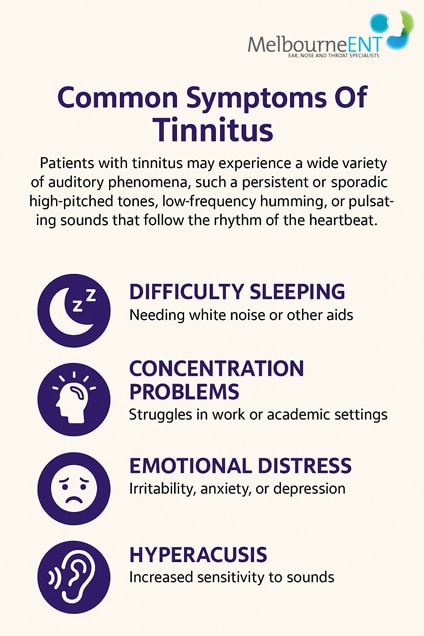
Patients with tinnitus may experience a wide variety of auditory phenomena, such as persistent or sporadic high-pitched tones, low-frequency humming, or pulsating sounds that follow the rhythm of the heartbeat. These sounds are often most noticeable in quiet environments and may worsen during times of stress or fatigue. Some individuals find that their tinnitus is louder upon waking or just before bedtime, making sleep difficult.
In addition to the auditory symptoms, tinnitus can lead to significant functional impairments. Difficulty sleeping is a common complaint, often requiring the use of white noise machines or other aids. Many individuals struggle with concentration, particularly in work or academic settings.
The continuous presence of intrusive noise can also result in emotional distress, irritability, and, in some cases, contribute to clinical anxiety or depression. For some, the condition is accompanied by increased sensitivity to everyday sounds, known as hyperacusis.
Who Is Affected By Tinnitus?
Tinnitus affects people of all ages and backgrounds, but it is particularly prevalent among older adults, especially those over the age of 50. Age-related hearing loss, or presbycusis, is a major contributing factor. Individuals with a history of prolonged exposure to loud environments – such as musicians, construction workers, or military personnel – are also at higher risk of developing tinnitus.
Certain medical conditions increase susceptibility to tinnitus. Chronic ear infections, earwax impaction, or structural issues like otosclerosis can all lead to the development of tinnitus. Neurological disorders, vascular anomalies, and temporomandibular joint (TMJ) dysfunction are also recognised contributors. Additionally, medications known as ototoxic drugs, including some antibiotics, chemotherapy agents, and high doses of aspirin, can trigger or worsen symptoms.
Environmental and lifestyle factors also play a role. High stress levels, sleep disturbances, poor nutrition, and the excessive intake of caffeine or alcohol can exacerbate the severity of tinnitus. Even otherwise healthy individuals may experience tinnitus during periods of emotional strain or physical illness.
Diagnosis And Evaluation At Melbourne ENT
At Melbourne ENT, our diagnostic process begins with a comprehensive and empathetic consultation, where we take the time to listen to your experience and gather detailed information about your symptoms. We assess the nature, duration, and triggers of your tinnitus, and explore any associated hearing loss, ear discomfort, or other ENT symptoms.
A physical examination follows, focusing on the ears, nose, throat, jaw, and cervical spine. We may identify contributing factors such as earwax impaction, Eustachian tube dysfunction, or TMJ abnormalities. Audiometric testing is routinely performed to evaluate hearing levels, detect sensorineural or conductive hearing loss diagnose the cause of the tinnitus and direct management. Additional diagnostic tools like tympanometry and acoustic reflex testing may be used to assess middle ear function.
In more complex cases, imaging such as MRI or CT scans is employed to rule out rare but serious causes like acoustic neuroma or vascular abnormalities. In some instances, blood tests may be ordered to detect systemic conditions such as thyroid dysfunction, iron deficiency, or autoimmune disorders that could be contributing to your tinnitus.
We also explore the psychological impact of tinnitus, screening for co-existing anxiety, depression, or insomnia. This holistic approach ensures we fully understand your condition and can develop the most effective treatment plan tailored to your needs.
Treatment Options For Tinnitus
Effective tinnitus management requires a personalised, multifaceted approach. Our goal is to alleviate the perception of tinnitus and reduce its impact on your quality of life.
We start by addressing any underlying conditions that may be contributing to your symptoms. This might involve clearing earwax, treating infections, managing TMJ dysfunction, or reviewing your current medications to identify any that might be ototoxic. In cases where high blood pressure or thyroid issues are involved, appropriate medical interventions are initiated.
For those with hearing loss, hearing aids equipped with tinnitus-masking technology can provide dual benefits – amplifying external sounds while masking the internal noise. Sound therapy using white noise generators, environmental recordings, or personalised audio programs can be used at home or in conjunction with counselling.
Cognitive Behavioural Therapy (CBT) is one of the most evidence-based treatments for tinnitus-related distress. It helps reframe negative thought patterns and teaches coping strategies to reduce the psychological burden of tinnitus. Tinnitus Retraining Therapy (TRT), which pairs directive counselling with sound therapy, is another proven method that aims to desensitise the auditory system over time.
Some patients benefit from mindfulness practices, yoga, or relaxation techniques that reduce stress and improve overall resilience. In rare cases, surgical intervention may be necessary, particularly when tinnitus is linked to a structural abnormality such as a tumour or chronic middle ear disease. Our multidisciplinary team ensures you have access to every appropriate option.
When Is Surgery Recommended?
Surgery for tinnitus is not common, but it can be highly effective in select cases. When tinnitus is caused by a physical condition that is amenable to surgical correction, such as a benign tumour like a vestibular schwannoma, surgery may not only eliminate the underlying cause but also improve hearing and reduce tinnitus symptoms.
Other surgical scenarios include chronic middle ear infections that have not responded to conservative treatment, otosclerosis requiring stapedectomy, or vascular anomalies that are compressing auditory structures. For patients with temporomandibular joint disorders contributing to tinnitus, surgical or dental interventions may be part of a broader treatment strategy.
At Melbourne ENT, we assess each patient on an individual basis. Surgery is never undertaken lightly and is only considered when there is a clear anatomical abnormality that aligns with the patient’s symptoms. Preoperative imaging and consultations with other specialists may be required to ensure the best outcomes.
Recovery And Prognosis
The recovery journey for tinnitus varies from person to person. Many patients notice significant relief with a combination of therapies, even if the tinnitus does not completely disappear. Early intervention tends to lead to better outcomes, especially when hearing loss is identified and managed promptly.
In the short term, therapies such as sound masking and cognitive behavioural therapy can reduce the emotional impact of tinnitus, helping patients regain a sense of control. Over time, with consistent use of hearing aids or sound therapy devices, the brain may begin to filter out the tinnitus signal, making it less intrusive.
Long-term prognosis depends on the cause of the tinnitus and the effectiveness of the treatment strategy. While complete resolution is not always possible, most patients experience a substantial improvement in their quality of life. Adopting positive lifestyle changes – such as protecting your ears from loud noises, improving sleep hygiene, and reducing caffeine or alcohol intake – can help sustain long-term benefits.
We provide continuous support through follow-up appointments, counselling, and adjustments to treatment plans as your condition evolves.
Risks Or Complications If Left Untreated
When left untreated, tinnitus can become more than just a nuisance. Persistent, unmanaged tinnitus can lead to progressive hearing loss, as the underlying condition causing the tinnitus may worsen over time. The constant internal noise can disrupt sleep, leading to chronic fatigue, irritability, and difficulty concentrating.
Over the long term, untreated tinnitus can affect mental health. Many patients experience increased levels of anxiety or depression, and the condition can contribute to social isolation, especially when it interferes with communication. In some cases, tinnitus may mask more serious underlying conditions that, if undiagnosed, could result in irreversible damage to the auditory or nervous systems.
Seeking early evaluation and treatment at Melbourne ENT helps reduce these risks and improves overall outcomes. By addressing tinnitus proactively, we help patients maintain their hearing, mental health, and overall well-being.
Concerned About Tinnitus?
You don’t have to live with persistent ear noise. If you’re struggling with ringing, buzzing, or unexplained sounds in your ears, it’s time to seek expert help. Book an appointment with one of our trusted specialists today to begin your path to relief and better hearing. Melbourne ENT is conveniently located in St Kilda East, Victoria. To learn more or arrange a consultation, you can call Dr Stephen Kleid on (03) 9038 1630 or Dr Simon Braham on (03) 9038 1311. For additional details about our services and approach to care, visit the website.
We welcome new patients and are here to support you through every step of your recovery.
FAQs About Tinnitus
Can tinnitus come and go or change in character over time?
Yes, tinnitus can fluctuate in pitch, intensity, and frequency. Some patients notice changes with stress levels, sleep patterns, or after exposure to loud environments. It may become more noticeable during quiet moments or at night.
Is tinnitus always linked to hearing loss, or can it occur with normal hearing?
While hearing loss is a common cause, many people with normal hearing also experience tinnitus. It can be associated with other conditions like jaw disorders, neck tension, or circulatory issues.
Can certain foods or drinks make tinnitus worse?
Some patients report that caffeine, alcohol, or salty foods intensify their symptoms. While not universally proven, keeping a symptom diary can help identify personal triggers.
Is it safe to use headphones or earbuds if I have tinnitus?
It depends on volume and duration. Listening at high volumes, especially with in-ear devices, may worsen tinnitus or contribute to hearing damage. Moderation and breaks are recommended.
Why does my tinnitus get louder when I’m tired or stressed?
Fatigue and stress can lower your ability to filter out background noise, making tinnitus more noticeable. Stress management strategies can be a valuable part of treatment.
Will my tinnitus get worse with age?
Tinnitus can become more noticeable as hearing changes with age, but with the right management, it doesn’t have to worsen. Regular hearing checks and early intervention are key.
Can treating jaw or neck tension help reduce tinnitus?
Yes, for some people, addressing temporomandibular joint (TMJ) dysfunction or cervical spine tension has led to a reduction in tinnitus. A tailored assessment helps identify if this applies to you.
Sources:
- Consensus Statements on Tinnitus Treatment: A Delphi Study by the Korean Tinnitus Study Group
https://jkms.org/pdf/10.3346/jkms.2025.40.e75 - Advances in Tinnitus and Hearing Disorders – PMC – PubMed Central
https://pmc.ncbi.nlm.nih.gov/articles/PMC12190872/ - Continuous Improvement of Chronic Tinnitus Through a 9-Month App-Based Cognitive Behavioral Therapy (CBT)
https://www.jmir.org/2025/1/e59575/ - Understanding Tinnitus Symptom Dynamics and Clinical Improvement Using Intensive Longitudinal Data
https://www.nature.com/articles/s41746-024-01425-w - Tinnitus – StatPearls – NCBI Bookshelf
https://www.ncbi.nlm.nih.gov/books/NBK430809/ - New Tinnitus Guideline Offers Recommendations to Improve Patient Care – JAMA Otolaryngology–Head & Neck Surgery
https://jamanetwork.com/journals/jama/fullarticle/2833096 - Systematic Review and Meta-Analysis of the Correlation Between Tinnitus and Mental Health
https://www.sciencedirect.com/science/article/pii/S0196070925000146
Why Choose Your Surgeon
Our team brings unmatched ENT expertise and a compassionate approach to patient care.
Dr Stephen Kleid brings over 40 years of experience in ENT and head and neck surgery. As a senior surgeon at the Peter MacCallum Cancer Centre, he is highly regarded for his work in managing complex ear conditions, skull base surgeries, and hearing loss. He is also actively involved in research related to cochlear implants and neuro-otology, ensuring his patients benefit from the latest medical advancements.
Dr Simon Braham is dual-trained in ENT surgery and advanced reconstructive techniques, making him uniquely positioned to address both functional and aesthetic aspects of ENT disorders. With extensive experience in paediatric and adult ENT care, Dr Braham holds appointments at the Royal Victorian Eye and Ear Hospital and Masada Private Hospital. His approach is thorough, caring, and tailored to each patient’s specific needs.
Both surgeons are Fellows of the Royal Australasian College of Surgeons (FRACS), reflecting the highest standards in surgical training and clinical excellence. At Melbourne ENT, we combine leading expertise with a personalised approach to care, ensuring every patient receives the attention, information, and treatment they deserve.
Choose Melbourne ENT for experienced, empathetic, and thorough care in managing your tinnitus and hearing health.
Further Reading
- Read about Melbourne ENT’s Sudden Hearing Loss – An Otologic Emergency In Melbourne
- Read about Melbourne ENT’s Ear Concerns
- Read about Melbourne ENT’s Ear Ache
Why Choose Dr Kleid ?

Dr Stephen Kleid,
Melbourne ENT Surgeon
MED0001052799
Dr Stephen Kleid is an experienced ENT Surgeon (Otolaryngologist) based in Melbourne with a passion for Septo-rhinoplasty, Septoplasty and a strong interest in Rhinoplasty Revision.
Qualifications
- AHPRA (Medical Board)
- MB, BS; FRACS (Fellow of the Royal Australasian College of Surgeons)
- AAFPS – Member of the Australasian Academy of Facial Plastic Surgery
- AAFPRS – (International Member of the American Academy of Facial Plastic and Reconstructive Surgeons)
Dr Kleid’s Procedures
Why Choose Dr Braham ?
Dr Simon Braham,
Melbourne ENT Surgeon
MED0001144757
Dr Simon Braham MBBS (Hons) FRACS is an experienced Ear, Nose and Throat ENT Surgeon (Otolaryngologist) based in Melbourne, performing tonsil, grommet and sinus surgery for children & adults. He helps patients with breathing issues, snoring concerns and sleep disturbances.
Dr Braham’s Procedures
How can we help?
The Melbourne ENT Team takes pleasure in assisting you with any questions when considering a plastic surgery procedure. Please call the St Kilda East clinic in Melbourne between 9am – 5 pm on Weekdays.
What Next?

Want more information about your Procedure?
- Please read our website and blogs to find out more about your procedure and concerns
- For more information about pricing and payment methods, please visit our page on Surgery Payment Options.
- Talk to our Patient Care Team from 9 am to 5 pm Monday to Friday

What to Bring to Your Consultation
- We encourage you to bring a friend or family member to accompany you, as they can provide an extra perspective and support throughout the process.
- It is important to take thorough notes and carefully review all the documents provided to you.

How to Book a Consultation
- A valid medical referral from your GP or Specialist is necessary to see a surgeon for a consultation.
- Check our pricing page
- Please contact us to book your consultation.